What does Daniel 7:9 mean?
"I beheld till the thrones were cast down, and the Ancient of days did sit, whose garment was white as snow, and the hair of his head like the pure wool: his throne was like the fiery flame, and his wheels as burning fire." - Daniel 7:9
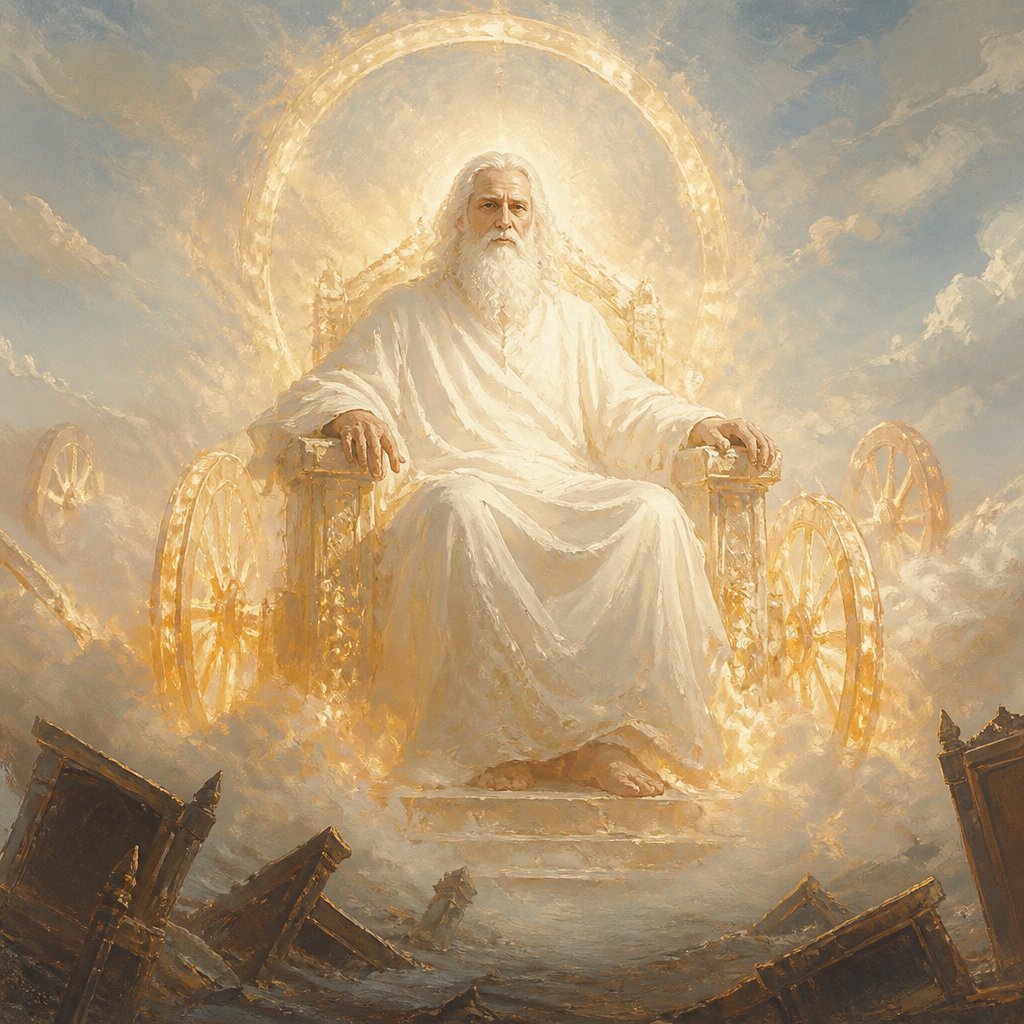
Daniel 7:9 in the KJV reads, “I beheld till the thrones were cast down, and the Ancient of days did sit, whose garment was white as snow, and the hair of his head like the pure wool: his throne was like the fiery flame, and his wheels as burning fire.” This verse belongs to Daniel’s night vision in which successive world powers, pictured earlier in the chapter as four great beasts rising from the sea, move toward a climactic moment when God intervenes openly and judicially. After the restless, violent motion of earthly kingdoms, the scene abruptly shifts from earth to heaven. The vision turns from political upheaval to divine court, from beasts to thrones, from the noise of conquest to the still authority of judgment. The verse is significant because it marks the transition from human rule to God’s rule being publicly displayed as the final and decisive authority over history.
When Daniel says, “I beheld till the thrones were cast down,” the language is the courtroom language of setting a tribunal. In the KJV phrasing, “cast down” can sound like overthrow, but within the scene it functions as the arranging or placing of thrones for judgment, signaling that the time for review, verdict, and sentence has arrived. It emphasizes that the rise and reign of the beasts are not the last word; their dominion is subject to a higher court. Multiple “thrones” suggests an ordered, heavenly administration in which judgment is conducted with full authority, not in haste or confusion. The setting of thrones underlines that history is moral as well as political; empires are weighed, not merely watched.
“The Ancient of days did sit” introduces God in a title that stresses eternality and supremacy. “Ancient” points to one who precedes all kingdoms and outlasts them; “of days” connects his being to all time, as the one who owns it and measures it. That he “did sit” is not casual posture but enthronement, the calm, settled reign of the sovereign Judge. Earthly rulers rise and fall; the Ancient of days sits. The vision communicates that God’s rule is not reactive. He is not scrambling to answer the chaos of the beasts; he presides over it and brings it to account at the appointed time.
The description that follows is rich in symbolism meant to reveal God’s character in relation to judgment. “Whose garment was white as snow” evokes purity, righteousness, and the untainted justice of the Judge. White in this setting does not merely indicate brightness but moral perfection: the verdicts of this court are not corrupted, bribed, or biased. “The hair of his head like the pure wool” reinforces the same truth with a different image, combining the idea of venerable antiquity with spotless holiness. It is not age in the sense of weakness, but age in the sense of unmatched wisdom, permanence, and majesty. The point is that the one judging the nations is infinitely qualified, neither newly enthroned nor uncertain, but eternally fit to rule.
“His throne was like the fiery flame, and his wheels as burning fire” introduces the theme of divine holiness as consuming power. Fire in Scripture frequently signifies God’s purity, his presence, and his active judgment. A throne “like the fiery flame” portrays judgment as not merely a legal declaration but a holy force that exposes and burns away evil. It conveys awe and danger to all that is unclean. The mention of “wheels” is striking, because thrones do not ordinarily have wheels; the imagery suggests a throne-chariot, emphasizing that God’s judgment is not confined or immobile. The Judge is able to move in sovereignty, executing his will wherever it must be executed. The “burning fire” attached to the wheels intensifies the thought that wherever this throne goes, holiness and judgment go with it. Nothing can escape by distance, delay, or disguise.
In context, Daniel 7 is building toward the humbling of the final blasphemous power and the giving of lasting dominion to the Son of man. Daniel 7:9 is the opening of that courtroom sequence: it announces that the time has come for God to address the arrogant dominion of the beasts, especially the one that speaks great words. The verse therefore carries the theme of accountability. It proclaims that even when evil appears entrenched and unstoppable, there is a session of judgment above the present turmoil, and it is presided over by one whose purity is absolute, whose authority is ultimate, and whose power to execute judgment is irresistible.
The significance of Daniel 7:9 is that it anchors prophecy in theology: the future is not merely the outcome of competing empires but the outworking of God’s righteous rule. The beasts rise from the sea of nations, but the final scene belongs to the throne of heaven. In the KJV’s vivid imagery, Daniel is made to see that history is moving toward a moral reckoning before the Ancient of days, whose whiteness declares perfect justice and whose fiery throne declares that judgment is real, active, and holy.
Have questions about Daniel 7:9?
Dive deeper into this scripture with Bible Chat — an AI-powered tool for exploring God's Word through conversation. Ask questions, get context, and grow in your understanding of the Bible.
Get Our Apps


Daniel 7:9 Artwork

Daniel 7: 9-10

Daniel 7:9-10

Daniel 7:9-10

Daniel 7:9-10

Daniel 7:9-10 – "His clothing was as white as snow; the hair of his head was white like wool."

COSMIC COURTROOM OF FIRE DANIEL 7:9-10

Daniel 7:9-10 – "His clothing was as white as snow; the hair of his head was white like wool."
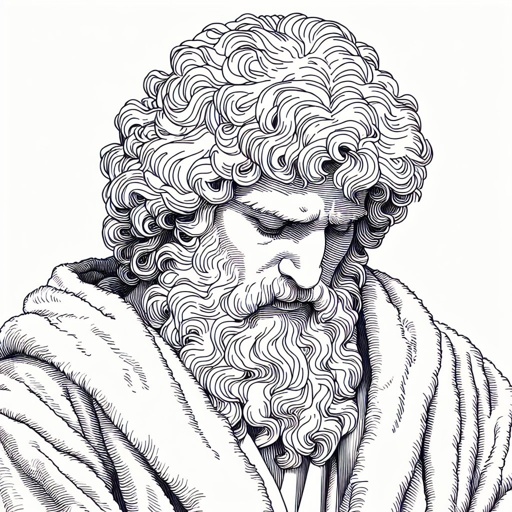
Daniel 7:9-10 – "His clothing was as white as snow; the hair of his head was white like wool."

Daniel 7:9-10 – "His clothing was as white as snow; the hair of his head was white like wool."
!["I beheld till the thrones were cast down, and the Ancient of days did sit, whose garment [was] white as snow, and the hair of his head like the pure wool: his throne [was like] the fiery flame, [and] his wheels [as] burning fire." - Daniel 7:9](https://media.bible.art/bb8f9537-43a4-449b-a5dd-c3e7cea670e1-thumbnail.jpg)
"I beheld till the thrones were cast down, and the Ancient of days did sit, whose garment [was] white as snow, and the hair of his head like the pure wool: his throne [was like] the fiery flame, [and] his wheels [as] burning fire." - Daniel 7:9

Daniel 7:9 - "¶ I beheld till the thrones were cast down, and the Ancient of days did sit, whose garment was white as snow, and the hair of his head like the pure wool: his throne was like the fiery flame, and his wheels as burning fire."
"¶ I beheld till the thrones were cast down, and the Ancient of days did sit, whose garment was white as snow, and the hair of his head like the pure wool: his throne was like the fiery flame, and his wheels as burning fire." - Daniel 7:9

Daniel 1:9 - "Now God had brought Daniel into favour and tender love with the prince of the eunuchs."

Daniel 1:9

Daniel 12:9 - "And he said, Go thy way, Daniel: for the words are closed up and sealed till the time of the end."

Daniel 7:5
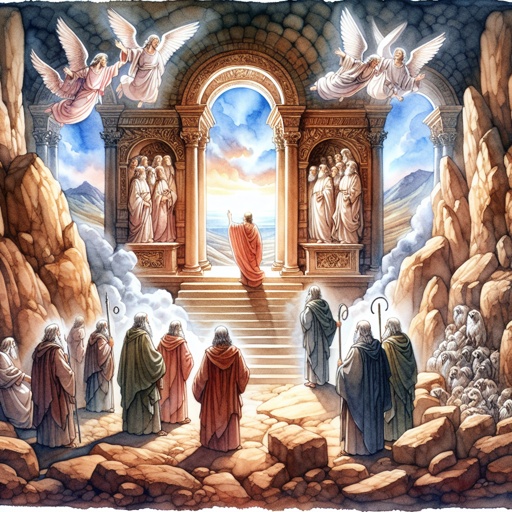
Daniel 7:8

Daniel 7:5

Daniel 7:4

Daniel 7:5

Daniel 7:15 - "¶ I Daniel was grieved in my spirit in the midst of my body, and the visions of my head troubled me."

Daniel 7:2 - "Daniel spake and said, I saw in my vision by night, and, behold, the four winds of the heaven strove upon the great sea."

Daniel 9:22 - "And he informed me, and talked with me, and said, O Daniel, I am now come forth to give thee skill and understanding."

Daniel 9:9 - "To the Lord our God belong mercies and forgivenesses, though we have rebelled against him;"
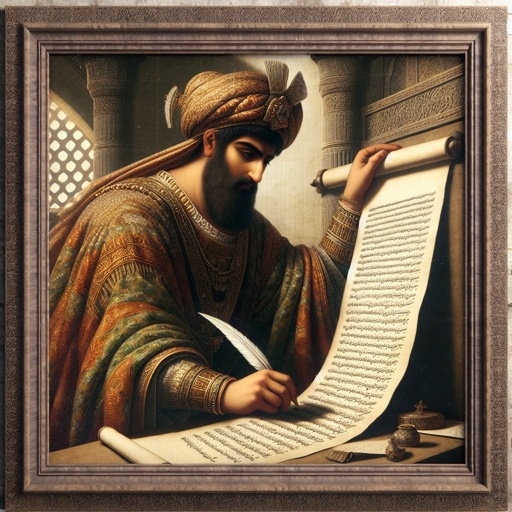
Daniel 6:9 - "Wherefore king Darius signed the writing and the decree."

Daniel 9:7 - "O Lord, righteousness belongeth unto thee, but unto us confusion of faces, as at this day; to the men of Judah, and to the inhabitants of Jerusalem, and unto all Israel, that are near, and that are far off, through all the countries whither thou hast driven them, because of their trespass that they have trespassed against thee."

Daniel 1:7 - "Unto whom the prince of the eunuchs gave names: for he gave unto Daniel the name of Belteshazzar; and to Hananiah, of Shadrach; and to Mishael, of Meshach; and to Azariah, of Abed-nego."

Daniel 7:28 - "Hitherto is the end of the matter. As for me Daniel, my cogitations much troubled me, and my countenance changed in me: but I kept the matter in my heart."

Daniel 10:7 - "And I Daniel alone saw the vision: for the men that were with me saw not the vision; but a great quaking fell upon them, so that they fled to hide themselves."

Daniel 7:1 - "In the first year of Belshazzar king of Babylon Daniel had a dream and visions of his head upon his bed: then he wrote the dream, and told the sum of the matters."