What does Deuteronomy 10:17-19 mean?
“For the LORD your God is God of gods, and Lord of lords, a great God, a mighty, and a terrible, which regardeth not persons, nor taketh reward: He doth execute the judgment of the fatherless and widow, and loveth the stranger, in giving him food and raiment. Love ye therefore the stranger: for ye were strangers in the land of Egypt.” — Deuteronomy 10:17-19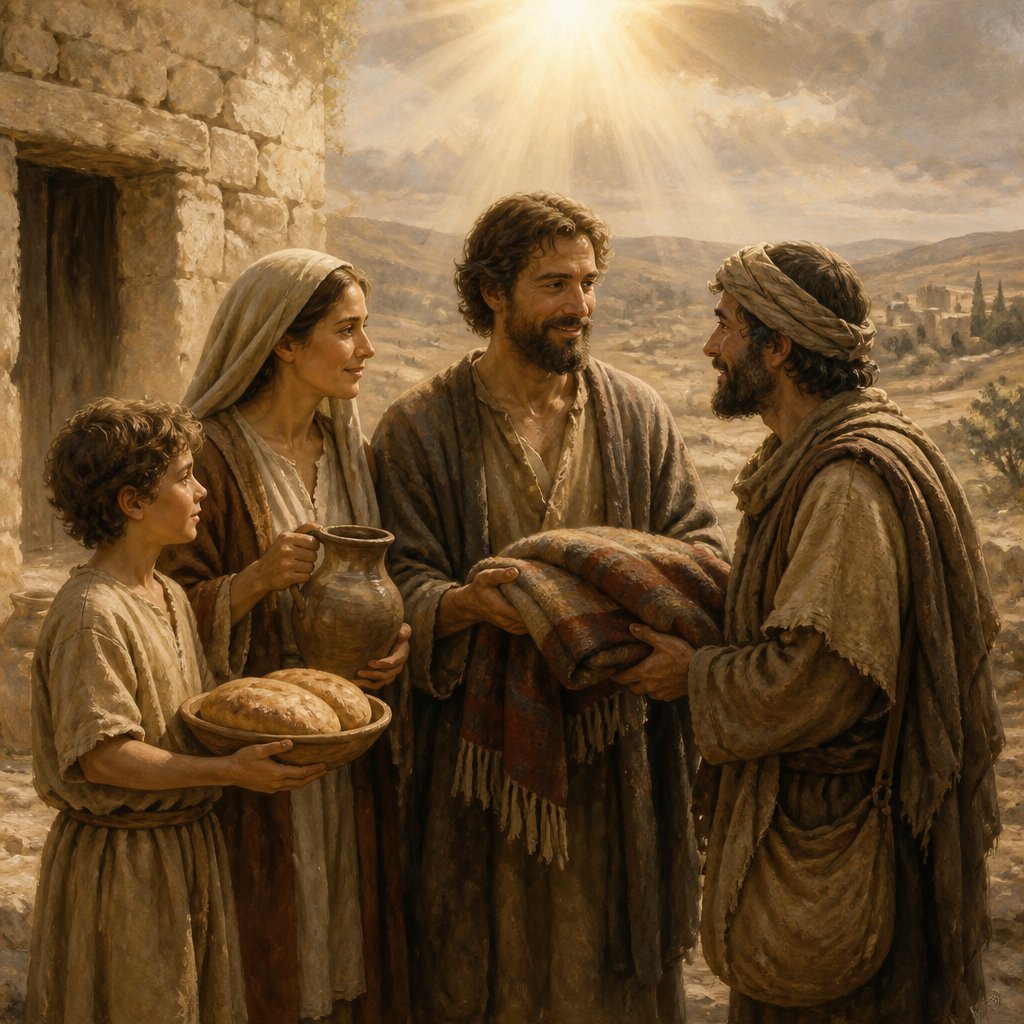
Deuteronomy 10:17-19 from the King James Version of the Bible reads, "For the Lord your God is God of gods, and Lord of lords, a great God, a mighty, and a terrible, which regarded not persons, nor taketh reward: He doth execute the judgment of the fatherless and widow, and loveth the stranger, in giving him food and raiment. Love ye therefore the stranger: for ye were strangers in the land of Egypt."
This passage from the book of Deuteronomy carries significant meaning and holds important commentary on the nature of God and His expectations for His people. In order to fully understand the themes, context, and symbolism of this verse, it is important to first acknowledge its historical and cultural background.
The book of Deuteronomy is part of the Hebrew Bible, specifically the Torah, and is considered one of the central texts of Judaism. It is believed to have been written by Moses and contains a series of speeches delivered to the Israelites as they prepared to enter the Promised Land. Deuteronomy addresses themes of covenant, obedience, and the responsibilities of God's chosen people.
The passage itself begins with a powerful declaration of the greatness and sovereignty of God. The Lord is described as "God of gods, and Lord of lords," emphasizing His supreme authority and power over all other gods and rulers. This serves as a reminder to the Israelites of the majesty and awe-inspiring nature of their God, and the need to honor and revere Him above all else.
The verse also highlights the impartial and just nature of God. It states that He "regardeth not persons, nor taketh reward," indicating that God does not show favoritism or accept bribes. This principle underscores the inherent fairness and righteousness of God, and serves as a foundation for His expectations of justice and mercy among His people.
The following verses further emphasize God's concern for the vulnerable and marginalized members of society. It mentions His execution of judgment for the fatherless and widow, as well as His love and provision for the stranger. In an ancient society where these groups were often marginalized and oppressed, God's care for them reflects His compassion and concern for the downtrodden.
The passage then concludes with a powerful exhortation for the Israelites to "love the stranger," drawing upon their own experience as strangers in the land of Egypt. This reminder serves as a call to empathy and compassion, urging the Israelites to embody the same benevolence and kindness that God has shown to them.
From a thematic standpoint, this passage encompasses several key themes that are central to the message of the Bible. It emphasizes the sovereignty and righteousness of God, His concern for justice and mercy, and His expectation for His people to reflect these qualities in their own lives. Additionally, it underscores the importance of empathy and compassion for the vulnerable and marginalized members of society, echoing the broader biblical theme of social justice and care for the oppressed.
In terms of symbolism, the language used to describe God as "God of gods, and Lord of lords" conveys His unparalleled supremacy and authority. This imagery serves to elevate the divine nature of God and emphasize His unique position as the ultimate ruler and highest power in the universe.
The mention of the fatherless, widow, and stranger as recipients of God's care represents the broader biblical motif of God as a defender of the weak and marginalized. These groups symbolize the disenfranchised and oppressed members of society, and God's concern for them serves as a powerful symbol of His compassion and commitment to justice.
In conclusion, Deuteronomy 10:17-19 from the King James Version of the Bible carries deep and rich meaning, reflecting the themes of God's sovereignty, justice, and compassion, as well as His expectations for His people to embody these qualities in their own lives. It serves as a poignant reminder of the divine principles that underpin the biblical message, and continues to challenge and inspire believers to this day.
Get our apps


Artwork for Deuteronomy 10:17-19

Deuteronomy 10:17-19 - "For the Lord your God is God of gods and Lord of lords, the great God, mighty and awesome, who shows no partiality and accepts no bribes. He defends the cause of the fatherless and the widow, and loves the foreigner residing among you, giving them food and clothing. And you are to love those who are foreigners, for you yourselves were foreigners in Egypt."
"For the Lord your God is God of gods and Lord of lords, the great God, mighty and awesome, who shows no partiality and accepts no bribes. He defends the cause of the fatherless and the widow, and loves the foreigner residing among you, giving them food and clothing. And you are to love those who are foreigners, for you yourselves were foreigners in Egypt." - Deuteronomy 10:17-19

Luke 10:17-19

Luke 10:17-19

Deuteronomy 10:19 - "Love ye therefore the stranger: for ye were strangers in the land of Egypt."

Deuteronomy 19:17 - "Then both the men, between whom the controversy is, shall stand before the LORD, before the priests and the judges, which shall be in those days;"

Deuteronomy 10:17 - "For the LORD your God is God of gods, and Lord of lords, a great God, a mighty, and a terrible, which regardeth not persons, nor taketh reward:"

Deuteronomy 19:10 - "That innocent blood be not shed in thy land, which the LORD thy God giveth thee for an inheritance, and so blood be upon thee."

Deuteronomy 17:19 - "And it shall be with him, and he shall read therein all the days of his life: that he may learn to fear the LORD his God, to keep all the words of this law and these statutes, to do them:"

"Love ye therefore the stranger: for ye were strangers in the land of Egypt." - Deuteronomy 10:19

Deuteronomy 10:18-19 - "He doth execute the judgment of the fatherless and widow, and loveth the stranger, in giving him food and raiment. Love ye therefore the stranger: for ye were strangers in the land of Egypt."

Deuteronomy 17:10 - "And thou shalt do according to the sentence, which they of that place which the LORD shall choose shall shew thee; and thou shalt observe to do according to all that they inform thee:"
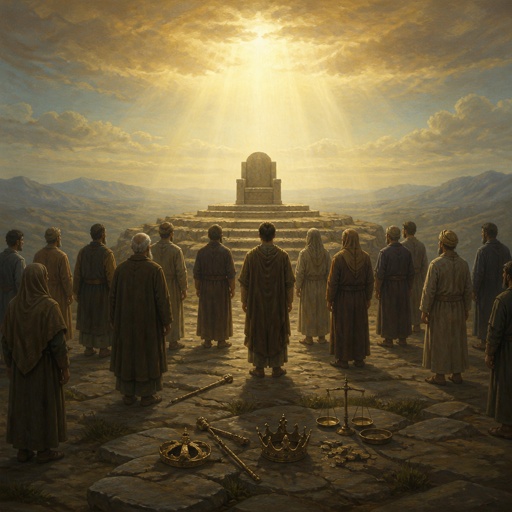
"For the LORD your God is God of gods, and Lord of lords, a great God, a mighty, and a terrible, which regardeth not persons, nor taketh reward:" - Deuteronomy 10:17

Deuteronomy 30:19:

Deuteronomy 5:17 - "Thou shalt not kill."

"Then both the men, between whom the controversy is, shall stand before the LORD, before the priests and the judges, which shall be in those days;" - Deuteronomy 19:17

Deuteronomy 14:17 - "And the pelican, and the gier eagle, and the cormorant,"

Deuteronomy 5:19 - "Neither shalt thou steal."

Deuteronomy 2:17 - "That the LORD spake unto me, saying,"

"That innocent blood be not shed in thy land, which the LORD thy God giveth thee for an inheritance, and so blood be upon thee." - Deuteronomy 19:10

Deuteronomy 28:17 - "Cursed shall be thy basket and thy store."

Deuteronomy 26:4-10

Deuteronomy 26:4-10

"Thou shalt not kill." - Deuteronomy 5:17

Genesis 17-19

Deuteronomy 23:17 - "¶ There shall be no whore of the daughters of Israel, nor a sodomite of the sons of Israel."

Genesis 19-17

Deuteronomy 17:13 - "And all the people shall hear, and fear, and do no more presumptuously."

Deuteronomy 17:17 - "Neither shall he multiply wives to himself, that his heart turn not away: neither shall he greatly multiply to himself silver and gold."

Deuteronomy 14:19 - "And every creeping thing that flieth is unclean unto you: they shall not be eaten."