What does Deuteronomy 10:5 mean?
“And I turned myself and came down from the mount, and put the tables in the ark which I had made; and there they be, as the LORD commanded me.” — Deuteronomy 10:5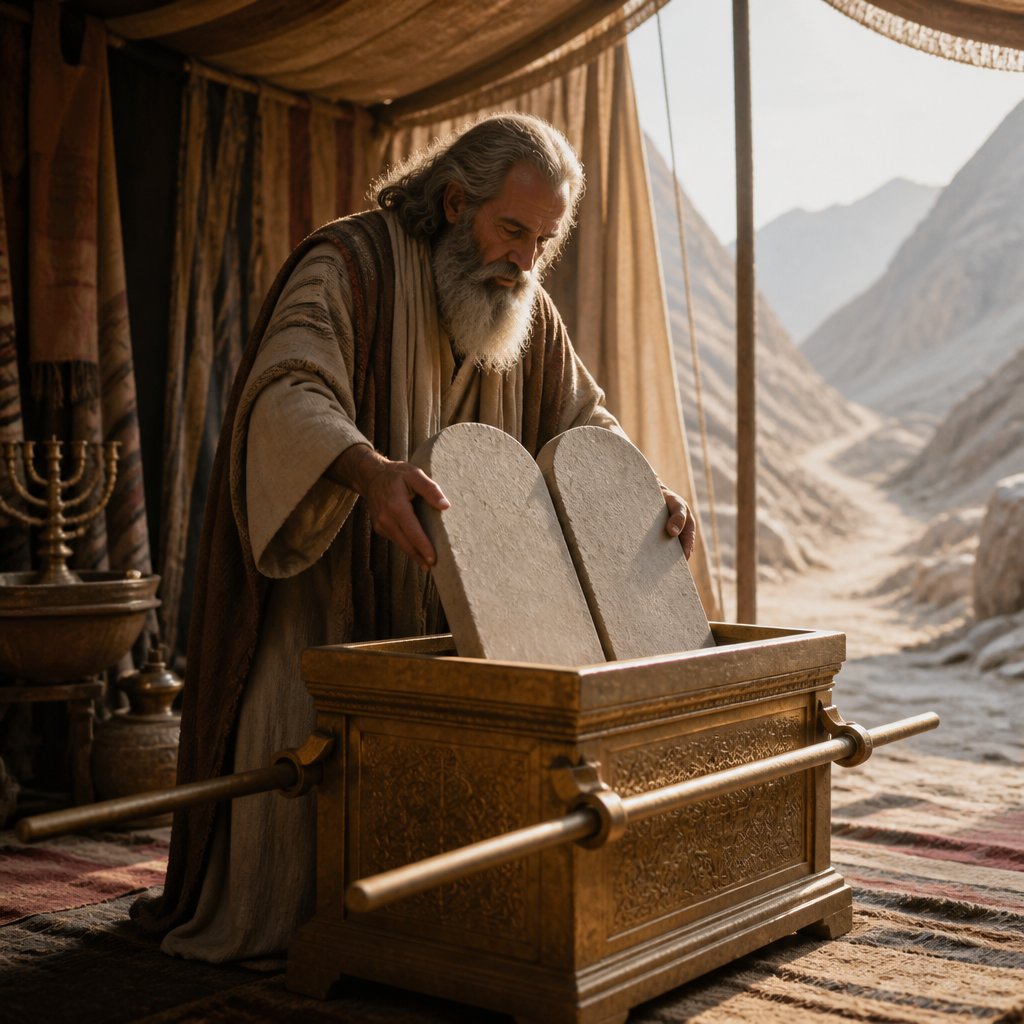
Deuteronomy 10:5 in the King James Version of the Bible reads, "Then I turned, and came down from the mount, and put the tables in the ark which I had made; and there they be, as the LORD commanded me." This verse is found within the context of the Israelites' journey through the wilderness and specifically describes the moment when Moses came down from Mount Sinai after receiving the Ten Commandments from God. This event holds significant importance within the larger narrative of the Israelites' relationship with God and their establishment as a chosen people.
The verse is part of the larger narrative in the book of Deuteronomy, which is a recapitulation of the laws and the covenant that God made with the Israelites. Deuteronomy includes Moses’ summary of the laws, teachings, and events that had occurred prior to the Israelites’ impending entry into the Promised Land. The passage serves as a reminder and reinforcement of the covenant between God and his chosen people, which is an ongoing theme throughout the book of Deuteronomy.
The verse also holds symbolic and theological significance. It serves as a reminder of God’s faithfulness and his provision for the Israelites. The tablets of the Ten Commandments are placed in the ark, symbolizing the holiness and reverence of God's law. The ark itself is a powerful symbol of God’s presence among his people and the covenant relationship between God and the Israelites.
The placement of the tablets in the ark also serves as a visual representation of the Israelites' commitment to following God's commandments. By placing the tablets in the ark as instructed by the Lord, they are demonstrating their obedience and dedication to the covenant. This act emphasizes the importance of upholding the commandments as a central aspect of their identity and relationship with God.
The verse also highlights the importance of obedience and following divine commands. Moses' actions reflect his obedience to God as he faithfully carries out the Lord's instructions. In doing so, he sets an example for the Israelites to follow and demonstrates the value of following God's will. This theme of obedience and submission to God's commands is prevalent throughout the Bible, and this verse serves as a reminder of this fundamental aspect of faith.
Furthermore, the verse emphasizes the significance of God's presence as represented by the ark. The ark is a tangible symbol of God's dwelling among his people, and the placement of the tablets within it signifies the central role of God's law and authority in the lives of the Israelites. This act also serves as a foreshadowing of the coming of Christ, who is seen as the ultimate embodiment of God's presence among his people.
In conclusion, Deuteronomy 10:5 holds significant meaning within the larger context of the Israelites' journey and the establishment of their covenant with God. It symbolizes the obedience, faithfulness, and commitment of the Israelites to God's commandments and serves as a powerful reminder of the central role of God's law in their lives. This verse carries theological, symbolic, and moral significance, and it continues to be a meaningful and instructive passage for believers today.
Get our apps


Artwork for Deuteronomy 10:5

Deuteronomy 10:5 - "And I turned myself and came down from the mount, and put the tables in the ark which I had made; and there they be, as the LORD commanded me."

"And I turned myself and came down from the mount, and put the tables in the ark which I had made; and there they be, as the LORD commanded me." - Deuteronomy 10:5

Deuteronomy 5:10 - "And shewing mercy unto thousands of them that love me and keep my commandments."

"And shewing mercy unto thousands of them that love me and keep my commandments." - Deuteronomy 5:10
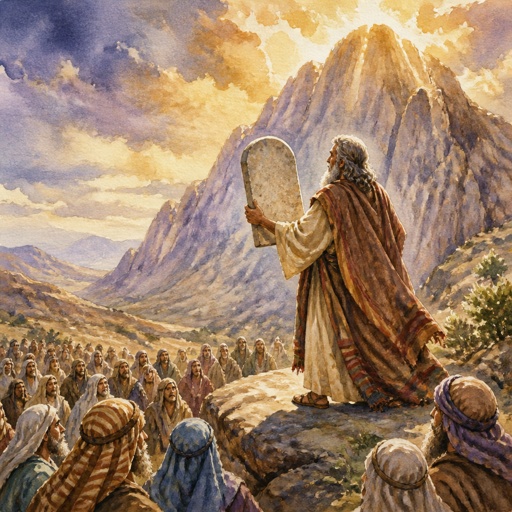
Deuteronomy 5 pictures

Deuteronomy 26:4-10

Deuteronomy 26:4-10

Deuteronomy 5:17 - "Thou shalt not kill."

Deuteronomy 34:5-6

Deuteronomy 5:19 - "Neither shalt thou steal."

Deuteronomy 5:18 - "Neither shalt thou commit adultery."

Deuteronomy 22:10 - "¶ Thou shalt not plow with an ox and an ass together."

Deuteronomy 28:5 - "Blessed shall be thy basket and thy store."

Deuteronomy 10:16 - "Circumcise therefore the foreskin of your heart, and be no more stiffnecked."

Deuteronomy 5:2 - "The LORD our God made a covenant with us in Horeb."

Deuteronomy 5:30 - "Go say to them, Get you into your tents again."

"Thou shalt not kill." - Deuteronomy 5:17

Deuteronomy 5:7 - "Thou shalt have none other gods before me."

Deuteronomy 10:19 - "Love ye therefore the stranger: for ye were strangers in the land of Egypt."

Deuteronomy 5:13 - "Six days thou shalt labour, and do all thy work:"

Deuteronomy 1:5 - "On this side Jordan, in the land of Moab, began Moses to declare this law, saying,"

Hebrews 10:5-10

Hebrews 10:5-10

Deuteronomy 5:5 - "(I stood between the LORD and you at that time, to shew you the word of the LORD: for ye were afraid by reason of the fire, and went not up into the mount;) saying,"

Deuteronomy 14:10 - "And whatsoever hath not fins and scales ye may not eat; it is unclean unto you."

Deuteronomy 2:10 - "The Emims dwelt therein in times past, a people great, and many, and tall, as the Anakims;"

Deuteronomy 5:20 - "Neither shalt thou bear false witness against thy neighbour."

Deuteronomy 5:4 - "The LORD talked with you face to face in the mount out of the midst of the fire,"

Deuteronomy 32:5 - "They have corrupted themselves, their spot is not the spot of his children: they are a perverse and crooked generation."

Deuteronomy 14:5 - "The hart, and the roebuck, and the fallow deer, and the wild goat, and the pygarg, and the wild ox, and the chamois."