What does Deuteronomy 11:29 mean?
“And it shall come to pass, when the LORD thy God hath brought thee in unto the land whither thou goest to possess it, that thou shalt put the blessing upon mount Gerizim, and the curse upon mount Ebal.” — Deuteronomy 11:29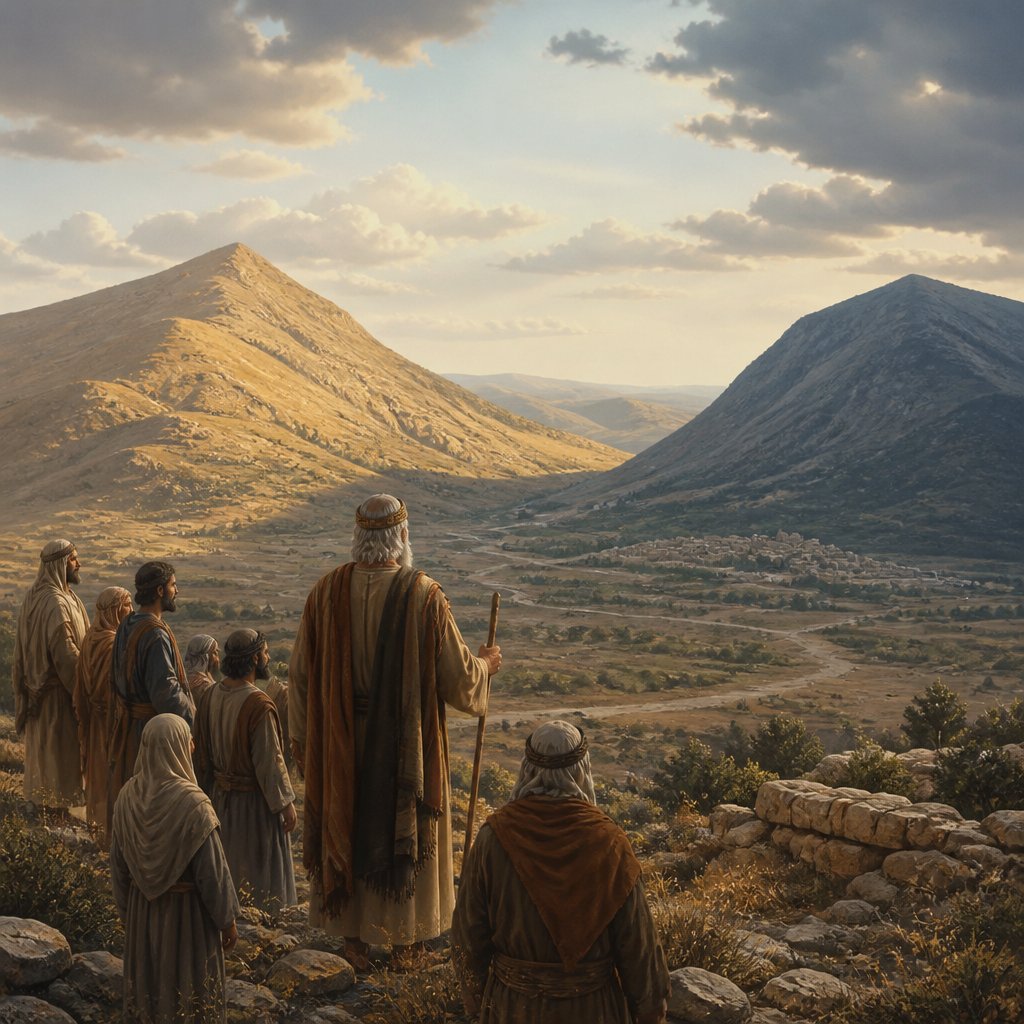
Deuteronomy 11:29 (KJV) says, "And it shall come to pass, when the Lord thy God hath brought thee in unto the land whither thou goest to possess it, that thou shalt put the blessing upon mount Gerizim, and the curse upon mount Ebal." This verse, like many in the Old Testament, is a passage that addresses the importance of obedience and faithfulness to God's commandments. In this verse, the Israelites are given specific instructions on what to do when they enter the Promised Land.
The context of this verse is important for understanding its significance. The book of Deuteronomy is essentially a series of speeches given by Moses to the Israelites as they prepare to enter the Promised Land. Moses reiterates the laws and commandments that God had given to the Israelites earlier and emphasizes the importance of obedience and faithfulness. In this specific verse, Moses is instructing the Israelites to carry out a ritual once they have entered the land, which is to place a blessing on Mount Gerizim and a curse on Mount Ebal.
The themes that emerge from this verse are obedience, righteousness, and the consequences of disobedience. Throughout the Old Testament, it is clear that God's favor and blessing are contingent upon the Israelites' obedience to His commandments. By placing the blessing on Mount Gerizim, the Israelites are symbolically aligning themselves with God's promises and blessings, while placing the curse on Mount Ebal symbolizes the consequences of disobedience and rebellion against God.
Symbolism is also an important aspect of this verse. The mountains, Gerizim and Ebal, are symbolic of the choices that the Israelites have before them. By placing the blessing on one mountain and the curse on the other, the Israelites are making a conscious decision to follow God's commandments and receive His blessings, or to rebel and face the consequences of their actions. The act of placing the blessing and curse on these mountains serves as a visual reminder of the choices that the Israelites have before them as they enter the Promised Land.
This verse also serves as a foreshadowing of the future blessings and curses that the Israelites will experience based on their obedience or disobedience to God. Throughout the Old Testament, we see the cycle of the Israelites' faithfulness and unfaithfulness to God, and the corresponding blessings and curses that result from their actions. This verse thus sets the stage for the overarching theme of obedience and its consequences that will play out in the Israelites' history.
In conclusion, Deuteronomy 11:29 is a verse that emphasizes the importance of obedience and faithfulness to God's commandments. Through its detailed instructions for placing a blessing on Mount Gerizim and a curse on Mount Ebal, this verse symbolizes the choices that the Israelites have before them as they enter the Promised Land, and the consequences of their obedience or disobedience. This verse serves as a reminder of the overarching theme of obedience and its consequences that permeate the Old Testament narrative.
Get our apps


Artwork for Deuteronomy 11:29

Deuteronomy 11:29 - "And it shall come to pass, when the LORD thy God hath brought thee in unto the land whither thou goest to possess it, that thou shalt put the blessing upon mount Gerizim, and the curse upon mount Ebal."
"And it shall come to pass, when the LORD thy God hath brought thee in unto the land whither thou goest to possess it, that thou shalt put the blessing upon mount Gerizim, and the curse upon mount Ebal." - Deuteronomy 11:29

Deuteronomy 29:11 - "Your little ones, your wives, and thy stranger that is in thy camp, from the hewer of thy wood unto the drawer of thy water:"

Deuteronomy 1:29 - "Then I said unto you, Dread not, neither be afraid of them."

Deuteronomy 3:29 - "So we abode in the valley over against Beth-peor."

Deuteronomy 29:14 - "Neither with you only do I make this covenant and this oath;"

Deuteronomy 32:29 - "O that they were wise, that they understood this, that they would consider their latter end!"
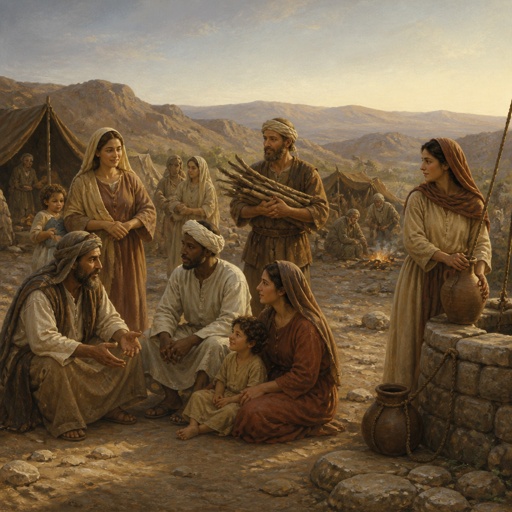
"Your little ones, your wives, and thy stranger that is in thy camp, from the hewer of thy wood unto the drawer of thy water:" - Deuteronomy 29:11

Jeremiah 29:11-13

Jeremiah 29:11-13

Jeremiah 29:11-13

Jeremiah 29:11-13

Jeremiah 29:11

Deuteronomy 29:29 - "The secret things belong unto the LORD our God: but those things which are revealed belong unto us and to our children for ever, that we may do all the words of this law."

Deuteronomy 29:27 - "And the anger of the LORD was kindled against this land, to bring upon it all the curses that are written in this book:"

Deuteronomy 29:3 - "The great temptations which thine eyes have seen, the signs, and those great miracles:"

Jeremiah 29:11

Jeremiah 29:11

Jeremiah 29:11

Deuteronomy 29:8 - "And we took their land, and gave it for an inheritance unto the Reubenites, and to the Gadites, and to the half tribe of Manasseh."

Deuteronomy 11:23

Deuteronomy 29:9 - "Keep therefore the words of this covenant, and do them, that ye may prosper in all that ye do."

Deuteronomy 29:4 - "Yet the LORD hath not given you an heart to perceive, and eyes to see, and ears to hear, unto this day."

Deuteronomy 29:17 - "And ye have seen their abominations, and their idols, wood and stone, silver and gold, which were among them:)"

Haggai 2:9

Matthew 2:9

Deuteronomy 29:28 - "And the LORD rooted them out of their land in anger, and in wrath, and in great indignation, and cast them into another land, as it is this day."

Nehemiah 11:29 - "And at En-rimmon, and at Zareah, and at Jarmuth,"

Deuteronomy 29:15 - "But with him that standeth here with us this day before the LORD our God, and also with him that is not here with us this day:"

Deuteronomy 11:11 - "But the land, whither ye go to possess it, is a land of hills and valleys, and drinketh water of the rain of heaven:"