What does Deuteronomy 12:15 mean?
“Notwithstanding thou mayest kill and eat flesh in all thy gates, whatsoever thy soul lusteth after, according to the blessing of the LORD thy God which he hath given thee: the unclean and the clean may eat thereof, as of the roebuck, and as of the hart.” — Deuteronomy 12:15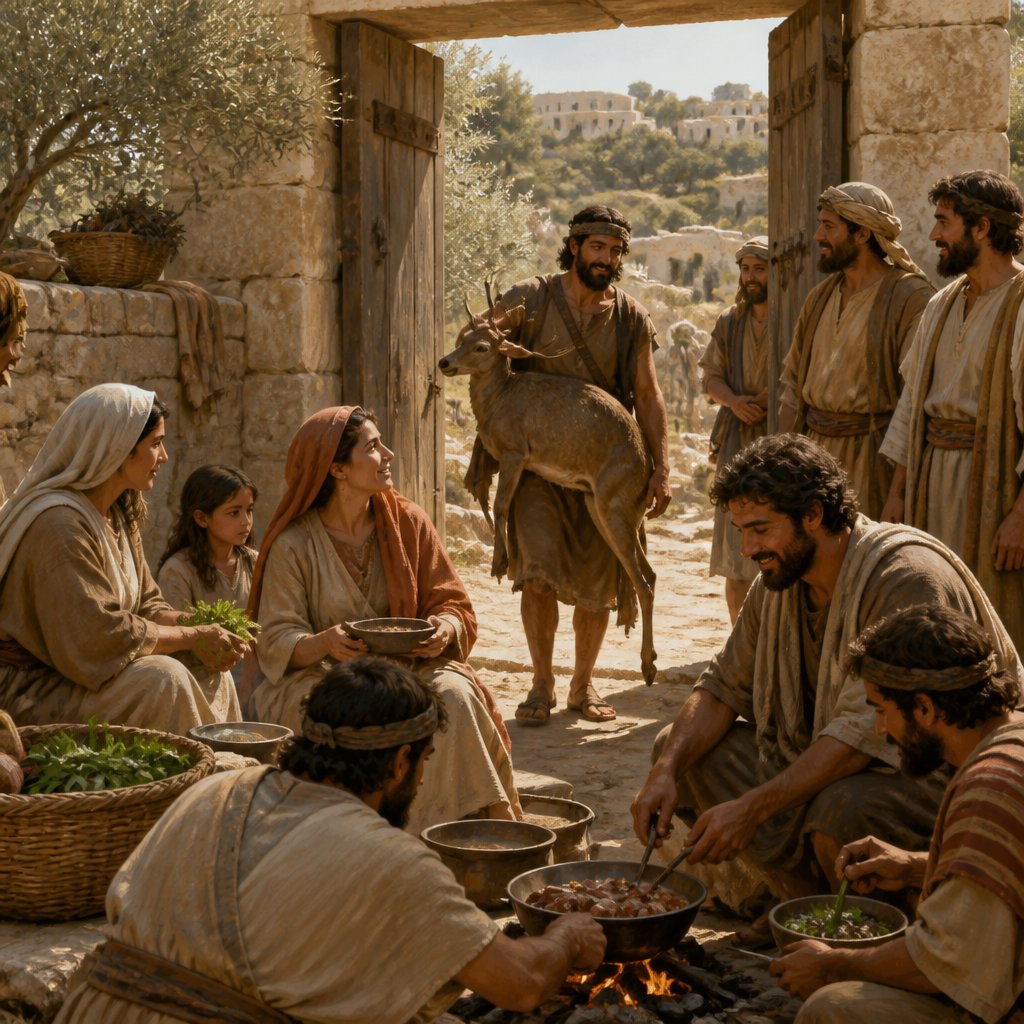
Deuteronomy 12:15 from the King James Version of the Bible states, "Notwithstanding thou mayest kill and eat flesh in all thy gates, whatsoever thy soul lusteth after, according to the blessing of the LORD thy God which he hath given thee: the unclean and the clean may eat thereof, as of the roebuck, and as of the hart." This verse is found within a larger passage in Deuteronomy which outlines various regulations and guidelines for the Israelites as they establish their society and worship practices. It is part of a larger section addressing the proper way to offer sacrifices and eat meat according to God's commands.
The verse begins with the permission to kill and eat flesh in all the gates, which refers to the various cities and communities where the Israelites lived. This permission is given with the stipulation that it must be done within the boundaries of God's blessing. This suggests that while the Israelites were allowed to eat meat, they must do so in a way that is in accordance with God's will and is seen as a blessing from Him. This ties into the overarching theme of obedience and reverence to God's commands that is prevalent throughout the book of Deuteronomy.
The verse then goes on to mention the distinction between the unclean and the clean – referring to animals that were considered permissible for consumption and those that were not according to the Old Testament dietary laws. This distinction was important for the Israelites to maintain their purity and holiness before God. It also symbolizes the idea of separating oneself from that which is impure or unholy, which is in line with the broader theme of holiness and purity found within the book of Deuteronomy.
The mention of the roebuck and hart specifically as permissible animals for consumption carries additional symbolism. The roebuck and hart were both types of deer, which were known for their agility, speed, and grace. In the context of this verse, these animals may symbolize the idea of provision and sustenance being provided by God's hand. This ties into the broader theme of God as the provider for His people, and the idea that all good things come from Him. This may also be seen as a reminder to the Israelites that the permission to eat meat comes with the responsibility to acknowledge and give thanks to God for His provision.
In a larger context, this verse is part of a section in Deuteronomy that seeks to regulate and codify the worship practices and societal norms of the Israelites. It addresses the proper way to offer sacrifices, consume meat, and maintain purity and holiness. The verse serves as a reminder to the Israelites that while they were allowed to enjoy the blessings of God, they must do so in a way that is in accordance with His will and is marked by obedience and reverence.
Overall, Deuteronomy 12:15 is a verse that addresses the regulation of meat consumption within the context of God's blessings and commands. It touches on themes of obedience, holiness, provision, and gratitude, all of which are central to the message of the book of Deuteronomy. It serves as a reminder to the Israelites of their need to align their actions with God's will and to acknowledge Him as the ultimate provider of all good things.
Get our apps


Artwork for Deuteronomy 12:15
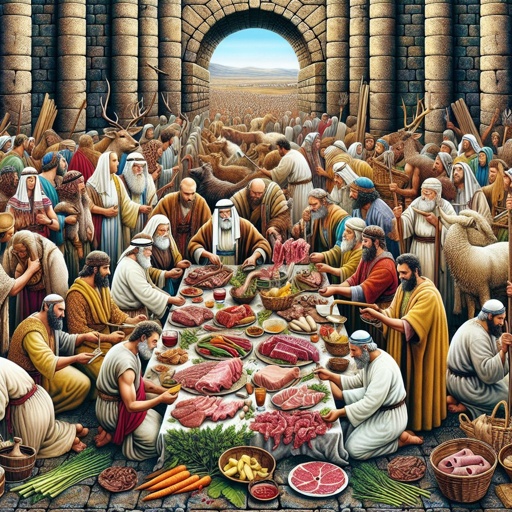
Deuteronomy 12:15 - "Notwithstanding thou mayest kill and eat flesh in all thy gates, whatsoever thy soul lusteth after, according to the blessing of the LORD thy God which he hath given thee: the unclean and the clean may eat thereof, as of the roebuck, and as of the hart."
"Notwithstanding thou mayest kill and eat flesh in all thy gates, whatsoever thy soul lusteth after, according to the blessing of the LORD thy God which he hath given thee: the unclean and the clean may eat thereof, as of the roebuck, and as of the hart." - Deuteronomy 12:15

Deuteronomy 15:12 - "¶ And if thy brother, an Hebrew man, or an Hebrew woman, be sold unto thee, and serve thee six years; then in the seventh year thou shalt let him go free from thee."

Deuteronomy 3:15 - "And I gave Gilead unto Machir."

Deuteronomy 14:15 - "And the owl, and the night hawk, and the cuckow, and the hawk after his kind,"

Deuteronomy 15:1 - "At the end of every seven years thou shalt make a release."

Deuteronomy 33:15 - "And for the chief things of the ancient mountains, and for the precious things of the lasting hills,"

Deuteronomy 14:12 - "But these are they of which ye shall not eat: the eagle, and the ossifrage, and the ospray,"

Deuteronomy 24:12 - "And if the man be poor, thou shalt not sleep with his pledge:"

Deuteronomy 15:15 - "And thou shalt remember that thou wast a bondman in the land of Egypt, and the LORD thy God redeemed thee: therefore I command thee this thing to day."

Deuteronomy 12:4 - "Ye shall not do so unto the LORD your God."

Deuteronomy 12:24 - "Thou shalt not eat it; thou shalt pour it upon the earth as water."

Deuteronomy 32:12 - "So the LORD alone did lead him, and there was no strange god with him."

Deuteronomy 31:15 - "And the LORD appeared in the tabernacle in a pillar of a cloud: and the pillar of the cloud stood over the door of the tabernacle."

Deuteronomy 11:15 - "And I will send grass in thy fields for thy cattle, that thou mayest eat and be full."

Deuteronomy 30:15 - "¶ See, I have set before thee this day life and good, and death and evil;"

Deuteronomy 5:12 - "Keep the sabbath day to sanctify it, as the LORD thy God hath commanded thee."

Deuteronomy 20:12 - "And if it will make no peace with thee, but will make war against thee, then thou shalt besiege it:"

Deuteronomy 15:23 - "Only thou shalt not eat the blood thereof; thou shalt pour it upon the ground as water."

"And I gave Gilead unto Machir." - Deuteronomy 3:15

Numbers 12 15

Genesis 15:12

Mark 15:12

Deuteronomy 12:9 - "For ye are not as yet come to the rest and to the inheritance, which the LORD your God giveth you."

Deuteronomy 12:19 - "Take heed to thyself that thou forsake not the Levite as long as thou livest upon the earth."

Deuteronomy 12:16 - "Only ye shall not eat the blood; ye shall pour it upon the earth as water."

Deuteronomy 15:3 - "Of a foreigner thou mayest exact it again: but that which is thine with thy brother thine hand shall release;"

Deuteronomy 2:15 - "For indeed the hand of the LORD was against them, to destroy them from among the host, until they were consumed."

Deuteronomy 16:12 - "And thou shalt remember that thou wast a bondman in Egypt: and thou shalt observe and do these statutes."

Deuteronomy 34:12 - "And in all that mighty hand, and in all the great terror which Moses shewed in the sight of all Israel."