What does Deuteronomy 12:20 mean?
“When the LORD thy God shall enlarge thy border, as he hath promised thee, and thou shalt say, I will eat flesh, because thy soul longeth to eat flesh; thou mayest eat flesh, whatsoever thy soul lusteth after.” — Deuteronomy 12:20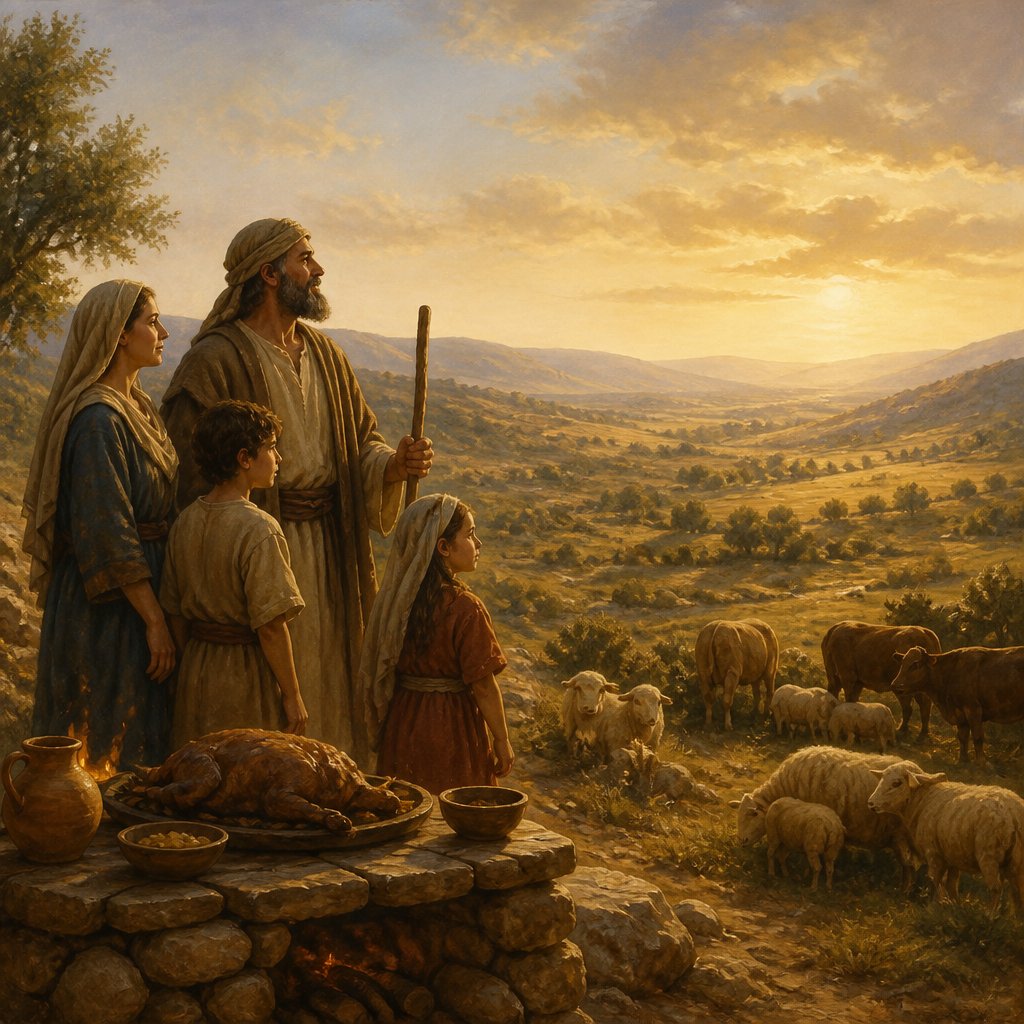
Deuteronomy 12:20 (KJV) states, "When the Lord thy God shall enlarge thy border, as he hath promised thee, and thou shalt say, I will eat flesh, because thy soul longeth to eat flesh; thou mayest eat flesh, whatsoever thy soul lusteth after."
This verse is part of a larger passage in the book of Deuteronomy in which Moses is delivering a series of speeches to the Israelites, providing them with laws and regulations for their new life in the Promised Land. Within this specific verse, Moses is addressing the Israelites and giving them guidance on how to approach the consumption of meat.
The first part of the verse, "When the Lord thy God shall enlarge thy border, as he hath promised thee," sets the stage for the context in which the Israelites will find themselves. It refers to the fulfillment of God's promise to give them a land of their own, a land flowing with milk and honey. This is significant because it signals a change in the Israelites' circumstances - from wandering in the wilderness to settling in a productive and fertile land. The idea of an enlarged border also implies expansion, growth, and prosperity, all of which were part of God's covenant with the Israelites.
The verse goes on to say, "and thou shalt say, I will eat flesh, because thy soul longeth to eat flesh." Here, Moses acknowledges the natural human desire for meat, and by extension, the enjoyment of God's blessings. The Israelites had been sustained in the wilderness by manna, the miraculous food that God provided for them. Now, as they enter the Promised Land and their borders are enlarged, they will have the freedom and abundance to eat meat as well.
The last part of the verse, "thou mayest eat flesh, whatsoever thy soul lusteth after," gives the Israelites permission to consume meat as they please. However, this permission comes with constraints and regulations, as is typical of many laws and commandments found in the book of Deuteronomy. Later in the chapter, Moses gives them detailed instructions on how to eat meat, including the requirement to offer sacrifices at the central sanctuary and to refrain from eating the blood of the animal. This is aimed at ensuring that the Israelites maintain reverence and respect for animal life, and that their consumption of meat is done in a way that aligns with God's will and the principles of holiness.
The themes and symbolism in this verse are numerous. One of the main themes is the idea of God's provision and abundance. The verse reflects the Israelites' transition from a state of scarcity and dependence to one of plenty and freedom. It also underscores the importance of gratitude and responsible stewardship of the resources that God provides. The symbolism of meat in this verse extends beyond the physical act of eating to represent the enjoyment of God's blessings and the fulfillment of his promises. Additionally, the permission to eat meat is a symbol of God's grace and understanding of human desires and needs.
On a deeper level, this verse can also be interpreted as a reminder for the Israelites (and for us today) to seek satisfaction and fulfillment in God alone. The phrase "thy soul longeth to eat flesh" can be seen as a metaphor for our human longing for fulfillment, which often leads us to pursue earthly desires and pleasures. The verse serves as a reminder that while it is permissible to enjoy God's blessings, our ultimate satisfaction should come from our relationship with God and our obedience to his will.
In conclusion, Deuteronomy 12:20 offers valuable insights and guidance for the Israelites as they prepare to enter the Promised Land. It emphasizes the importance of recognizing God's provision, exercising gratitude, and using blessings responsibly. It also prompts us to consider the deeper spiritual implications of our earthly desires and to seek satisfaction in the presence of God. Overall, this verse is a powerful reminder of the ways in which God's laws and promises intersect with our everyday lives.
Get our apps


Artwork for Deuteronomy 12:20

Deuteronomy 12:20 - "¶ When the LORD thy God shall enlarge thy border, as he hath promised thee, and thou shalt say, I will eat flesh, because thy soul longeth to eat flesh; thou mayest eat flesh, whatsoever thy soul lusteth after."
"¶ When the LORD thy God shall enlarge thy border, as he hath promised thee, and thou shalt say, I will eat flesh, because thy soul longeth to eat flesh; thou mayest eat flesh, whatsoever thy soul lusteth after." - Deuteronomy 12:20

Deuteronomy 20:12 - "And if it will make no peace with thee, but will make war against thee, then thou shalt besiege it:"

"And if it will make no peace with thee, but will make war against thee, then thou shalt besiege it:" - Deuteronomy 20:12

Deuteronomy 20:16

Deuteronomy 20:16

Deuteronomy 20:16

Create a picture of Deuteronomy 11:20

Deuteronomy 22:20 - "But if this thing be true, and the tokens of virginity be not found for the damsel:"

Deuteronomy 14:20 - "But of all clean fowls ye may eat."

Deuteronomy 5:20 - "Neither shalt thou bear false witness against thy neighbour."

Deuteronomy 20:10 - "¶ When thou comest nigh unto a city to fight against it, then proclaim peace unto it."

Deuteronomy 14:12 - "But these are they of which ye shall not eat: the eagle, and the ossifrage, and the ospray,"

Deuteronomy 24:12 - "And if the man be poor, thou shalt not sleep with his pledge:"

Genesis 20-12

Deuteronomy 12:4 - "Ye shall not do so unto the LORD your God."

Deuteronomy 11:20 - "And thou shalt write them upon the door posts of thine house, and upon thy gates:"

Deuteronomy 20:20 - "Only the trees which thou knowest that they be not trees for meat, thou shalt destroy and cut them down; and thou shalt build bulwarks against the city that maketh war with thee, until it be subdued."

Deuteronomy 12:24 - "Thou shalt not eat it; thou shalt pour it upon the earth as water."

Deuteronomy 32:12 - "So the LORD alone did lead him, and there was no strange god with him."

Deuteronomy 20:4 - "For the LORD your God is he that goeth with you, to fight for you against your enemies, to save you."

Deuteronomy 20:2 - "And it shall be, when ye are come nigh unto the battle, that the priest shall approach and speak unto the people,"

Deuteronomy 9:20 - "And the LORD was very angry with Aaron to have destroyed him: and I prayed for Aaron also the same time."

Deuteronomy 2:20 - "(That also was accounted a land of giants: giants dwelt therein in old time; and the Ammonites call them Zamzummims;"

Deuteronomy 5:12 - "Keep the sabbath day to sanctify it, as the LORD thy God hath commanded thee."

Deuteronomy 19:20 - "And those which remain shall hear, and fear, and shall henceforth commit no more any such evil among you."

Deuteronomy 33:20 - "¶ And of Gad he said, Blessed be he that enlargeth Gad: he dwelleth as a lion, and teareth the arm with the crown of the head."

acts 20:7-12

"But of all clean fowls ye may eat." - Deuteronomy 14:20

"But if this thing be true, and the tokens of virginity be not found for the damsel:" - Deuteronomy 22:20