What does Deuteronomy 12:24 mean?
“Thou shalt not eat it; thou shalt pour it upon the earth as water.” — Deuteronomy 12:24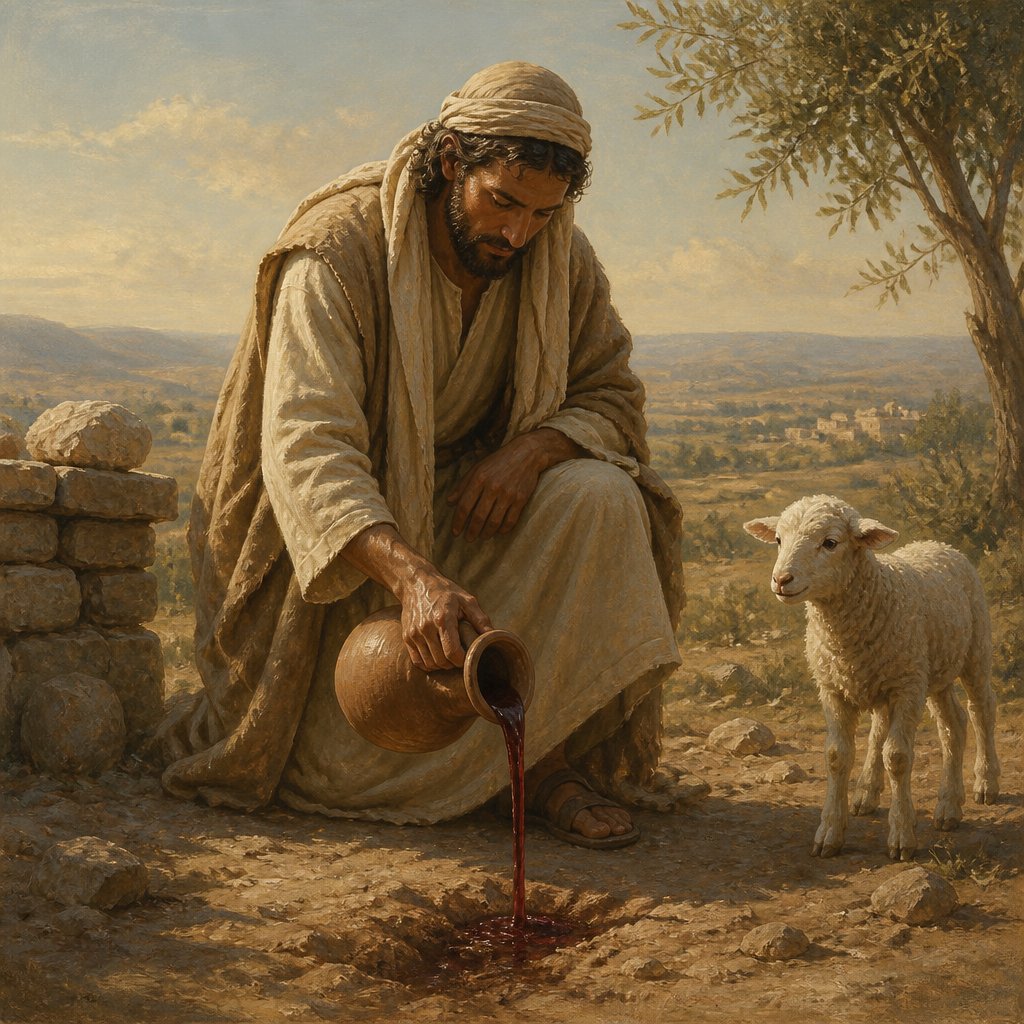
Deuteronomy 12:24 "Thou shalt not eat it; thou shalt pour it upon the earth as water."
This verse from the Book of Deuteronomy provides guidance on how to handle the blood of an animal that has been slaughtered for consumption. In the context of ancient Israelite society, where animal sacrifice was a common religious practice, this verse served as a reminder to the people about the sanctity of life and the proper way to honor and handle the blood of any creature that was sacrificed.
The symbolism and themes present in this verse are deeply rooted in the religious and cultural context of the ancient Israelites. The prohibition against consuming blood is a recurring theme throughout the Hebrew Bible, with blood often being associated with life and the divine. The act of pouring the blood of an animal on the earth as water was a way of returning the life force of the creature to the earth, from which it was believed to have originally come. This act of pouring out the blood was a symbolic gesture of respect for the sacredness of life and a recognition of the interconnectedness of all living beings.
The verse also reflects the Israelites' understanding of the role of blood in their religious rituals. Blood was considered to be a powerful and potent symbol of atonement, purification, and consecration, and it played a central role in the sacrificial system of ancient Israelite religion. By instructing the people to pour out the blood of a sacrificed animal on the earth, this verse emphasizes the importance of handling and disposing of blood in a manner that is respectful and in accordance with religious teachings.
The broader context of this verse within the Book of Deuteronomy is also significant. Deuteronomy is often referred to as a "book of laws" or a "second law," as it contains a reiteration and reinterpretation of the laws and commandments that were given to the Israelites at Mount Sinai. The book is attributed to Moses and is presented as a series of speeches delivered by him to the people of Israel, serving as a reminder of their covenant with God and providing them with guidance on how to live in accordance with divine will.
In this larger context, the verse can be understood as part of the broader theme of obedience to the laws and commandments of God. The prohibition against eating the blood of an animal and the instruction to pour it out as water serve as a reminder to the Israelites of the importance of following the religious laws and rituals that had been established for them. As such, the verse can be seen as a call to obedience and a reflection of the Israelites' commitment to living in a manner that is pleasing to God.
In a modern context, this verse may offer valuable insights into the ways in which religious teachings and rituals can shape our understanding of the sanctity of life and the interconnectedness of all living beings. The act of pouring out the blood of a sacrificed animal as water can be seen as a symbolic act of reverence for the natural world and a recognition of the profound impact that our actions can have on the world around us. It serves as a reminder of the importance of respecting and honoring the life that sustains us, and the interconnected web of life that we are all a part of.
In conclusion, Deuteronomy 12:24 offers a rich and multifaceted exploration of themes related to the sanctity of life, the religious significance of blood, and the importance of obedience to divine commandments. Its symbolism and themes continue to resonate with readers today, inviting us to reflect on our own relationships with the natural world and the ways in which we can honor and respect the interconnected web of life.
Get our apps


Artwork for Deuteronomy 12:24

Deuteronomy 12:24 - "Thou shalt not eat it; thou shalt pour it upon the earth as water."

"Thou shalt not eat it; thou shalt pour it upon the earth as water." - Deuteronomy 12:24

Deuteronomy 24:12 - "And if the man be poor, thou shalt not sleep with his pledge:"

James 1:2-4

"And if the man be poor, thou shalt not sleep with his pledge:" - Deuteronomy 24:12

James 1: 2-4

Joel 1:2-4, 13-20

2 Samuel 1:2-4 David is shocked the man is scared image in color

2 Samuel 1:2-4 David is shocked the man is scared image in color

Deuteronomy 4:24 - "For the LORD thy God is a consuming fire, even a jealous God."

Deuteronomy 1:24 - "And they turned and went up into the mountain, and came unto the valley of Eshcol, and searched it out."

Deuteronomy 9:24 - "Ye have been rebellious against the LORD from the day that I knew you."

Deuteronomy 27:24 - "Cursed be he that smiteth his neighbour secretly. And all the people shall say, Amen."

Joshua 24:12
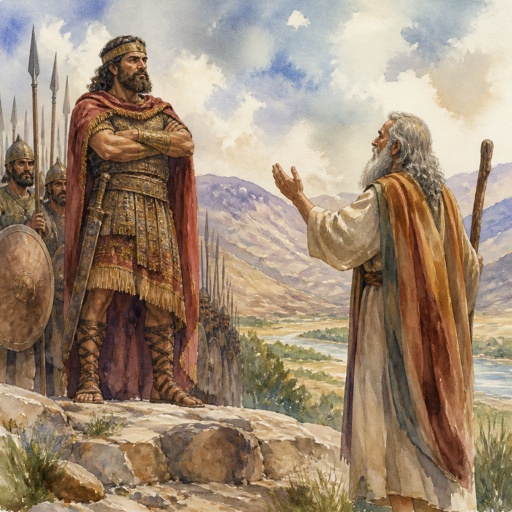
Sihon king of heshbon and Moses in Deuteronomy 2:24-37

Joshua 24:12

Genesis 24-12

Deuteronomy 24:17 - "¶ Thou shalt not pervert the judgment of the stranger, nor of the fatherless; nor take a widow's raiment to pledge:"

Deuteronomy 24:6 - "¶ No man shall take the nether or the upper millstone to pledge: for he taketh a man's life to pledge."

Deuteronomy 24:2 - "And when she is departed out of his house, she may go and be another man's wife."

2 Samuel 1:2-4 David is shocked the man is scared image in color less details

Deuteronomy 14:12 - "But these are they of which ye shall not eat: the eagle, and the ossifrage, and the ospray,"

Deuteronomy 12:4 - "Ye shall not do so unto the LORD your God."

Deuteronomy 24:21 - "When thou gatherest the grapes of thy vineyard, thou shalt not glean it afterward: it shall be for the stranger, for the fatherless, and for the widow."

Deuteronomy 24:22 - "And thou shalt remember that thou wast a bondman in the land of Egypt: therefore I command thee to do this thing."

Deuteronomy 31:24 - "¶ And it came to pass, when Moses had made an end of writing the words of this law in a book, until they were finished,"

Acts 12:24 - "¶ But the word of God grew and multiplied."

Deuteronomy 32:12 - "So the LORD alone did lead him, and there was no strange god with him."

Deuteronomy 24:9 - "Remember what the LORD thy God did unto Miriam by the way, after that ye were come forth out of Egypt."

Deuteronomy 24:11 - "Thou shalt stand abroad, and the man to whom thou dost lend shall bring out the pledge abroad unto thee."