What does Deuteronomy 12:27 mean?
"And thou shalt offer thy burnt offerings, the flesh and the blood, upon the altar of the LORD thy God: and the blood of thy sacrifices shall be poured out upon the altar of the LORD thy God, and thou shalt eat the flesh." - Deuteronomy 12:27
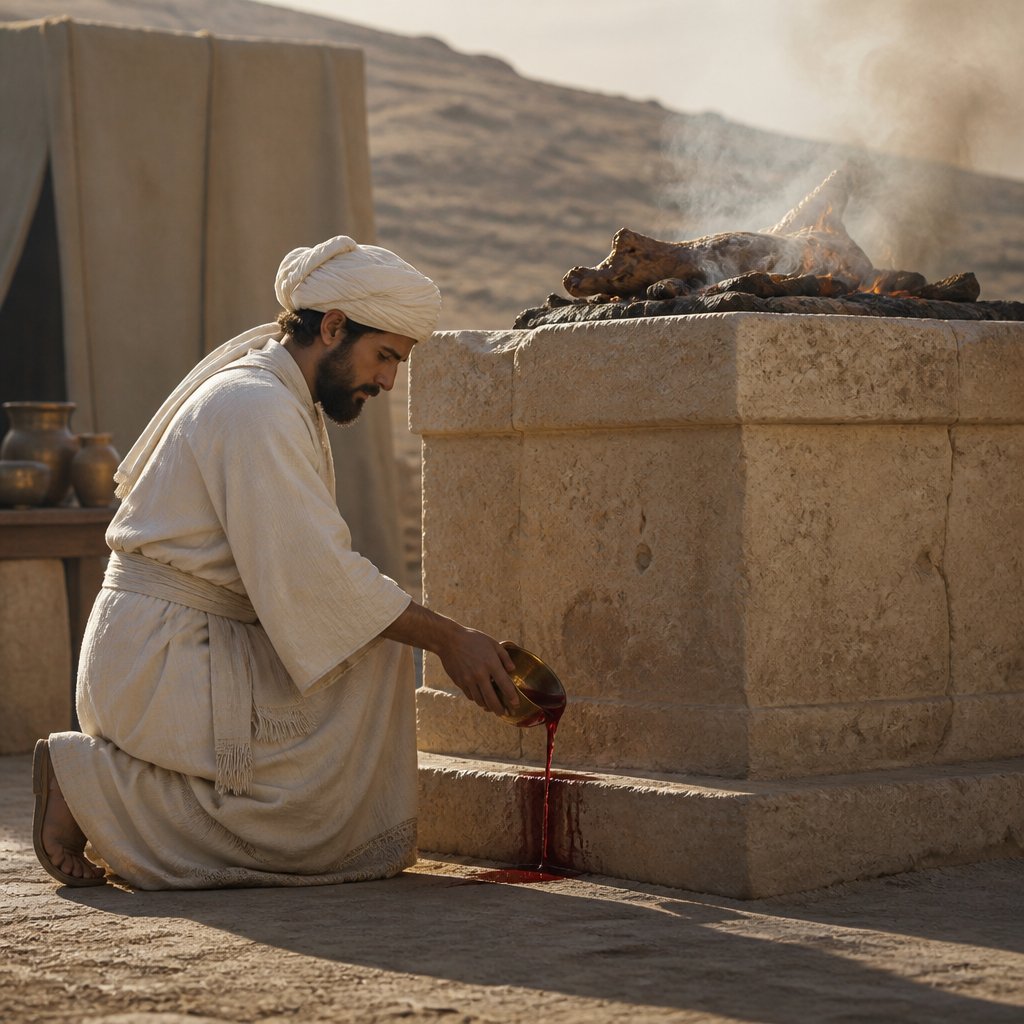
Deuteronomy 12:27 (KJV) states, "And thou shalt offer thy burnt offerings, the flesh and the blood, upon the altar of the LORD thy God: and the blood of thy sacrifices shall be poured out upon the altar of the LORD thy God, and thou shalt eat the flesh."
This verse is a part of the book of Deuteronomy, which is the fifth book of the Bible's Old Testament. It is attributed to Moses, and it contains his final words to the Israelites before they enter the Promised Land. In this verse, Moses is providing instructions to the Israelites regarding the proper way to offer burnt offerings to the Lord.
The theme of this verse is ritual sacrifice and worship. Burnt offerings were a central aspect of ancient Israelite religious practice. The Israelites believed that by offering sacrifices, they could atone for their sins and demonstrate their devotion to God. Therefore, this verse serves as a guide for the Israelites, instructing them on the proper procedure for making burnt offerings to the Lord.
The context of this verse is important for understanding its significance. In the preceding verses, Moses emphasizes the importance of offering sacrifices at the place that the Lord would choose. This was meant to centralize and unify the worship of the Israelites, preventing the proliferation of alternative religious sites and practices. By offering sacrifices at the designated altar, the Israelites would demonstrate their commitment to the Lord and avoid the temptation of idolatry.
Symbolism plays a significant role in this verse. The burnt offerings symbolize the Israelites' desire to surrender themselves completely to God. The act of sacrificing an animal and burning it on the altar signified the Israelites' willingness to give up something of value to them in order to show their devotion to the Lord. Additionally, the blood of the sacrifices symbolized the atonement for sin, as the Israelites believed that the shedding of blood was necessary for the forgiveness of sins.
Furthermore, the act of consuming the flesh of the burnt offerings held symbolic significance as well. By partaking in the offering, the Israelites were symbolically participating in the act of atonement and demonstrating their unity with God. This act also served as a reminder of the covenant between God and the Israelites, signifying their commitment to upholding their end of the covenant.
This verse also conveys the importance of obedience and reverence in the Israelites' worship of the Lord. The specific instructions regarding the manner in which the burnt offerings were to be made underscore the importance of following God's commands precisely. It also reflects the Israelites' understanding of the holiness of God and the need to approach Him with reverence and humility.
In conclusion, Deuteronomy 12:27 (KJV) holds significant meaning within the broader context of the Israelites' religious practices and beliefs. It serves as a guide for the proper way to offer burnt offerings to the Lord and emphasizes the significance of ritual sacrifice, obedience, and reverence in the Israelites' worship of God. The verse's themes of ritual sacrifice, obedience, and reverence, as well as its symbolic significance, make it a crucial part of understanding the religious practices and beliefs of the Israelites as recorded in the book of Deuteronomy.
Have questions about Deuteronomy 12:27?
Dive deeper into this scripture with Bible Chat — an AI-powered tool for exploring God's Word through conversation. Ask questions, get context, and grow in your understanding of the Bible.
Get Our Apps


Deuteronomy 12:27 Artwork
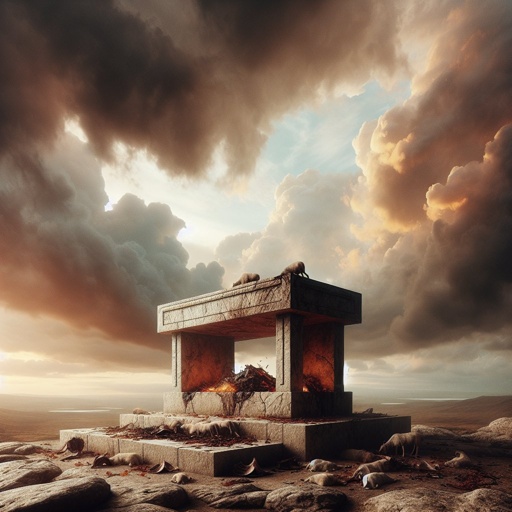
Deuteronomy 12:27 - "And thou shalt offer thy burnt offerings, the flesh and the blood, upon the altar of the LORD thy God: and the blood of thy sacrifices shall be poured out upon the altar of the LORD thy God, and thou shalt eat the flesh."
"And thou shalt offer thy burnt offerings, the flesh and the blood, upon the altar of the LORD thy God: and the blood of thy sacrifices shall be poured out upon the altar of the LORD thy God, and thou shalt eat the flesh." - Deuteronomy 12:27
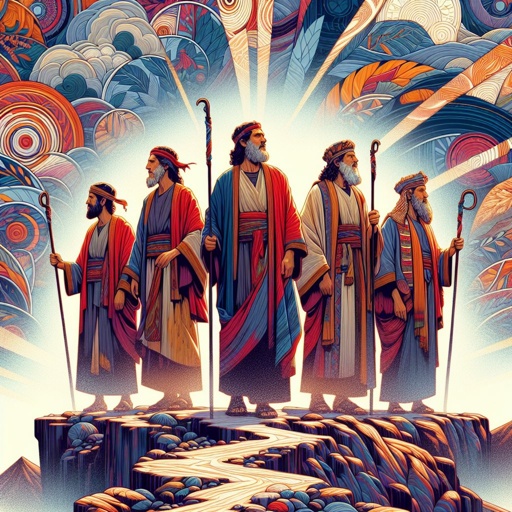
Deuteronomy 27:12 - "These shall stand upon mount Gerizim to bless the people, when ye are come over Jordan; Simeon, and Levi, and Judah, and Issachar, and Joseph, and Benjamin:"

Deuteronomy 27:11 - "¶ And Moses charged the people the same day, saying,"

Deuteronomy 27:14 - "¶ And the Levites shall speak, and say unto all the men of Israel with a loud voice,"

Deuteronomy 27:8 - "And thou shalt write upon the stones all the words of this law very plainly."

Deuteronomy 22:27 - "For he found her in the field, and the betrothed damsel cried, and there was none to save her."
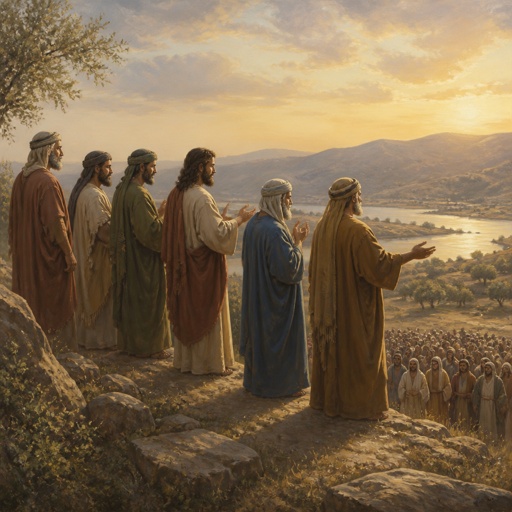
"These shall stand upon mount Gerizim to bless the people, when ye are come over Jordan; Simeon, and Levi, and Judah, and Issachar, and Joseph, and Benjamin:" - Deuteronomy 27:12

Deuteronomy 27:21 - "Cursed be he that lieth with any manner of beast. And all the people shall say, Amen."

Deuteronomy 29:27 - "And the anger of the LORD was kindled against this land, to bring upon it all the curses that are written in this book:"

Deuteronomy 27:17 - "Cursed be he that removeth his neighbour's landmark. And all the people shall say, Amen."

Deuteronomy 27:24 - "Cursed be he that smiteth his neighbour secretly. And all the people shall say, Amen."

Deuteronomy 27:23 - "Cursed be he that lieth with his mother in law. And all the people shall say, Amen."

Deuteronomy 28:27 - "The LORD will smite thee with the botch of Egypt, and with the emerods, and with the scab, and with the itch, whereof thou canst not be healed."

Deuteronomy 27:19 - "Cursed be he that perverteth the judgment of the stranger, fatherless, and widow. And all the people shall say, Amen."

Deuteronomy 11:27 - "A blessing, if ye obey the commandments of the LORD your God, which I command you this day:"

Deuteronomy 27:18 - "Cursed be he that maketh the blind to wander out of the way. And all the people shall say, Amen."

Deuteronomy 27:7 - "And thou shalt offer peace offerings, and shalt eat there, and rejoice before the LORD thy God."

Deuteronomy 27:13 - "And these shall stand upon mount Ebal to curse; Reuben, Gad, and Asher, and Zebulun, Dan, and Naphtali."

Deuteronomy 27:25 - "Cursed be he that taketh reward to slay an innocent person. And all the people shall say, Amen."

Deuteronomy 27:26 - "Cursed be he that confirmeth not all the words of this law to do them. And all the people shall say, Amen."

Deuteronomy 27:16 - "Cursed be he that setteth light by his father or his mother. And all the people shall say, Amen."

1 Corinthians 12:27

Deuteronomy 27:1 - "And Moses with the elders of Israel commanded the people, saying, Keep all the commandments which I command you this day."

"¶ And Moses charged the people the same day, saying," - Deuteronomy 27:11

Deuteronomy 9:27 - "Remember thy servants, Abraham, Isaac, and Jacob; look not unto the stubbornness of this people, nor to their wickedness, nor to their sin:"
Deuteronomy 14:27 - "And the Levite that is within thy gates; thou shalt not forsake him; for he hath no part nor inheritance with thee."

Deuteronomy 14:12 - "But these are they of which ye shall not eat: the eagle, and the ossifrage, and the ospray,"

Deuteronomy 24:12 - "And if the man be poor, thou shalt not sleep with his pledge:"

Deuteronomy 12:4 - "Ye shall not do so unto the LORD your God."