What does Deuteronomy 12:6 mean?
“And thither ye shall bring your burnt offerings, and your sacrifices, and your tithes, and heave offerings of your hand, and your vows, and your freewill offerings, and the firstlings of your herds and of your flocks:” — Deuteronomy 12:6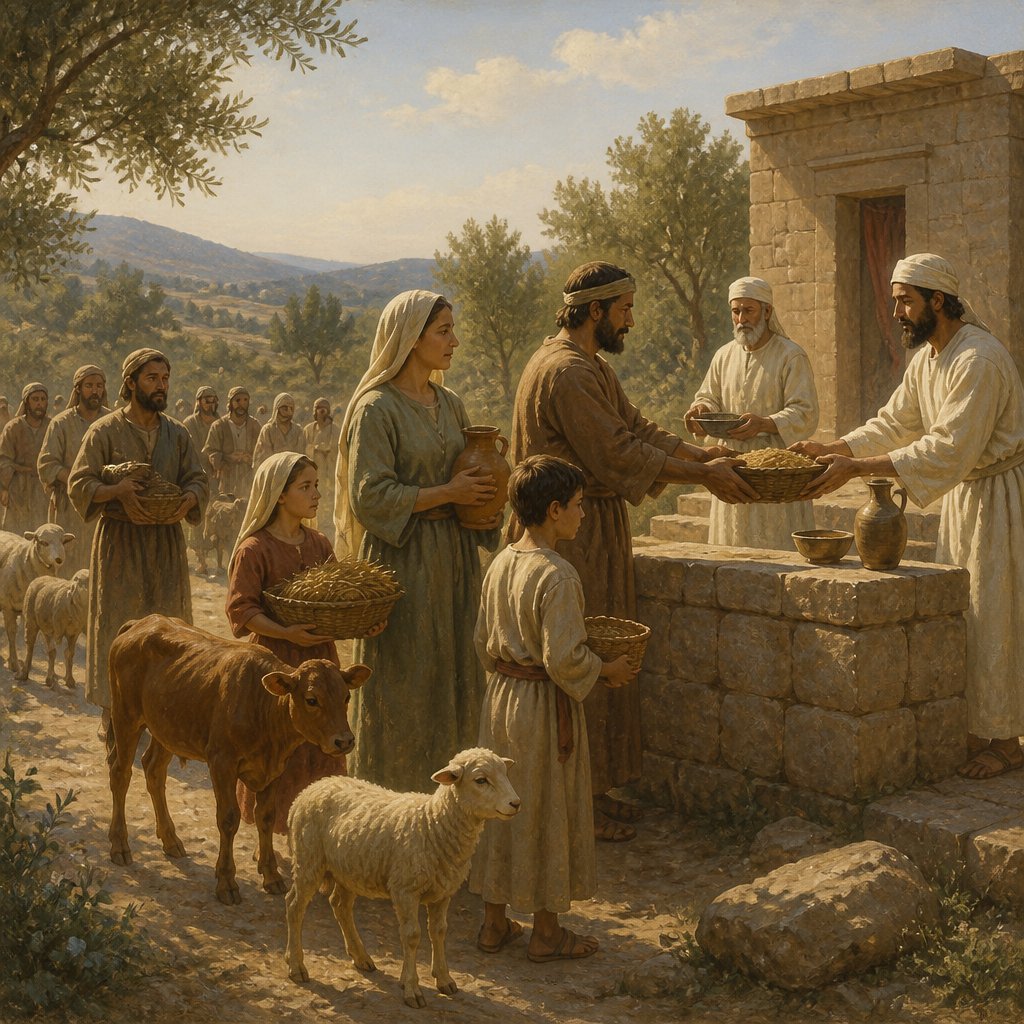
Deuteronomy 12:6 (KJV) states, “And thither ye shall bring your burnt offerings, and your sacrifices, and your tithes, and heave offerings of your hand, and your vows, and your freewill offerings, and the firstlings of your herds and of your flocks.”
This verse is part of the book of Deuteronomy, which is the fifth book of the Hebrew Bible and the Christian Old Testament. The book is a series of speeches given by Moses to the Israelites before they enter the Promised Land. In this specific verse, Moses is instructing the Israelites on the proper way to worship and offer sacrifices to God.
The verse encompasses several key themes, including worship, obedience, and the covenant between God and his people. It demonstrates the importance of bringing offerings to God as a way of acknowledging his sovereignty and showing gratitude for his blessings. The offerings mentioned in the verse – burnt offerings, sacrifices, tithes, heave offerings, vows, freewill offerings, and firstlings – represent a broad spectrum of ways in which the Israelites were expected to present themselves to God and honor him with their possessions.
The context of this verse is crucial to understanding its significance. The Israelites had been freed from slavery in Egypt and were on the cusp of entering the land that God had promised to their ancestors. They were a people chosen by God to be his special possession, and as such, they were expected to live in accordance with his commandments and statutes. The offering of sacrifices and tithes was a fundamental part of their worship and was meant to be a sign of their faithfulness and obedience to God.
Furthermore, the verse serves as a reminder of the covenant between God and the Israelites. The act of bringing offerings was a tangible way for the Israelites to uphold their end of the covenant and to maintain a close relationship with God. By offering their best and most valuable possessions, the Israelites demonstrated their commitment to God and their reliance on him as their provider and sustainer.
Symbolism plays a significant role in this verse as well. The various types of offerings mentioned – burnt offerings, sacrifices, tithes, heave offerings, vows, freewill offerings, and firstlings – each hold symbolic meaning within the broader context of Israelite worship. For example, burnt offerings were meant to symbolize complete dedication and surrender to God, while tithes represented a recognition of God’s ownership over all that the Israelites possessed. The offerings served as a way for the Israelites to express their gratitude, dependence, and reverence for God.
In conclusion, Deuteronomy 12:6 provides a poignant reminder of the Israelites’ obligation to worship God with their possessions and to honor their covenant with him. The verse emphasizes the importance of offering sacrifices and tithes as a way of expressing gratitude, obedience, and allegiance to God. It serves as a foundational principle for understanding the nature of worship and the relationship between God and his people in the Old Testament.
Get our apps


Artwork for Deuteronomy 12:6
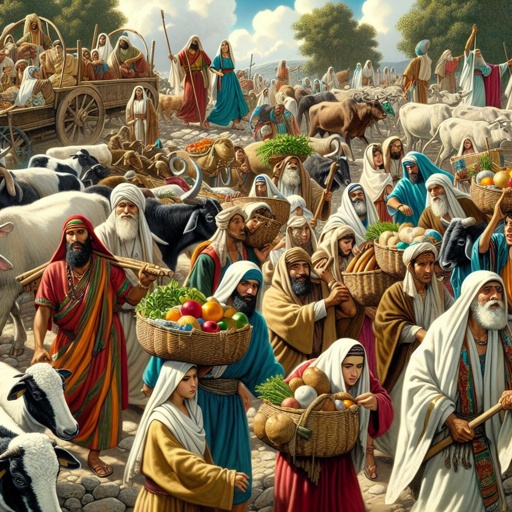
Deuteronomy 12:6 - "And thither ye shall bring your burnt offerings, and your sacrifices, and your tithes, and heave offerings of your hand, and your vows, and your freewill offerings, and the firstlings of your herds and of your flocks:"
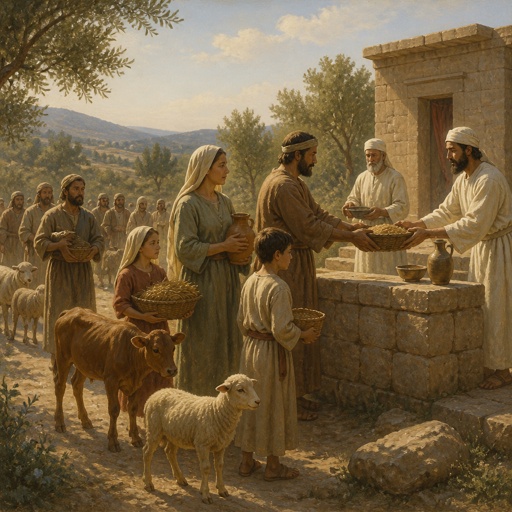
"And thither ye shall bring your burnt offerings, and your sacrifices, and your tithes, and heave offerings of your hand, and your vows, and your freewill offerings, and the firstlings of your herds and of your flocks:" - Deuteronomy 12:6

Deuteronomy 6:12 - "Then beware lest thou forget the LORD, which brought thee forth out of the land of Egypt, from the house of bondage."

Deuteronomy 6:6 - "And these words, which I command thee this day, shall be in thine heart:"
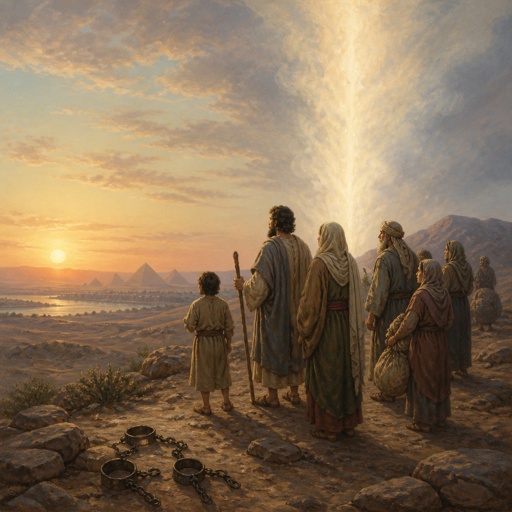
"Then beware lest thou forget the LORD, which brought thee forth out of the land of Egypt, from the house of bondage." - Deuteronomy 6:12

Deuteronomy 34:5-6

Deuteronomy 14:12 - "But these are they of which ye shall not eat: the eagle, and the ossifrage, and the ospray,"

Deuteronomy 24:12 - "And if the man be poor, thou shalt not sleep with his pledge:"

Deuteronomy 12:4 - "Ye shall not do so unto the LORD your God."

Deuteronomy 12:24 - "Thou shalt not eat it; thou shalt pour it upon the earth as water."

Deuteronomy 32:12 - "So the LORD alone did lead him, and there was no strange god with him."

Deuteronomy 6:4 - "Hear, O Israel: The LORD our God is one LORD:"

Deuteronomy 33:6 - "¶ Let Reuben live, and not die; and let not his men be few."

Deuteronomy 5:12 - "Keep the sabbath day to sanctify it, as the LORD thy God hath commanded thee."

Deuteronomy 20:12 - "And if it will make no peace with thee, but will make war against thee, then thou shalt besiege it:"

Deuteronomy 12:9 - "For ye are not as yet come to the rest and to the inheritance, which the LORD your God giveth you."

Deuteronomy 12:19 - "Take heed to thyself that thou forsake not the Levite as long as thou livest upon the earth."

Deuteronomy 12:16 - "Only ye shall not eat the blood; ye shall pour it upon the earth as water."

Deuteronomy 23:6 - "Thou shalt not seek their peace nor their prosperity all thy days for ever."

Deuteronomy 6:16 - "¶ Ye shall not tempt the LORD your God, as ye tempted him in Massah."

Deuteronomy 6:9 - "And thou shalt write them upon the posts of thy house, and on thy gates."

Deuteronomy 16:12 - "And thou shalt remember that thou wast a bondman in Egypt: and thou shalt observe and do these statutes."

Deuteronomy 34:12 - "And in all that mighty hand, and in all the great terror which Moses shewed in the sight of all Israel."

Deuteronomy 12:23 - "Only be sure that thou eat not the blood: for the blood is the life; and thou mayest not eat the life with the flesh."

Deuteronomy 1:12 - "How can I myself alone bear your cumbrance, and your burden, and your strife?"

Deuteronomy 12:13 - "Take heed to thyself that thou offer not thy burnt offerings in every place that thou seest:"

Deuteronomy 6:19 - "To cast out all thine enemies from before thee, as the LORD hath spoken."

Deuteronomy 26:6 - "And the Egyptians evil entreated us, and afflicted us, and laid upon us hard bondage:"

Deuteronomy 8:12 - "Lest when thou hast eaten and art full, and hast built goodly houses, and dwelt therein;"

Deuteronomy 23:12 - "¶ Thou shalt have a place also without the camp, whither thou shalt go forth abroad:"