What does Deuteronomy 13:9 mean?
“But thou shalt surely kill him; thine hand shall be first upon him to put him to death, and afterwards the hand of all the people.” — Deuteronomy 13:9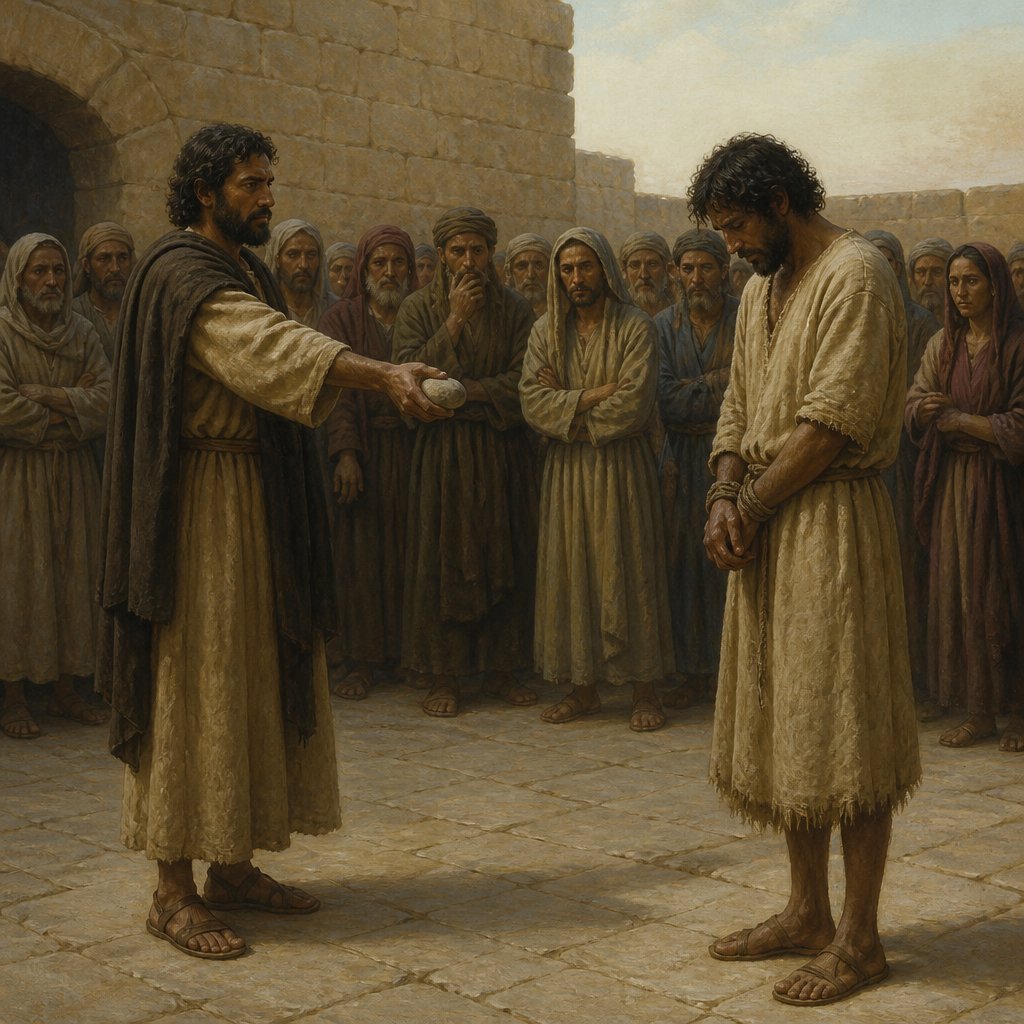
Deuteronomy 13:9, King James Version: "But thou shalt surely kill him; thine hand shall be first upon him to put him to death, and afterwards the hand of all the people."
This verse is part of Moses' address to the Israelites in the book of Deuteronomy, which serves as a restatement and elaboration of the laws and commandments given by God at Sinai. In this particular verse, Moses is instructing the Israelites on how to deal with false prophets and those who entice others to worship other gods. This passage underscores the severity of idolatry in the eyes of God and the importance of remaining faithful to Him.
The verse begins with the command to "surely kill" the one who entices others to worship other gods. This is a harsh and unyielding directive that reflects the seriousness of idolatry in the eyes of the Israelites and their God. It harkens back to the first of the Ten Commandments given to the Israelites at Sinai, which states, "You shall have no other gods before me" (Exodus 20:3). The Israelites were to be uncompromising in their devotion to God, and any deviation from this was met with severe consequences.
The phrase "thine hand shall be first upon him to put him to death" is particularly significant. It signifies that the community as a whole is responsible for upholding the law and ensuring that false prophets are dealt with according to God's command. This individual responsibility reinforces the idea that maintaining faithfulness to God is a collective effort and that deviation from it is not to be tolerated.
Furthermore, the phrase "afterwards the hand of all the people" emphasizes the communal nature of this responsibility. It is not the duty of a select few to enforce the laws and commandments of God; rather, it is a duty shared by the entire community. This serves as a call to collective action and solidarity in upholding the will of God and safeguarding the faith of the Israelites.
The context of this verse is crucial in understanding its significance. The Israelites had just been delivered from bondage in Egypt and were on the brink of entering the Promised Land. As they prepared to establish themselves as a nation, it was imperative that they understood the gravity of maintaining their covenant with God. The presence of false prophets and the temptation to worship other gods posed a significant threat to their faithfulness and identity as a chosen people. Therefore, Moses' strict instructions served as a deterrent against falling into idolatry and a reminder of the consequences of doing so.
Symbolically, this verse represents the unwavering commitment and loyalty that God expects from His people. It underscores the importance of upholding the covenant and remaining steadfast in the face of temptation. It also highlights the idea of community accountability and the shared responsibility of ensuring the faithfulness of the Israelites. The harsh punishment for idolatry serves as a warning against straying from the path of righteousness and emphasizes the need for unwavering devotion to God.
In conclusion, Deuteronomy 13:9 is a stern and unequivocal directive that reflects the seriousness of idolatry in the eyes of God. It serves as a call to collective action and solidarity in upholding the will of God and safeguarding the faith of the Israelites. It symbolizes the unwavering commitment and loyalty that God expects from His people and underscores the importance of remaining faithful to Him. This verse serves as a powerful reminder of the consequences of straying from the path of righteousness and the need for unwavering devotion to God.
Get our apps


Artwork for Deuteronomy 13:9
"But thou shalt surely kill him; thine hand shall be first upon him to put him to death, and afterwards the hand of all the people." - Deuteronomy 13:9
Deuteronomy 9:13 - "Furthermore the LORD spake unto me, saying, I have seen this people, and, behold, it is a stiffnecked people:"
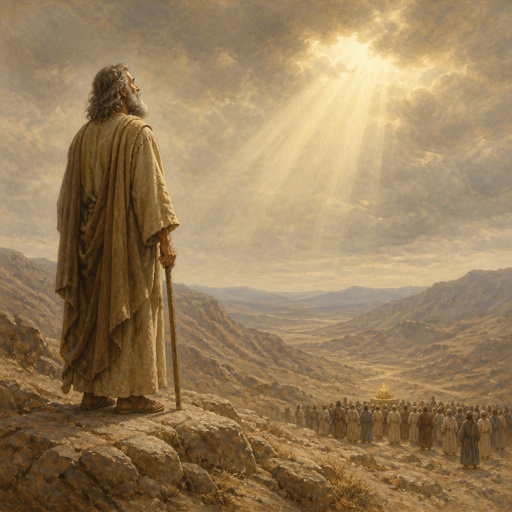
"Furthermore the LORD spake unto me, saying, I have seen this people, and, behold, it is a stiffnecked people:" - Deuteronomy 9:13

Deuteronomy 14:13 - "And the glede, and the kite, and the vulture after his kind,"

Deuteronomy 18:13 - "Thou shalt be perfect with the LORD thy God."

Deuteronomy 17:13 - "And all the people shall hear, and fear, and do no more presumptuously."

Deuteronomy 25:13 - "¶ Thou shalt not have in thy bag divers weights, a great and a small."

Deuteronomy 5:13 - "Six days thou shalt labour, and do all thy work:"

Deuteronomy 22:13 - "¶ If any man take a wife, and go in unto her, and hate her,"

Deuteronomy 32:9 - "For the LORD'S portion is his people; Jacob is the lot of his inheritance."

Deuteronomy 3:9 - "(Which Hermon the Sidonians call Sirion; and the Amorites call it Shenir;)"

Deuteronomy 9:22 - "And at Taberah, and at Massah, and at Kibroth-hattaavah, ye provoked the LORD to wrath."

Deuteronomy 13:1 - "If there arise among you a prophet, or a dreamer of dreams, and giveth thee a sign or a wonder,"

Deuteronomy 6:9 - "And thou shalt write them upon the posts of thy house, and on thy gates."

Deuteronomy 6:13 - "Thou shalt fear the LORD thy God, and serve him, and shalt swear by his name."

Deuteronomy 13:11 - "And all Israel shall hear, and fear, and shall do no more any such wickedness as this is among you."

Deuteronomy 9:24 - "Ye have been rebellious against the LORD from the day that I knew you."

Deuteronomy 12:9 - "For ye are not as yet come to the rest and to the inheritance, which the LORD your God giveth you."

Deuteronomy 12:13 - "Take heed to thyself that thou offer not thy burnt offerings in every place that thou seest:"

Deuteronomy 27:13 - "And these shall stand upon mount Ebal to curse; Reuben, Gad, and Asher, and Zebulun, Dan, and Naphtali."

Deuteronomy 10:13 - "To keep the commandments of the LORD, and his statutes, which I command thee this day for thy good?"

Rev 9:13

Genesis 9:13

Deuteronomy 14:9 - "¶ These ye shall eat of all that are in the waters: all that have fins and scales shall ye eat:"

Deuteronomy 29:9 - "Keep therefore the words of this covenant, and do them, that ye may prosper in all that ye do."

Deuteronomy 13:13 - "Certain men, the children of Belial, are gone out from among you, and have withdrawn the inhabitants of their city, saying, Let us go and serve other gods, which ye have not known;"

Deuteronomy 33:13 - "¶ And of Joseph he said, Blessed of the LORD be his land, for the precious things of heaven, for the dew, and for the deep that coucheth beneath,"
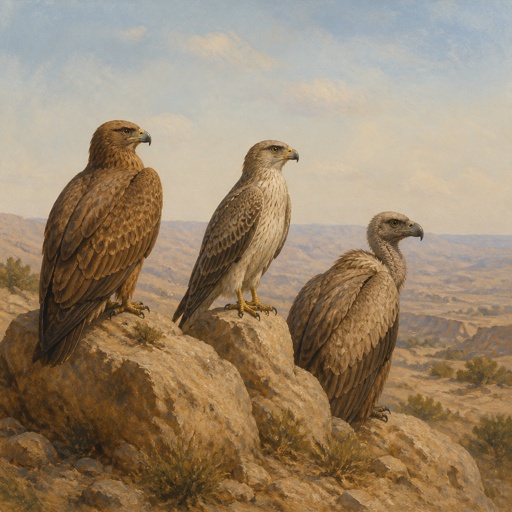
"And the glede, and the kite, and the vulture after his kind," - Deuteronomy 14:13

"Thou shalt be perfect with the LORD thy God." - Deuteronomy 18:13

Deuteronomy 9:20 - "And the LORD was very angry with Aaron to have destroyed him: and I prayed for Aaron also the same time."