What does Deuteronomy 14:19 mean?
"And every creeping thing that flieth is unclean unto you: they shall not be eaten." - Deuteronomy 14:19
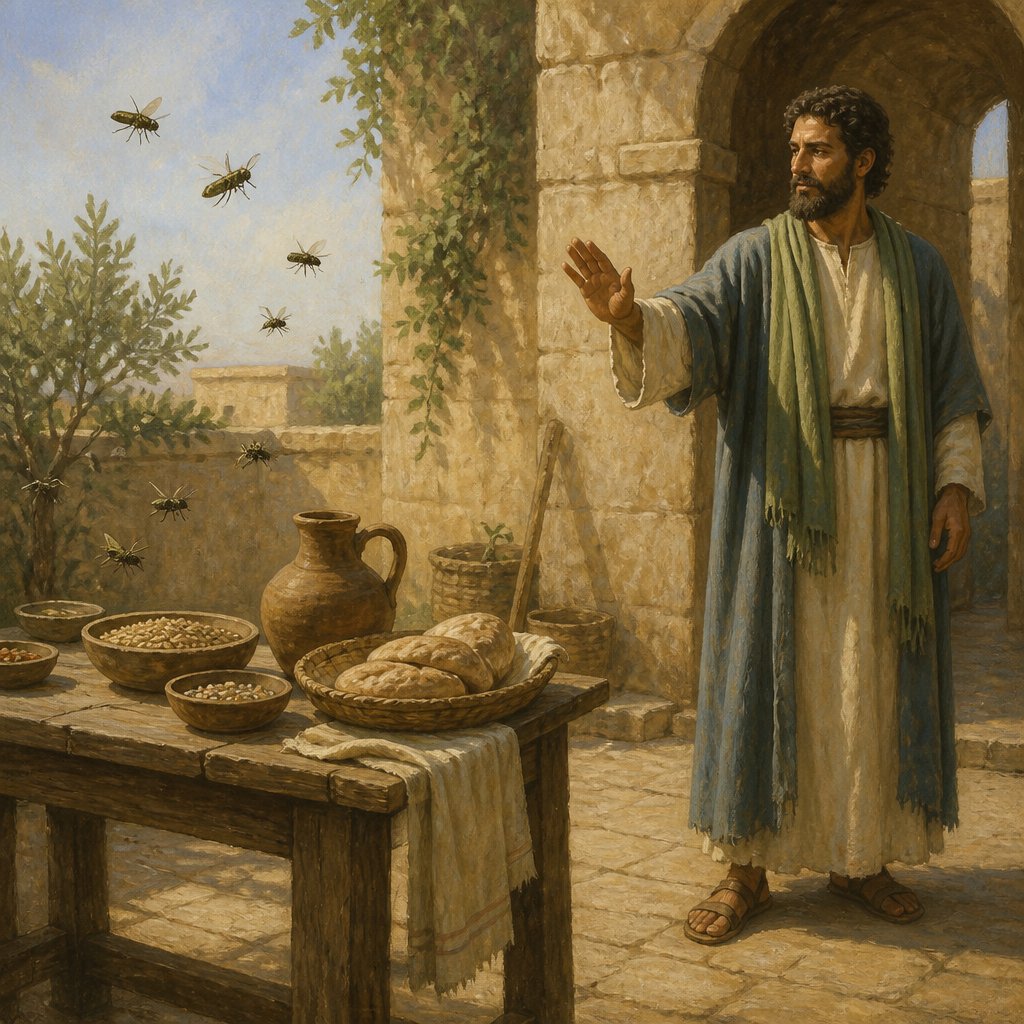
Deuteronomy 14:19 from the King James Version of the Bible states, "And every creeping thing that flieth is unclean unto you: they shall not be eaten." This verse is part of a larger passage in the book of Deuteronomy that outlines dietary laws and restrictions for the Israelites. The chapter as a whole emphasizes the importance of maintaining religious purity and avoiding consumption of unclean animals.
The context of this verse is critical to understanding its significance. In the book of Deuteronomy, Moses is delivering his final sermon to the Israelites before they enter the Promised Land. He is reiterating the laws and commandments that God had given to them earlier, stressing the importance of obedience and faithfulness to God. The dietary laws outlined in this passage are part of the larger system of regulations designed to set the Israelites apart as a holy people, dedicated to God.
One of the central themes in this passage is purity and holiness. The Israelites are instructed to distinguish between clean and unclean animals, and only to eat those that are considered clean according to God's instructions. This emphasis on purity extends beyond the physical realm to the spiritual and moral aspects of life. By adhering to these dietary laws, the Israelites are reminded of their commitment to God and their separation from the practices of other nations.
The specific mention of "creeping things that fly" as being unclean serves as a symbol of the boundaries between the Israelites and the world around them. The Israelites are to abstain from consuming creatures that are considered unclean, which helps to reinforce their identity as a chosen and consecrated people. This act of dietary restriction becomes a visible and tangible expression of their devotion to God.
Furthermore, this verse also speaks to the idea of obedience and submission to God's will. By adhering to the dietary laws, the Israelites demonstrate their trust in God's wisdom and authority. They acknowledge that God's ways are higher than their own and are willing to submit to His commands, even when it comes to something as basic as their diet. This act of obedience serves as a reminder of the Israelites' covenant with God and their commitment to following His guidance in all aspects of their lives.
In a broader sense, this verse also highlights the concept of separation and distinction. The Israelites are called to be different from the surrounding nations, both in their worship of God and in their everyday practices. The dietary laws serve as a visible marker of this distinction, signaling to the world that the Israelites belong to God and are under His authority. This theme of separation aligns with the overall message of the book of Deuteronomy, which emphasizes the importance of remaining faithful and uncompromising in the midst of a world filled with idolatry and ungodly practices.
In conclusion, Deuteronomy 14:19 from the King James Version of the Bible carries significant meaning within the larger context of the book. It serves as a reminder of the Israelites' commitment to purity, holiness, obedience, and separation from the world. This verse emphasizes the importance of following God's commands and maintaining a distinct identity as His chosen people. As readers today, we can also draw lessons from this passage about the value of obedience, faithfulness, and remaining steadfast in our commitment to God.
Have questions about Deuteronomy 14:19?
Dive deeper into this scripture with Bible Chat — an AI-powered tool for exploring God's Word through conversation. Ask questions, get context, and grow in your understanding of the Bible.
Get Our Apps


Deuteronomy 14:19 Artwork

Deuteronomy 14:19 - "And every creeping thing that flieth is unclean unto you: they shall not be eaten."
"And every creeping thing that flieth is unclean unto you: they shall not be eaten." - Deuteronomy 14:19

Deuteronomy 19:14 - "¶ Thou shalt not remove thy neighbour's landmark, which they of old time have set in thine inheritance, which thou shalt inherit in the land that the LORD thy God giveth thee to possess it."

Deuteronomy 14:14 - "And every raven after his kind,"

Deuteronomy 30:19:

Deuteronomy 5:19 - "Neither shalt thou steal."

Deuteronomy 14:17 - "And the pelican, and the gier eagle, and the cormorant,"

"And every raven after his kind," - Deuteronomy 14:14

Deuteronomy 14:16 - "The little owl, and the great owl, and the swan,"

Deuteronomy 14:3 - "¶ Thou shalt not eat any abominable thing."

Deuteronomy 14:11 - "¶ Of all clean birds ye shall eat."

Deuteronomy 14:20 - "But of all clean fowls ye may eat."

Deuteronomy 14:13 - "And the glede, and the kite, and the vulture after his kind,"

Deuteronomy 10:19 - "Love ye therefore the stranger: for ye were strangers in the land of Egypt."

Deuteronomy 14:18 - "And the stork, and the heron after her kind, and the lapwing, and the bat."

Deuteronomy 14:12 - "But these are they of which ye shall not eat: the eagle, and the ossifrage, and the ospray,"

Deuteronomy 14:15 - "And the owl, and the night hawk, and the cuckow, and the hawk after his kind,"

Deuteronomy 29:14 - "Neither with you only do I make this covenant and this oath;"

Deuteronomy 19:7 - "Wherefore I command thee, saying, Thou shalt separate three cities for thee."

Deuteronomy 6:19 - "To cast out all thine enemies from before thee, as the LORD hath spoken."

"Neither shalt thou steal." - Deuteronomy 5:19

Deuteronomy 14:4 - "These are the beasts which ye shall eat: the ox, the sheep, and the goat,"

Numbers 19:14-19 Touching a dead is unclean

Genesis 19-14

Psalm 19:14

Deuteronomy 19:16 - "¶ If a false witness rise up against any man to testify against him that which is wrong;"

Deuteronomy 27:19 - "Cursed be he that perverteth the judgment of the stranger, fatherless, and widow. And all the people shall say, Amen."

Deuteronomy 19:19 - "Then shall ye do unto him, as he had thought to have done unto his brother: so shalt thou put the evil away from among you."

Deuteronomy 12:19 - "Take heed to thyself that thou forsake not the Levite as long as thou livest upon the earth."

Deuteronomy 25:14 - "Thou shalt not have in thine house divers measures, a great and a small."