What does Deuteronomy 14:27 mean?
“And the Levite that is within thy gates; thou shalt not forsake him; for he hath no part nor inheritance with thee.” — Deuteronomy 14:27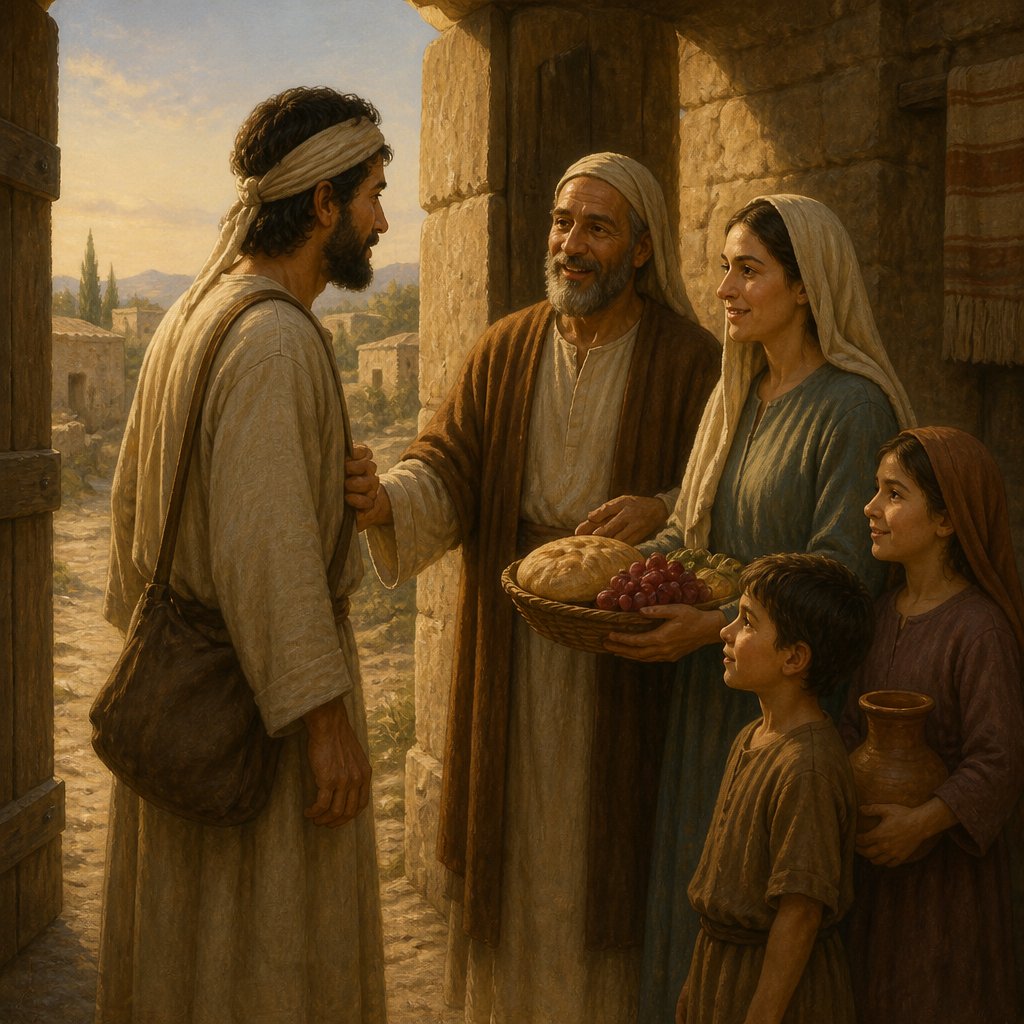
Deuteronomy 14:27 (KJV) states, “And the Levite that is within thy gates; thou shalt not forsake him; for he hath no part nor inheritance with thee.” This verse is part of a larger passage in the book of Deuteronomy, which is traditionally attributed to Moses and contains Moses's final words to the Israelites before they enter the Promised Land. The verse is part of the broader theme of providing for those in need and the importance of community support, specifically addressing the Levite tribe, who were chosen to serve as priests and were not given an inheritance of land like the other tribes of Israel.
The verse begins with the command, “And the Levite that is within thy gates”, emphasizing the immediate presence and proximity of the Levite within the community. The Levites were not given a specific portion of land when the tribes of Israel inherited their territories, as described in Joshua 14-21. Instead, they were given towns and pasturelands throughout the land (Numbers 35:1-8), and were dependant on the other tribes for their sustenance and livelihood. This verse serves as a reminder to the Israelites that they should not forsake the Levites, but rather support and provide for them, as they have no land of their own.
The second part of the verse states, “thou shalt not forsake him;”, which is a direct command to the Israelites to not abandon or neglect the Levites. This command underscores the principle of caring for those in need within the community, and ensuring that no one is left without support. This is a recurring theme throughout the Bible, emphasizing the importance of compassion, generosity, and looking out for those who are vulnerable or marginalized.
The verse concludes with the reason for this command, “for he hath no part nor inheritance with thee.” This serves as a reminder to the Israelites of the unique position of the Levites within their society. The Levites' sole responsibility was to serve in the Tabernacle and later the Temple, performing ritual sacrifices, teaching the people, and serving as mediators between God and the people. Their lack of a specific inheritance of land highlights their dependence on the other tribes for their basic needs.
In a broader context, the command to care for the Levites reflects a larger theme in the Bible of providing for those in need and looking out for the marginalized. This principle is seen throughout the Old Testament, with numerous laws and commandments concerning the treatment of widows, orphans, and foreigners. It is also echoed in the teachings of Jesus in the New Testament, who consistently emphasized the importance of caring for the poor and oppressed.
Symbolically, the Levites can also be seen as representatives of the spiritual leaders and teachers within the community. By extension, the verse can be interpreted as a call to support and provide for those who are dedicated to the spiritual well-being of the community. This can include pastors, priests, and other religious leaders who may not have the same financial resources as others within their congregation.
In conclusion, Deuteronomy 14:27 serves as a reminder to the Israelites to care for the Levites, who were in a unique position within their society. This verse also underscores the broader theme of providing for those in need, and the importance of community support and compassion. The principle of caring for the marginalized and vulnerable is a consistent theme throughout the Bible, and this verse serves as a powerful reminder of this enduring value.
Get our apps


Artwork for Deuteronomy 14:27
Deuteronomy 14:27 - "And the Levite that is within thy gates; thou shalt not forsake him; for he hath no part nor inheritance with thee."
"And the Levite that is within thy gates; thou shalt not forsake him; for he hath no part nor inheritance with thee." - Deuteronomy 14:27

Deuteronomy 27:14 - "¶ And the Levites shall speak, and say unto all the men of Israel with a loud voice,"
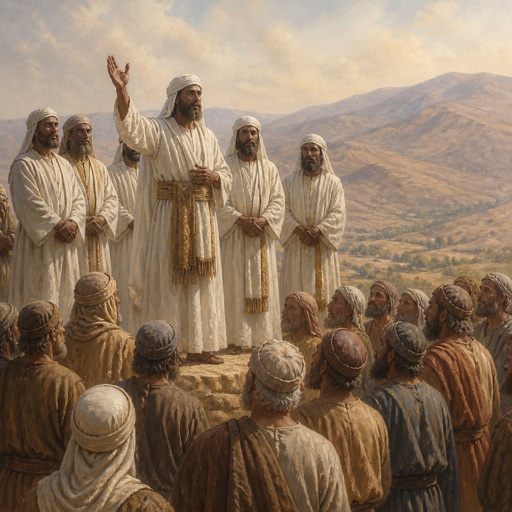
"¶ And the Levites shall speak, and say unto all the men of Israel with a loud voice," - Deuteronomy 27:14

Deuteronomy 14:14 - "And every raven after his kind,"

Deuteronomy 27:11 - "¶ And Moses charged the people the same day, saying,"

Deuteronomy 27:8 - "And thou shalt write upon the stones all the words of this law very plainly."

Deuteronomy 22:27 - "For he found her in the field, and the betrothed damsel cried, and there was none to save her."
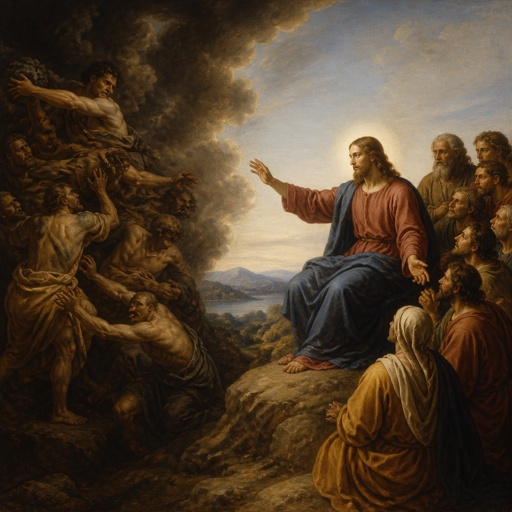
Mattere 14:27
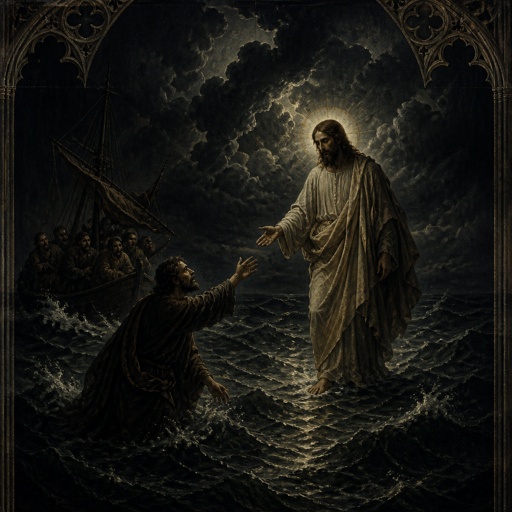
Matthew 14:27
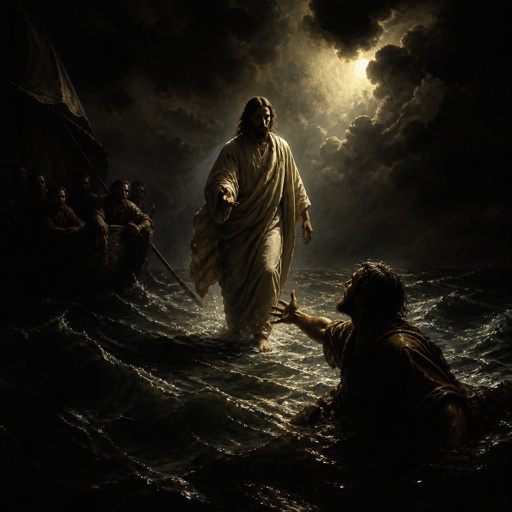
Matthew 14:27
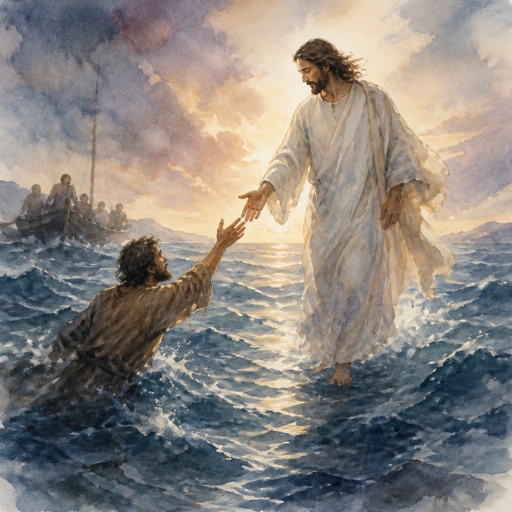
Matthew 14:27

Deuteronomy 27:21 - "Cursed be he that lieth with any manner of beast. And all the people shall say, Amen."

Deuteronomy 29:27 - "And the anger of the LORD was kindled against this land, to bring upon it all the curses that are written in this book:"

Deuteronomy 27:17 - "Cursed be he that removeth his neighbour's landmark. And all the people shall say, Amen."

Deuteronomy 27:24 - "Cursed be he that smiteth his neighbour secretly. And all the people shall say, Amen."

Deuteronomy 27:23 - "Cursed be he that lieth with his mother in law. And all the people shall say, Amen."

Deuteronomy 14:17 - "And the pelican, and the gier eagle, and the cormorant,"

"And every raven after his kind," - Deuteronomy 14:14

Deuteronomy 28:27 - "The LORD will smite thee with the botch of Egypt, and with the emerods, and with the scab, and with the itch, whereof thou canst not be healed."

Deuteronomy 27:19 - "Cursed be he that perverteth the judgment of the stranger, fatherless, and widow. And all the people shall say, Amen."

Deuteronomy 11:27 - "A blessing, if ye obey the commandments of the LORD your God, which I command you this day:"

Deuteronomy 27:18 - "Cursed be he that maketh the blind to wander out of the way. And all the people shall say, Amen."

Deuteronomy 14:16 - "The little owl, and the great owl, and the swan,"

1 Samuel 14:27

Deuteronomy 27:7 - "And thou shalt offer peace offerings, and shalt eat there, and rejoice before the LORD thy God."

Deuteronomy 27:13 - "And these shall stand upon mount Ebal to curse; Reuben, Gad, and Asher, and Zebulun, Dan, and Naphtali."

Deuteronomy 27:25 - "Cursed be he that taketh reward to slay an innocent person. And all the people shall say, Amen."

Deuteronomy 27:26 - "Cursed be he that confirmeth not all the words of this law to do them. And all the people shall say, Amen."

Deuteronomy 27:16 - "Cursed be he that setteth light by his father or his mother. And all the people shall say, Amen."