What does Deuteronomy 14:28 mean?
“At the end of three years thou shalt bring forth all the tithe of thine increase the same year, and shalt lay it up within thy gates:” — Deuteronomy 14:28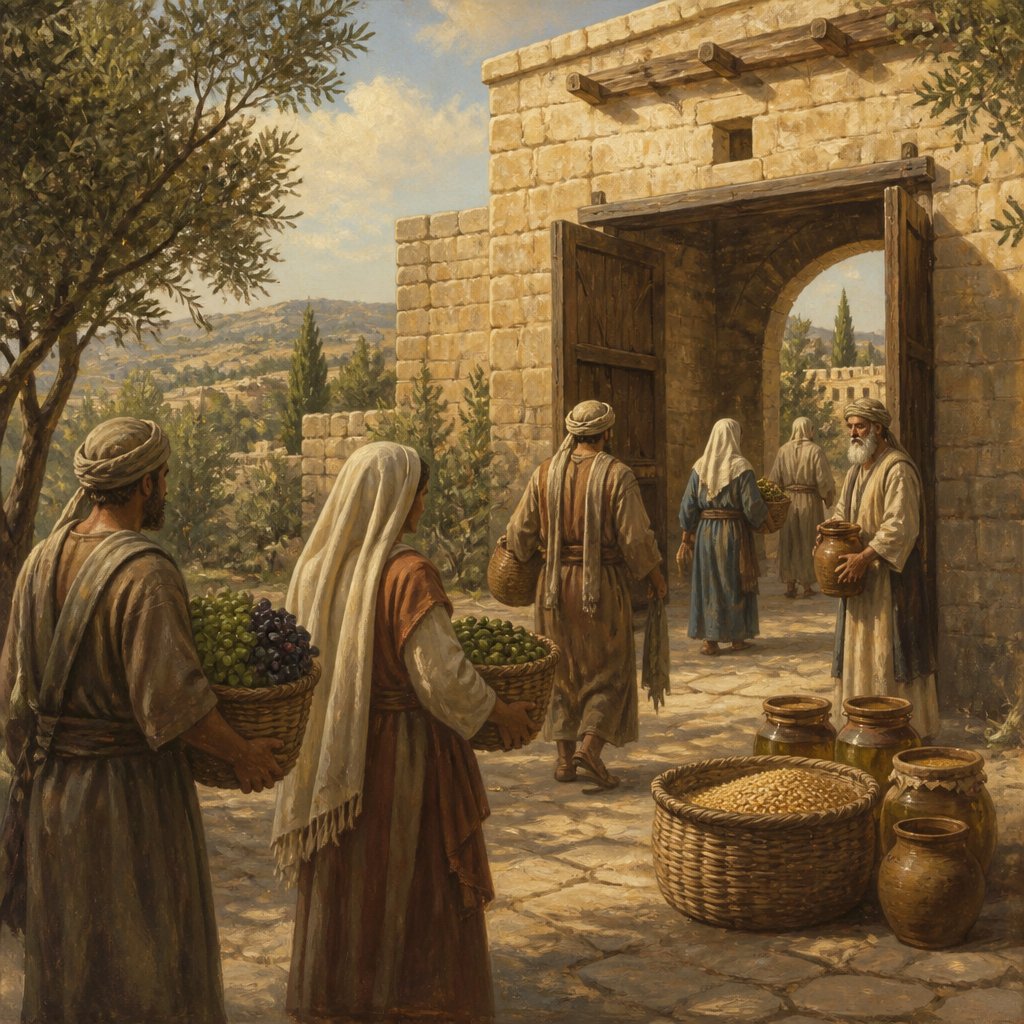
Deuteronomy 14:28 (KJV) states, "At the end of three years thou shalt bring forth all the tithe of thine increase the same year, and shalt lay it up within thy gates."
This verse comes from the book of Deuteronomy in the Old Testament of the Bible. It is a continuation of the laws and statutes given to the Israelites by Moses as they prepared to enter the Promised Land. In this particular verse, God instructs the Israelites to bring forth the tithe of their increase at the end of every third year and lay it up within their gates.
The concept of tithing, which is the giving of a tenth of one's income to the Lord, is prevalent throughout the Bible. In this verse, the Israelites are commanded to bring forth their tithe of the increase of their fields, crops, and livestock at the end of every three years. This tithe is to be used for the maintenance of the Levites, who were the priests and ministers of the Israelites, as they did not receive a portion of land for inheritance like the other tribes of Israel. The tithe was also used to support the fatherless, widows, and foreigners within the community.
The significance of the three-year cycle is worth noting. In ancient agricultural societies, crop yields would fluctuate from year to year due to various factors such as weather conditions and pests. By requiring the tithe to be brought forth at the end of every third year, it ensured that the Israelites would not only give consistently but also be mindful of the impact of their generosity over an extended period of time.
The act of laying up the tithe within their gates also carries symbolic meaning. By keeping the tithe within their own communities, the Israelites were reminded of their responsibility to care for those in need among them. It also fostered a sense of accountability and communal support, as everyone would be aware of the tithe and its purpose.
This verse also emphasizes the importance of generosity and stewardship in the lives of the Israelites. It teaches them to acknowledge God as the ultimate provider of their increase and to give back a portion of what they have received. It also underscores the value of caring for the vulnerable members of society, such as the Levites, the fatherless, widows, and foreigners.
From a spiritual perspective, this verse serves as a reminder for believers to be faithful in their giving and to prioritize the needs of others. It encourages a mindset of abundance rather than scarcity, trusting that God will continue to bless and provide for those who are obedient in their stewardship.
In a broader sense, the principle of tithing and caring for the less fortunate is a timeless and universal truth that transcends the cultural and historical context of the Israelites. It serves as a moral and ethical guideline for all believers to be mindful of the needs of others and to actively participate in acts of charity and justice.
In conclusion, Deuteronomy 14:28 (KJV) carries significant meaning and relevance for believers today. It underscores the importance of tithing, stewardship, and caring for the vulnerable within a community. The principles outlined in this verse serve as a practical and spiritual guide for believers to cultivate a generous and compassionate heart in their relationship with God and others.
Get our apps


Artwork for Deuteronomy 14:28
Deuteronomy 14:28 - "¶ At the end of three years thou shalt bring forth all the tithe of thine increase the same year, and shalt lay it up within thy gates:"

Deuteronomy 14:28-29 - "At the end of every three years, bring all the tithes of that year’s produce and store it in your towns, so that the Levites (who have no allotment or inheritance of their own) and the foreigners, the fatherless and the widows who live in your towns may come and eat and be satisfied, and so that the LORD your God may bless you in all the work of your hands."
"¶ At the end of three years thou shalt bring forth all the tithe of thine increase the same year, and shalt lay it up within thy gates:" - Deuteronomy 14:28
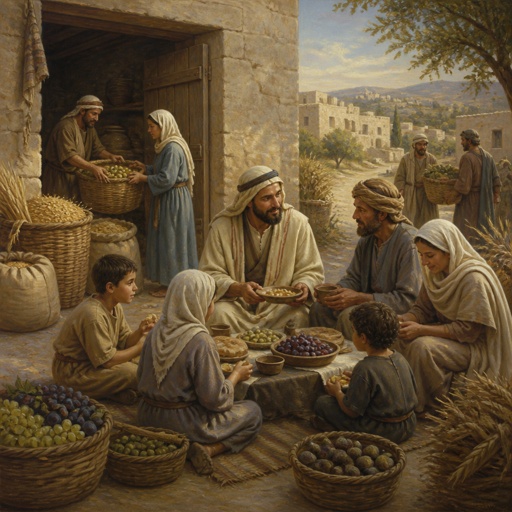
"At the end of every three years, bring all the tithes of that year’s produce and store it in your towns, so that the Levites (who have no allotment or inheritance of their own) and the foreigners, the fatherless and the widows who live in your towns may come and eat and be satisfied, and so that the LORD your God may bless you in all the work of your hands." - Deuteronomy 14:28-29

Deuteronomy 28:14 - "And thou shalt not go aside from any of the words which I command thee this day, to the right hand, or to the left, to go after other gods to serve them."

Deuteronomy 28:28 - "The LORD shall smite thee with madness, and blindness, and astonishment of heart:"

Deuteronomy 28:5 - "Blessed shall be thy basket and thy store."

Deuteronomy 14:14 - "And every raven after his kind,"

Deuteronomy 28:17 - "Cursed shall be thy basket and thy store."

Deuteronomy 32:28 - "For they are a nation void of counsel, neither is there any understanding in them."

"The LORD shall smite thee with madness, and blindness, and astonishment of heart:" - Deuteronomy 28:28

Deuteronomy 28:16 - "Cursed shalt thou be in the city, and cursed shalt thou be in the field."

Deuteronomy 28:3 - "Blessed shalt thou be in the city, and blessed shalt thou be in the field."

Deuteronomy 28:42 - "All thy trees and fruit of thy land shall the locust consume."

Deuteronomy 28:46 - "And they shall be upon thee for a sign and for a wonder, and upon thy seed for ever."

Genesis 28-14

John 14:28

Deuteronomy 28:34 - "So that thou shalt be mad for the sight of thine eyes which thou shalt see."

Deuteronomy 14:17 - "And the pelican, and the gier eagle, and the cormorant,"

Deuteronomy 22:28 - "¶ If a man find a damsel that is a virgin, which is not betrothed, and lay hold on her, and lie with her, and they be found;"

Deuteronomy 28:27 - "The LORD will smite thee with the botch of Egypt, and with the emerods, and with the scab, and with the itch, whereof thou canst not be healed."

Deuteronomy 28:23 - "And thy heaven that is over thy head shall be brass, and the earth that is under thee shall be iron."

Deuteronomy 28:41 - "Thou shalt beget sons and daughters, but thou shalt not enjoy them; for they shall go into captivity."

"And every raven after his kind," - Deuteronomy 14:14
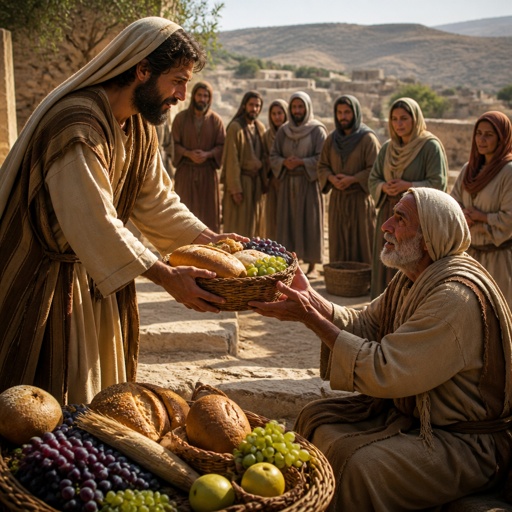
Deut 14:28-29

Deuteronomy 28:47 - "Because thou servedst not the LORD thy God with joyfulness, and with gladness of heart, for the abundance of all things;"

Deuteronomy 28:50 - "A nation of fierce countenance, which shall not regard the person of the old, nor shew favour to the young:"

Deuteronomy 14:16 - "The little owl, and the great owl, and the swan,"

Deuteronomy 28:19 - "Cursed shalt thou be when thou comest in, and cursed shalt thou be when thou goest out."

Acts 14:28 - "And there they abode long time with the disciples."