What does Deuteronomy 15:6 mean?
"For the LORD thy God blesseth thee, as he promised thee: and thou shalt lend unto many nations, but thou shalt not borrow; and thou shalt reign over many nations, but they shall not reign over thee." - Deuteronomy 15:6
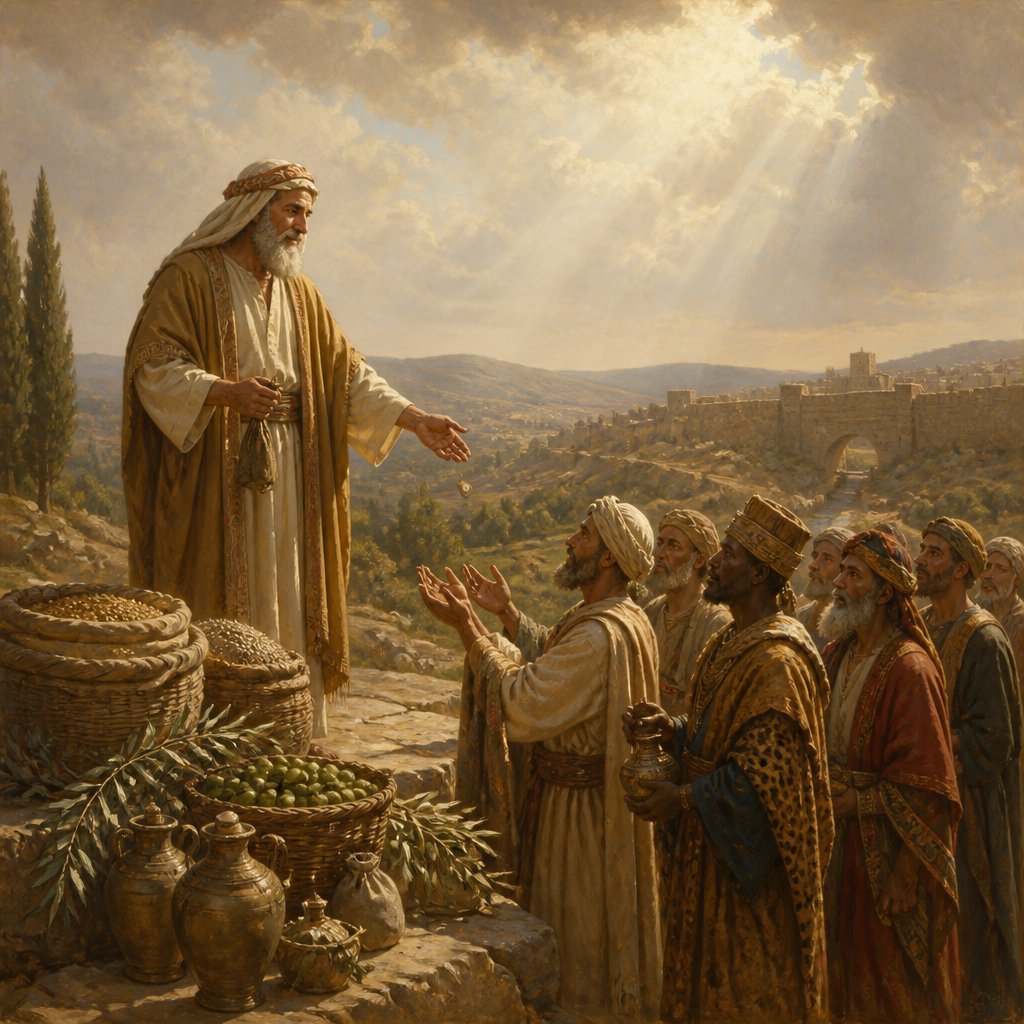
The verse Deuteronomy 15:6 from the King James Version of the Bible reads, "For the Lord thy God blesseth thee, as he promised thee: and thou shalt lend unto many nations, but thou shalt not borrow; and thou shalt reign over many nations, but they shall not reign over thee." This verse is from the Book of Deuteronomy, which is the fifth book of the Hebrew Bible and the Christian Old Testament. It is part of the larger body of law and instruction given to the Israelites by Moses before they entered the Promised Land.
In this verse, God is promising to bless the Israelites abundantly, as he had promised. This blessing includes the ability to lend to other nations without needing to borrow from them, and to reign over many nations without being subject to their rule. The promise of economic prosperity and national sovereignty is framed within the broader context of the covenant between God and the Israelites, in which God promises to bless and protect his chosen people if they obey his commandments and remain faithful to him.
One of the key themes of this verse is the idea of divine blessing and provision. Throughout the Bible, God is portrayed as a faithful and generous provider for his people. In this verse, God's blessing is depicted in terms of economic abundance and political power. The Israelites are promised not only material wealth, but also the ability to exercise authority over other nations without being subjugated by them. This promise reflects the Israelites' status as God's chosen people, set apart and elevated above other nations through God's favor.
The concept of lending to other nations without borrowing from them carries a symbolic weight as well. It represents the idea of self-sufficiency and independence, as well as the ability to be a source of blessing to others. In the ancient Near Eastern context in which the Israelites lived, the ability to lend to other nations would have been a sign of prestige and power. By promising this ability to the Israelites, God is affirming their special status as his favored people.
Likewise, the promise of reigning over many nations without being subject to their rule reflects the theme of divine protection and sovereignty. The Israelites are assured that they will be able to exercise authority and leadership in the world without fear of being dominated by other nations. This promise reinforces the idea of God's faithfulness to his covenant with the Israelites and his commitment to their well-being and success.
The broader context of the Book of Deuteronomy is important for understanding the significance of this verse. Throughout the book, Moses reminds the Israelites of the terms of the covenant that God has made with them and calls on them to remain faithful to God and his commandments. The promises of blessing and prosperity, including the verse in question, are offered as incentives for the Israelites to obey God and remain loyal to him.
In addition to its direct meaning for the ancient Israelites, this verse has been interpreted symbolically and theologically by later Jewish and Christian traditions. In Christian theology, for example, the promise of blessing and abundance in this verse has been seen as a foreshadowing of the spiritual blessings that believers receive through Christ. The idea of reigning over nations without being subject to them has been understood as representing the believer's victory over sin and death through Christ's salvation.
Overall, Deuteronomy 15:6 is a powerful affirmation of God's faithfulness and provision for his people. It promises not only material blessing and prosperity, but also a sense of security and protection that comes from being in a covenant relationship with God. The verse encourages the Israelites to trust in God's promises and to remain obedient to his commandments, knowing that they will be sustained and blessed by God's grace. This message of faithfulness, blessing, and sovereignty continues to resonate with readers of the Bible today, offering hope and encouragement to all who seek to serve and obey God.
Have questions about Deuteronomy 15:6?
Dive deeper into this scripture with Bible Chat — an AI-powered tool for exploring God's Word through conversation. Ask questions, get context, and grow in your understanding of the Bible.
Get Our Apps


Deuteronomy 15:6 Artwork

Deuteronomy 15:6 - "For the LORD thy God blesseth thee, as he promised thee: and thou shalt lend unto many nations, but thou shalt not borrow; and thou shalt reign over many nations, but they shall not reign over thee."
"For the LORD thy God blesseth thee, as he promised thee: and thou shalt lend unto many nations, but thou shalt not borrow; and thou shalt reign over many nations, but they shall not reign over thee." - Deuteronomy 15:6

Deuteronomy 6:15 - "(For the LORD thy God is a jealous God among you) lest the anger of the LORD thy God be kindled against thee, and destroy thee from off the face of the earth."

Deuteronomy 6:6 - "And these words, which I command thee this day, shall be in thine heart:"

Deuteronomy 3:15 - "And I gave Gilead unto Machir."

Deuteronomy 34:5-6

Deuteronomy 15:1 - "At the end of every seven years thou shalt make a release."

Deuteronomy 14:15 - "And the owl, and the night hawk, and the cuckow, and the hawk after his kind,"

Deuteronomy 33:15 - "And for the chief things of the ancient mountains, and for the precious things of the lasting hills,"

Deuteronomy 15:15 - "And thou shalt remember that thou wast a bondman in the land of Egypt, and the LORD thy God redeemed thee: therefore I command thee this thing to day."

Deuteronomy 6:4 - "Hear, O Israel: The LORD our God is one LORD:"

Deuteronomy 31:15 - "And the LORD appeared in the tabernacle in a pillar of a cloud: and the pillar of the cloud stood over the door of the tabernacle."

Deuteronomy 11:15 - "And I will send grass in thy fields for thy cattle, that thou mayest eat and be full."

Deuteronomy 30:15 - "¶ See, I have set before thee this day life and good, and death and evil;"

Deuteronomy 33:6 - "¶ Let Reuben live, and not die; and let not his men be few."

Deuteronomy 15:23 - "Only thou shalt not eat the blood thereof; thou shalt pour it upon the ground as water."

"And I gave Gilead unto Machir." - Deuteronomy 3:15

Deuteronomy 23:6 - "Thou shalt not seek their peace nor their prosperity all thy days for ever."

Deuteronomy 15:3 - "Of a foreigner thou mayest exact it again: but that which is thine with thy brother thine hand shall release;"

Deuteronomy 2:15 - "For indeed the hand of the LORD was against them, to destroy them from among the host, until they were consumed."

Deuteronomy 6:16 - "¶ Ye shall not tempt the LORD your God, as ye tempted him in Massah."

Deuteronomy 6:9 - "And thou shalt write them upon the posts of thy house, and on thy gates."

Deuteronomy 23:15 - "¶ Thou shalt not deliver unto his master the servant which is escaped from his master unto thee:"

Deuteronomy 6:19 - "To cast out all thine enemies from before thee, as the LORD hath spoken."

Deuteronomy 26:6 - "And the Egyptians evil entreated us, and afflicted us, and laid upon us hard bondage:"

Deuteronomy 29:15 - "But with him that standeth here with us this day before the LORD our God, and also with him that is not here with us this day:"

Deuteronomy 15:22 - "Thou shalt eat it within thy gates: the unclean and the clean person shall eat it alike, as the roebuck, and as the hart."
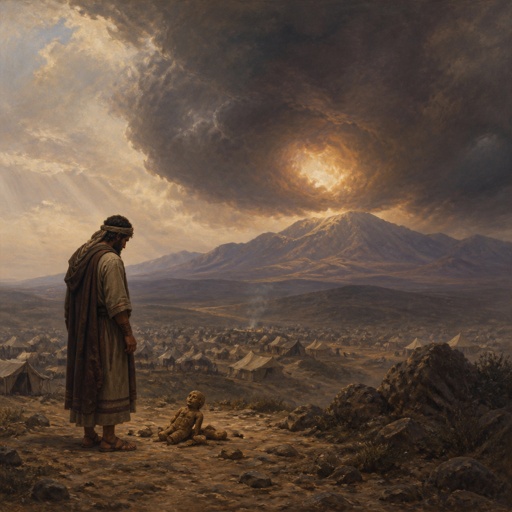
"(For the LORD thy God is a jealous God among you) lest the anger of the LORD thy God be kindled against thee, and destroy thee from off the face of the earth." - Deuteronomy 6:15

"And these words, which I command thee this day, shall be in thine heart:" - Deuteronomy 6:6

Deuteronomy 15:13 - "And when thou sendest him out free from thee, thou shalt not let him go away empty:"