What does Deuteronomy 15:19 mean?
"All the firstling males that come of thy herd and of thy flock thou shalt sanctify unto the LORD thy God: thou shalt do no work with the firstling of thy bullock, nor shear the firstling of thy sheep." - Deuteronomy 15:19
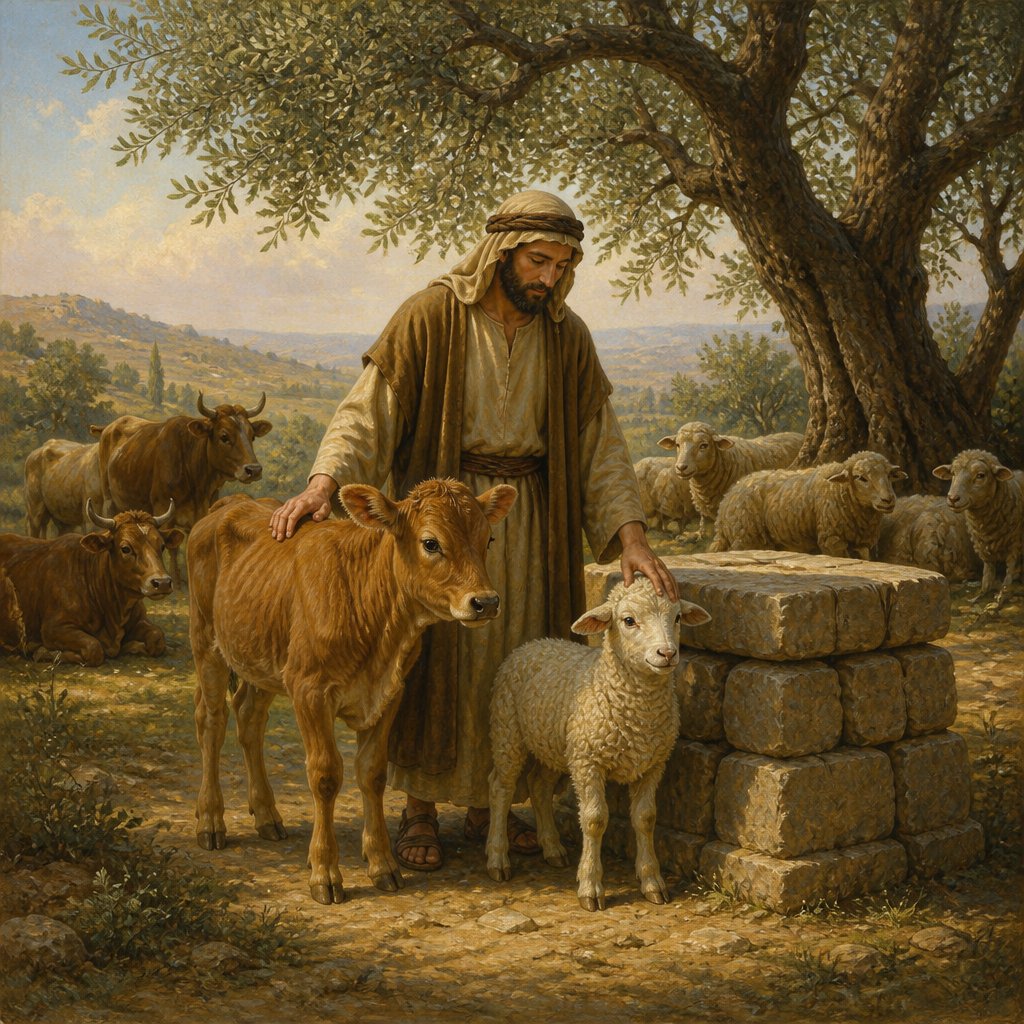
Deuteronomy 15:19 in the King James Version of the Bible says, "All the firstling males that come of thy herd and of thy flock thou shalt sanctify unto the Lord thy God: thou shalt do no work with the firstling of thy bullock, nor shear the firstling of thy sheep."
This verse is a part of the book of Deuteronomy, which is the fifth book of the Hebrew Bible and of the Old Testament. It contains the final speech of Moses to the Israelites before they enter the Promised Land. The book is primarily a set of laws and rituals for the Israelites to follow in order to ensure their obedience and loyalty to God. The verse emphasizes the importance of dedicating the best of what one has to God and refraining from using it for personal gain.
The theme of the verse is centered around the concept of sacrifice and consecration to God. The phrase "thou shalt sanctify unto the Lord thy God" emphasizes the idea that the firstborn animals should be set apart and dedicated to the service of God. This act demonstrates the Israelites' acknowledgment of God's sovereignty and their willingness to give up their best for His glory. It also serves as a reminder that all good things come from God and should be offered back to Him as a form of gratitude and obedience.
Furthermore, the prohibition against working or shearing the firstborn animals symbolizes the Israelites' trust in God's provision. By refraining from using the firstborn animals for their own purposes, the Israelites demonstrate their belief that God will continue to provide for their needs. This act of faith and dependence on God is a recurring theme throughout the Bible, emphasizing the importance of putting one's trust in God rather than relying solely on one's own efforts.
Additionally, the verse serves as a reminder of the Israelites' covenant with God. By sanctifying the firstborn animals, the Israelites renew their commitment to follow God's laws and honor Him with their possessions. This act reinforces the mutual obligation between God and His people, in which God promises to bless and protect the Israelites, and the Israelites agree to obey and worship God faithfully.
The broader context of Deuteronomy 15:19 is also significant in understanding its meaning. The verse is situated within a larger passage that outlines various regulations concerning the treatment of the firstborn animals, including the offering of sacrifices and the sharing of the meat with the Levites and the needy. These regulations were designed to cultivate a spirit of generosity and compassion among the Israelites, as well as to ensure that the priests and the less fortunate were provided for.
In conclusion, Deuteronomy 15:19 is a verse that emphasizes the themes of sacrifice, consecration, trust, and covenant in the context of the Israelites' relationship with God. It serves as a reminder of the importance of dedicating one's best to God, trusting in His provision, and honoring the covenant between God and His people. Through these principles, the verse invites believers to reflect on their own attitudes towards giving and serving God wholeheartedly.
Have questions about Deuteronomy 15:19?
Dive deeper into this scripture with Bible Chat — an AI-powered tool for exploring God's Word through conversation. Ask questions, get context, and grow in your understanding of the Bible.
Get Our Apps


Deuteronomy 15:19 Artwork

Deuteronomy 15:19 - "¶ All the firstling males that come of thy herd and of thy flock thou shalt sanctify unto the LORD thy God: thou shalt do no work with the firstling of thy bullock, nor shear the firstling of thy sheep."
"¶ All the firstling males that come of thy herd and of thy flock thou shalt sanctify unto the LORD thy God: thou shalt do no work with the firstling of thy bullock, nor shear the firstling of thy sheep." - Deuteronomy 15:19
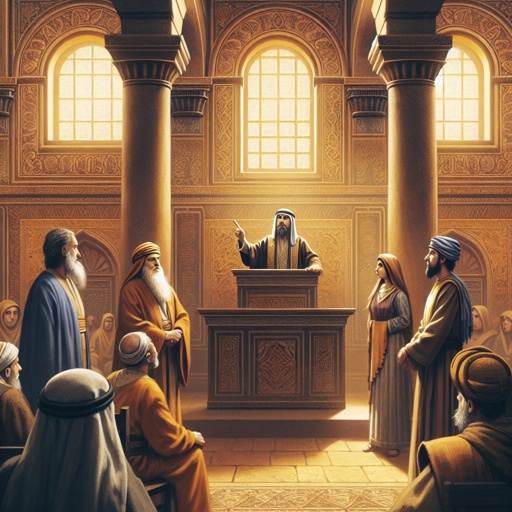
Deuteronomy 19:15 - "¶ One witness shall not rise up against a man for any iniquity, or for any sin, in any sin that he sinneth: at the mouth of two witnesses, or at the mouth of three witnesses, shall the matter be established."

Deuteronomy 30:19:

Deuteronomy 5:19 - "Neither shalt thou steal."

Deuteronomy 3:15 - "And I gave Gilead unto Machir."

Deuteronomy 10:19 - "Love ye therefore the stranger: for ye were strangers in the land of Egypt."

Deuteronomy 14:19 - "And every creeping thing that flieth is unclean unto you: they shall not be eaten."

Deuteronomy 14:15 - "And the owl, and the night hawk, and the cuckow, and the hawk after his kind,"

Deuteronomy 15:1 - "At the end of every seven years thou shalt make a release."

Genesis 15:19

Deuteronomy 33:15 - "And for the chief things of the ancient mountains, and for the precious things of the lasting hills,"

Genesis 19-15

Deuteronomy 19:7 - "Wherefore I command thee, saying, Thou shalt separate three cities for thee."

Deuteronomy 6:19 - "To cast out all thine enemies from before thee, as the LORD hath spoken."

"Neither shalt thou steal." - Deuteronomy 5:19

Deuteronomy 15:15 - "And thou shalt remember that thou wast a bondman in the land of Egypt, and the LORD thy God redeemed thee: therefore I command thee this thing to day."

Deuteronomy 19:16 - "¶ If a false witness rise up against any man to testify against him that which is wrong;"

Deuteronomy 27:19 - "Cursed be he that perverteth the judgment of the stranger, fatherless, and widow. And all the people shall say, Amen."

Deuteronomy 19:19 - "Then shall ye do unto him, as he had thought to have done unto his brother: so shalt thou put the evil away from among you."

Deuteronomy 12:19 - "Take heed to thyself that thou forsake not the Levite as long as thou livest upon the earth."

Genesis 15:19 - "The Kenites, and the Kenizzites, and the Kadmonites,"

Deuteronomy 28:19 - "Cursed shalt thou be when thou comest in, and cursed shalt thou be when thou goest out."

Deuteronomy 32:19 - "And when the LORD saw it, he abhorred them, because of the provoking of his sons, and of his daughters."

John 21:15-19

Luke 21:15-19

Deuteronomy 31:15 - "And the LORD appeared in the tabernacle in a pillar of a cloud: and the pillar of the cloud stood over the door of the tabernacle."

Deuteronomy 11:15 - "And I will send grass in thy fields for thy cattle, that thou mayest eat and be full."

Deuteronomy 30:15 - "¶ See, I have set before thee this day life and good, and death and evil;"

Deuteronomy 15:23 - "Only thou shalt not eat the blood thereof; thou shalt pour it upon the ground as water."