What does Deuteronomy 15:2 mean?
“And this is the manner of the release: Every creditor that lendeth ought unto his neighbour shall release it; he shall not exact it of his neighbour, or of his brother; because it is called the LORD’s release.” — Deuteronomy 15:2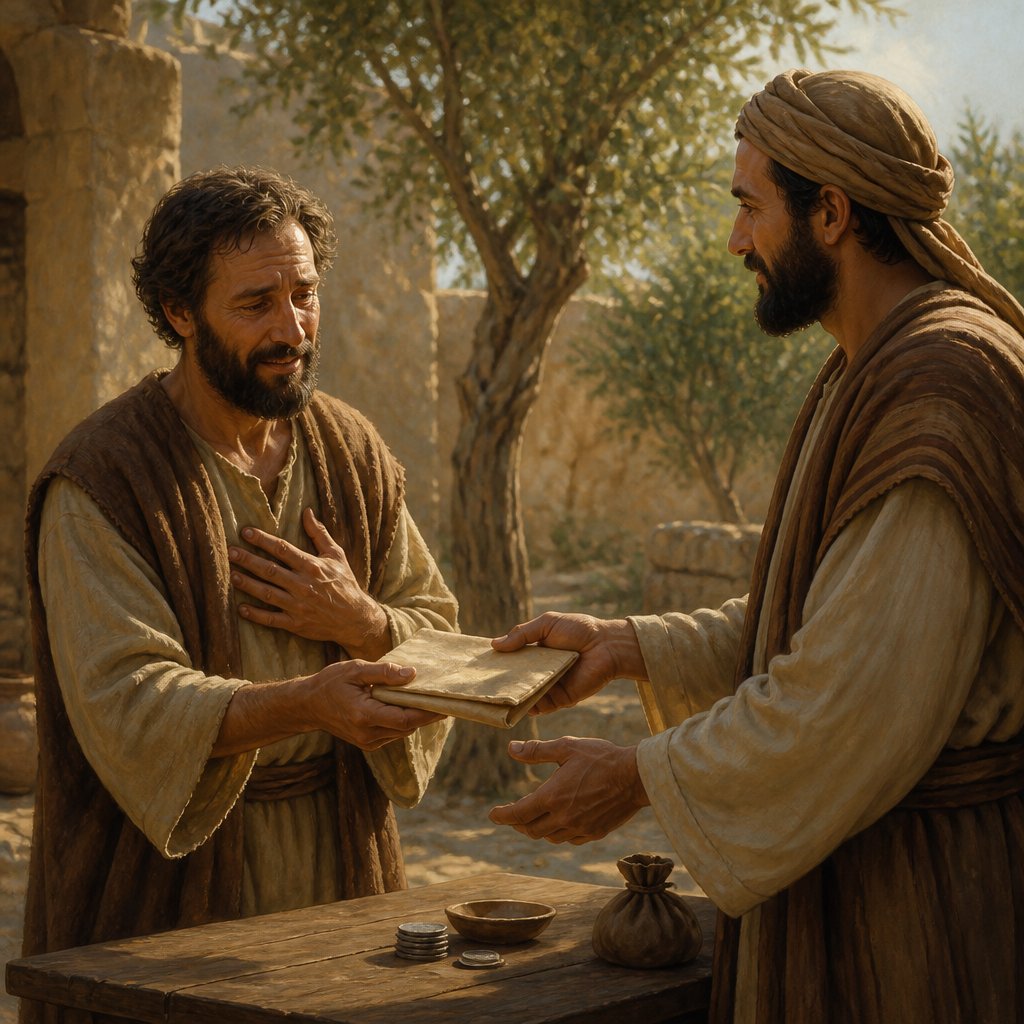
Deuteronomy 15:2 - "And this is the manner of the release: Every creditor that lendeth ought unto his neighbour shall release it; he shall not exact it of his neighbour, or of his brother; because it is called the Lord's release."
The book of Deuteronomy is the fifth book of the Hebrew Bible and is part of the Jewish Torah. The word "Deuteronomy" means "second law," which indicates that this book contains the repetition and explanation of the laws given to the Israelites. This verse finds itself in the midst of laws and regulations concerning the release of debts and the treatment of the poor.
The verse reflects the concept of the Sabbatical year, which is a recurring theme in the book of Deuteronomy. According to the Mosaic Law, every seventh year was designated as a Sabbatical year, during which debts were to be released, and the Israelites were to let their fields lie fallow. This Sabbatical year was, in a sense, a sign of trust in God's provision, as the people were expected to rely on Him for sustenance during that time.
The verse emphasizes the importance of generosity and forgiveness. It instructs creditors to release their fellow Israelites from their debts and not to demand repayment. This act of releasing debts was a way of showing mercy and compassion towards those who were struggling financially. It was also a recognition that all possessions ultimately belonged to God, and it was the duty of the people to act as stewards of God's resources.
The theme of release and freedom is also significant in this verse. By releasing the debts, creditors were providing their debtors with the opportunity for a fresh start and a release from the burden of their financial obligations. This act of release reflects the idea of freedom, both in a material and a spiritual sense. The release of debts symbolizes the freedom from bondage and the opportunity for a new beginning.
The verse also emphasizes the idea of community and brotherhood. The creditors are instructed not to exact repayment from their neighbors or brothers, highlighting the importance of mutual support and care within the community. This communal responsibility is a key theme throughout the book of Deuteronomy, as it emphasizes the need for the Israelites to love and care for one another.
From a symbolic perspective, this verse can be interpreted as a reflection of God's grace and mercy towards His people. Just as the creditors are instructed to release debts, God extends His forgiveness and grace to His people. The act of release represents the restoration and reconciliation that God offers to His children, emphasizing the themes of redemption and salvation.
In a broader context, this verse can be seen as a reflection of the principles of justice and compassion. It highlights the importance of caring for the less fortunate and providing opportunities for those in need to experience freedom and restoration. It also emphasizes the idea of living in harmony with one another and showing love and compassion towards our neighbors.
In conclusion, Deuteronomy 15:2 carries rich thematic and symbolic significance within the broader context of the book of Deuteronomy and the Bible as a whole. It communicates the importance of generosity, forgiveness, and community, reflecting God's grace and mercy towards His people. The verse serves as a timeless reminder of the values of justice and compassion and the call to live in love and harmony with one another.
Get our apps


Artwork for Deuteronomy 15:2

Deuteronomy 15:2 - "And this is the manner of the release: Every creditor that lendeth ought unto his neighbour shall release it; he shall not exact it of his neighbour, or of his brother; because it is called the LORD'S release."
"And this is the manner of the release: Every creditor that lendeth ought unto his neighbour shall release it; he shall not exact it of his neighbour, or of his brother; because it is called the LORD'S release." - Deuteronomy 15:2

Deuteronomy 2:15 - "For indeed the hand of the LORD was against them, to destroy them from among the host, until they were consumed."

Deuteronomy 3:15 - "And I gave Gilead unto Machir."
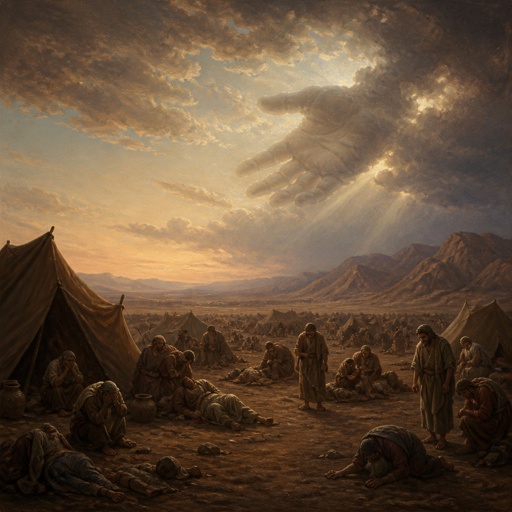
"For indeed the hand of the LORD was against them, to destroy them from among the host, until they were consumed." - Deuteronomy 2:15

Deuteronomy 14:15 - "And the owl, and the night hawk, and the cuckow, and the hawk after his kind,"

Deuteronomy 15:1 - "At the end of every seven years thou shalt make a release."

Deuteronomy 33:15 - "And for the chief things of the ancient mountains, and for the precious things of the lasting hills,"

Deuteronomy 15:15 - "And thou shalt remember that thou wast a bondman in the land of Egypt, and the LORD thy God redeemed thee: therefore I command thee this thing to day."

Deuteronomy 31:15 - "And the LORD appeared in the tabernacle in a pillar of a cloud: and the pillar of the cloud stood over the door of the tabernacle."

Deuteronomy 11:15 - "And I will send grass in thy fields for thy cattle, that thou mayest eat and be full."

Deuteronomy 30:15 - "¶ See, I have set before thee this day life and good, and death and evil;"

Deuteronomy 2:2 - "And the LORD spake unto me, saying,"

Deuteronomy 15:23 - "Only thou shalt not eat the blood thereof; thou shalt pour it upon the ground as water."

"And I gave Gilead unto Machir." - Deuteronomy 3:15

Deuteronomy 15:3 - "Of a foreigner thou mayest exact it again: but that which is thine with thy brother thine hand shall release;"

Deuteronomy 23:15 - "¶ Thou shalt not deliver unto his master the servant which is escaped from his master unto thee:"

Deuteronomy 29:15 - "But with him that standeth here with us this day before the LORD our God, and also with him that is not here with us this day:"

Deuteronomy 15:22 - "Thou shalt eat it within thy gates: the unclean and the clean person shall eat it alike, as the roebuck, and as the hart."

Deuteronomy 15:13 - "And when thou sendest him out free from thee, thou shalt not let him go away empty:"

Deuteronomy 22:15 - "Then shall the father of the damsel, and her mother, take and bring forth the tokens of the damsel's virginity unto the elders of the city in the gate:"

Deuteronomy 20:15 - "Thus shalt thou do unto all the cities which are very far off from thee, which are not of the cities of these nations."

Deuteronomy 15:21 - "And if there be any blemish therein, as if it be lame, or blind, or have any ill blemish, thou shalt not sacrifice it unto the LORD thy God."

Deuteronomy 9:15 - "So I turned and came down from the mount, and the mount burned with fire: and the two tables of the covenant were in my two hands."

Deuteronomy 15:20 - "Thou shalt eat it before the LORD thy God year by year in the place which the LORD shall choose, thou and thy household."

Deuteronomy 2:17 - "That the LORD spake unto me, saying,"

Deuteronomy 15:8 - "But thou shalt open thine hand wide unto him, and shalt surely lend him sufficient for his need, in that which he wanteth."

Deuteronomy 15:5 - "Only if thou carefully hearken unto the voice of the LORD thy God, to observe to do all these commandments which I command thee this day."
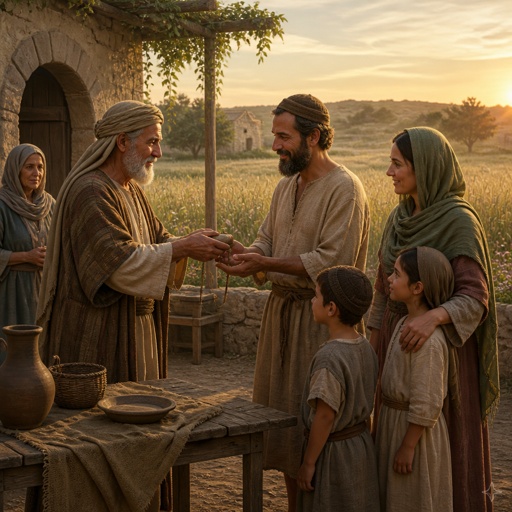
"At the end of every seven years thou shalt make a release." - Deuteronomy 15:1

"And the owl, and the night hawk, and the cuckow, and the hawk after his kind," - Deuteronomy 14:15