What does Deuteronomy 16:21 mean?
“Thou shalt not plant thee a grove of any trees near unto the altar of the LORD thy God, which thou shalt make thee.” — Deuteronomy 16:21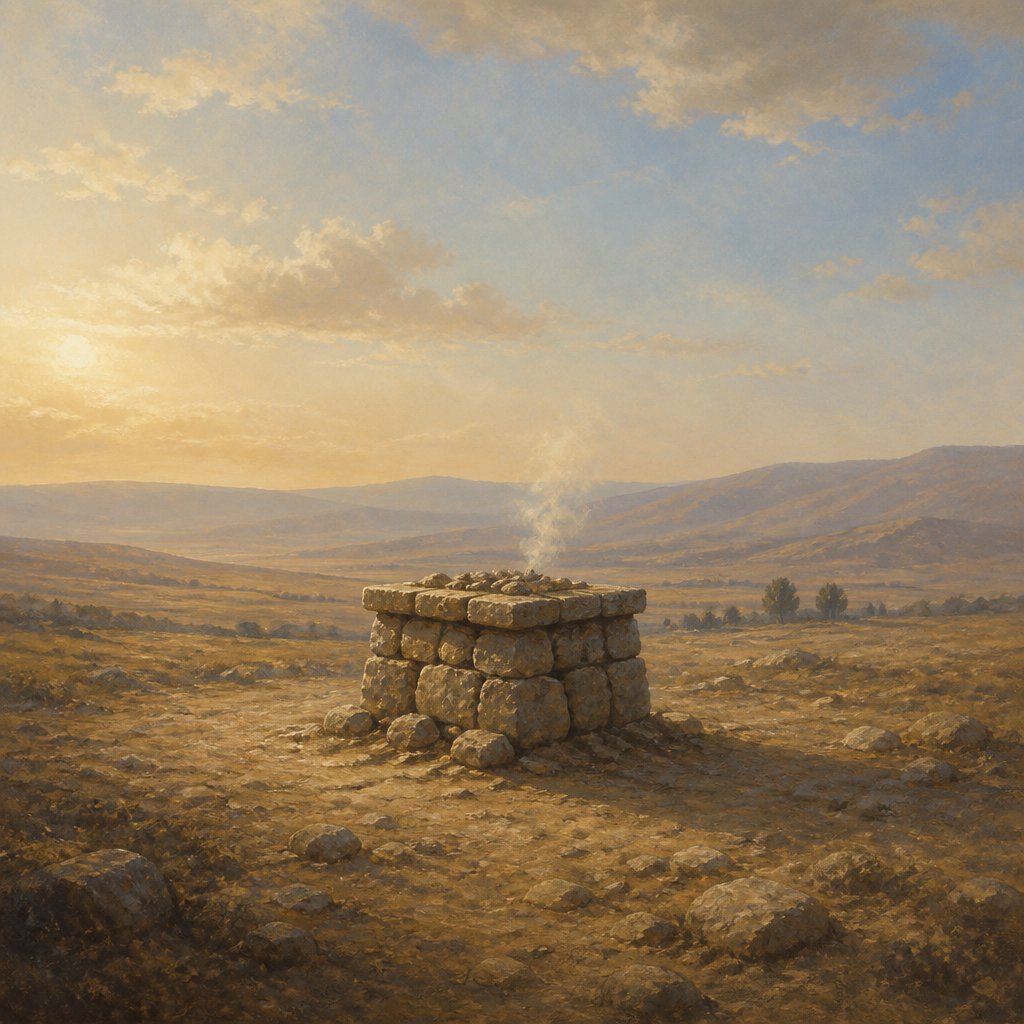
Deuteronomy 16:21 in the King James Version reads, "Thou shalt not plant thee a grove of any trees near unto the altar of the Lord thy God, which thou shalt make thee." This verse is part of a larger passage in the book of Deuteronomy that outlines various laws and regulations for the Israelites as they prepare to enter the Promised Land.
The context of this verse is important in understanding its meaning and significance. The Israelites had been wandering in the wilderness for forty years, and as they approached the Promised Land, God gave them specific instructions for how to live and worship in the land He was giving them. In this particular passage, God is establishing guidelines for the proper worship of Him and the practices that were to be observed at the central place of worship, which would eventually be the temple in Jerusalem.
The command not to plant a grove of trees near the altar of the Lord is rooted in the cultural practices of the surrounding nations at the time. In many ancient cultures, groves of trees were considered sacred spaces and were often associated with fertility cults and idolatrous worship practices. The presence of these groves near the altar of the Lord could potentially lead the Israelites astray and cause them to engage in pagan rituals and idol worship. Therefore, God's command was meant to protect the Israelites from the influences of the surrounding pagan cultures and to ensure that their worship of Him remained pure and undefiled.
The symbolism in this verse is significant as well. The grove of trees can be seen as representing any physical or symbolic elements that might distract or detract from the pure worship and devotion to God. This can be applied to our lives today, as we are often confronted with cultural and societal influences that can lead us away from a genuine relationship with God. The command to not plant a grove of trees near the altar can serve as a reminder to continually evaluate and remove any distractions or influences in our lives that hinder our worship and obedience to God.
Furthermore, the altar itself symbolizes the place of sacrifice and communion with God. The presence of a grove of trees near the altar could disrupt this sacred space and compromise the integrity of worship. God's command serves as a reminder of the importance of maintaining a clear and unhindered connection with Him, free from any outside influences that could lead us away from Him.
In terms of broader themes, this verse emphasizes the importance of obedience and fidelity to God. By following God's command to not plant a grove of trees near the altar, the Israelites were demonstrating their commitment to honoring and worshiping God alone. This theme of exclusive devotion to God is echoed throughout the Bible and serves as a foundational principle for the life of faith.
In conclusion, Deuteronomy 16:21 carries significant meaning and symbolism within its context and larger themes of the Bible. It serves as a reminder of the importance of maintaining pure and undistracted worship and devotion to God, and the dangers of allowing outside influences to compromise our relationship with Him. As we reflect on this verse, we are challenged to evaluate our own lives and ensure that our worship remains pure and undefiled, free from any groves of trees that may hinder our connection with God.
Get our apps


Artwork for Deuteronomy 16:21

Deuteronomy 16:21 - "¶ Thou shalt not plant thee a grove of any trees near unto the altar of the LORD thy God, which thou shalt make thee."
"¶ Thou shalt not plant thee a grove of any trees near unto the altar of the LORD thy God, which thou shalt make thee." - Deuteronomy 16:21

Deuteronomy 21:16 - "Then it shall be, when he maketh his sons to inherit that which he hath, that he may not make the son of the beloved firstborn before the son of the hated, which is indeed the firstborn:"

Deuteronomy 1.1-21

Deuteronomy 20:16

Deuteronomy 20:16

Deuteronomy 20:16

Deuteronomy 14:16 - "The little owl, and the great owl, and the swan,"

Deuteronomy 10:16 - "Circumcise therefore the foreskin of your heart, and be no more stiffnecked."

Deuteronomy 28:16 - "Cursed shalt thou be in the city, and cursed shalt thou be in the field."

Genesis 21-16

Deuteronomy 27:21 - "Cursed be he that lieth with any manner of beast. And all the people shall say, Amen."

Deuteronomy 32:16 - "They provoked him to jealousy with strange gods, with abominations provoked they him to anger."

Deuteronomy 21:21 - "And all the men of his city shall stone him with stones, that he die: so shalt thou put evil away from among you; and all Israel shall hear, and fear."

Deuteronomy 7:21 - "Thou shalt not be affrighted at them: for the LORD thy God is among you, a mighty God and terrible."

Deuteronomy 21:7 - "And they shall answer and say, Our hands have not shed this blood, neither have our eyes seen it."

Deuteronomy 18:21 - "And if thou say in thine heart, How shall we know the word which the LORD hath not spoken?"

Luke 2:16 - 21

Deuteronomy 6:16 - "¶ Ye shall not tempt the LORD your God, as ye tempted him in Massah."

Leviticus 21:16 - "¶ And the LORD spake unto Moses, saying,"

Deuteronomy 21:22 - "¶ And if a man have committed a sin worthy of death, and he be to be put to death, and thou hang him on a tree:"

Deuteronomy 2:21 - "A people great, and many, and tall, as the Anakims; but the LORD destroyed them before them; and they succeeded them, and dwelt in their stead:"

Deuteronomy 21:6 - "And all the elders of that city, that are next unto the slain man, shall wash their hands over the heifer that is beheaded in the valley:"

Deuteronomy 19:16 - "¶ If a false witness rise up against any man to testify against him that which is wrong;"

Deuteronomy 16:12 - "And thou shalt remember that thou wast a bondman in Egypt: and thou shalt observe and do these statutes."

Deuteronomy 12:16 - "Only ye shall not eat the blood; ye shall pour it upon the earth as water."

Deuteronomy 25:16 - "For all that do such things, and all that do unrighteously, are an abomination unto the LORD thy God."
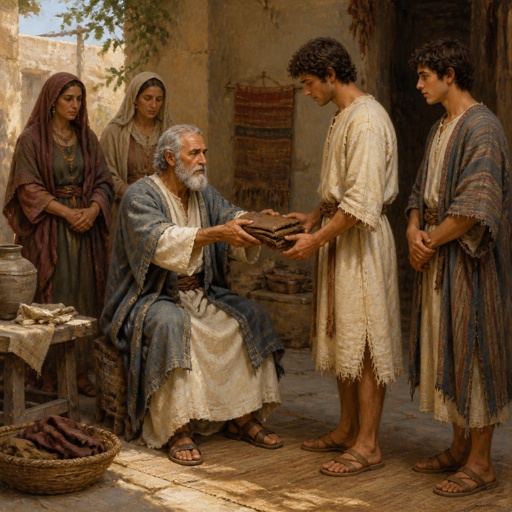
"Then it shall be, when he maketh his sons to inherit that which he hath, that he may not make the son of the beloved firstborn before the son of the hated, which is indeed the firstborn:" - Deuteronomy 21:16

Deuteronomy 24:21 - "When thou gatherest the grapes of thy vineyard, thou shalt not glean it afterward: it shall be for the stranger, for the fatherless, and for the widow."

Deuteronomy 21:12 - "Then thou shalt bring her home to thine house; and she shall shave her head, and pare her nails;"