What does Deuteronomy 16:3 mean?
“Thou shalt eat no leavened bread with it; seven days shalt thou eat unleavened bread therewith, even the bread of affliction; for thou camest forth out of the land of Egypt in haste: that thou mayest remember the day when thou camest forth out of the land of Egypt all the days of thy life.” — Deuteronomy 16:3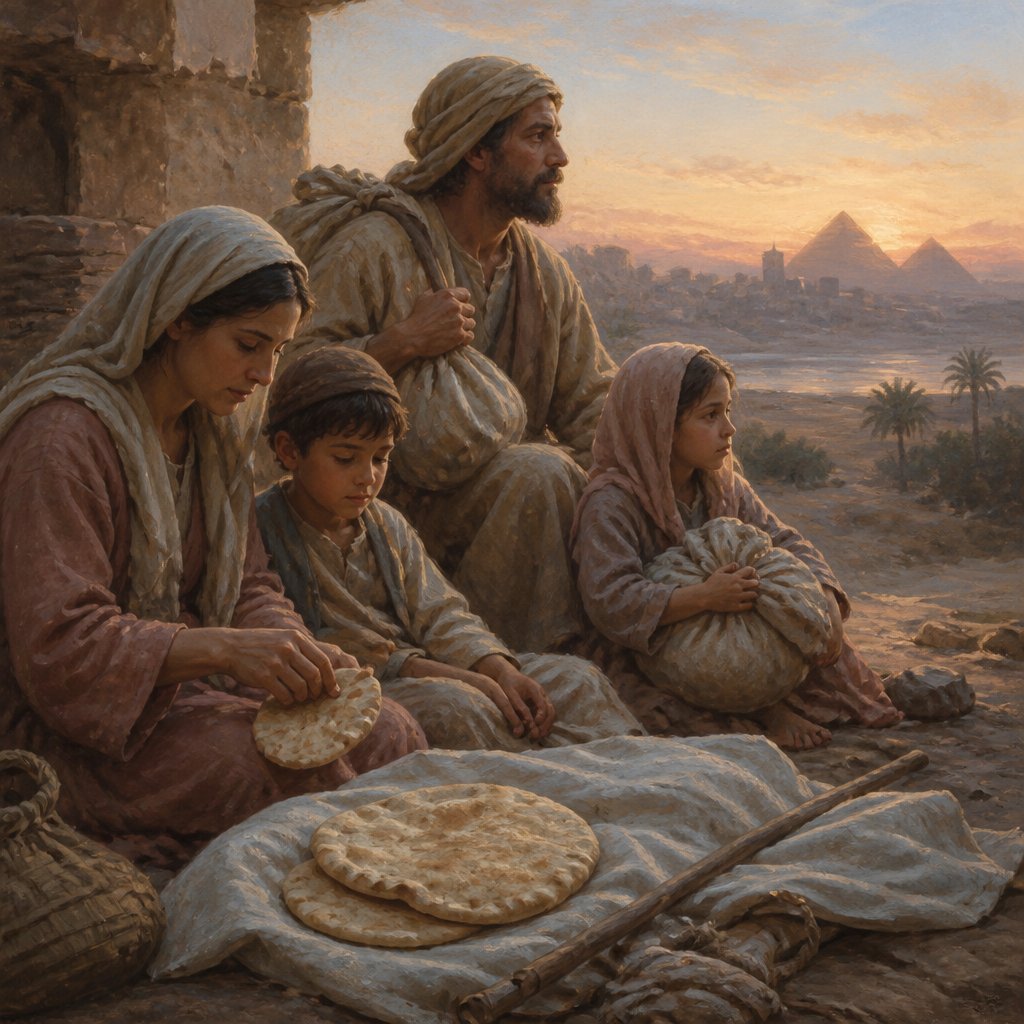
Deuteronomy 16:3 in the King James Version of the Bible reads, "Thou shalt eat no leavened bread with it; seven days shalt thou eat unleavened bread therewith, even the bread of affliction; for thou camest forth out of the land of Egypt in haste: that thou mayest remember the day when thou camest forth out of the land of Egypt all the days of thy life."
This verse is part of the instructions given by Moses to the Israelites regarding the observance of the Feast of Unleavened Bread. The Feast of Unleavened Bread was one of the three pilgrimage festivals in the Israelite calendar, along with the Feast of Passover and the Feast of Tabernacles. The observance of this feast is a commemoration of the Israelites' deliverance from slavery in Egypt, as described in the book of Exodus.
The verse emphasizes the symbolic significance of eating unleavened bread during the feast. Leaven, or yeast, is a symbol of sin and corruption in the Bible. Therefore, the absence of leaven in the bread eaten during the feast represents the Israelites' commitment to a life of righteousness and purity, free from the influence of sin.
Furthermore, the verse describes the unleavened bread as the "bread of affliction." This phrase underscores the hardship and suffering that the Israelites endured during their time of slavery in Egypt. By eating the bread of affliction, the Israelites are reminded of the bitter experience of slavery and the miraculous deliverance that God provided for them.
The command to eat unleavened bread for seven days also serves as a practice in remembrance. The Israelites are instructed to remember the day they came forth out of the land of Egypt all the days of their life. This act of remembrance reinforces their identity as a people whom God liberated from bondage and establishes a continued sense of gratitude and dependence on God.
In a broader context, this verse reflects the importance of remembering and acknowledging God's deliverance in the lives of believers. Just as the Israelites were instructed to remember their deliverance from Egypt, Christians are called to remember the sacrifice of Jesus Christ and the deliverance from sin and death that it provides. The observance of the Lord's Supper in the Christian tradition echoes the themes present in Deuteronomy 16:3, emphasizing the remembrance of God's redemptive work.
Additionally, the Feast of Unleavened Bread and the consumption of unleavened bread hold spiritual significance beyond the historical context of the Israelites' exodus from Egypt. In the New Testament, leaven is used as a metaphor for false teachings and hypocrisy, emphasizing the importance of sincerity and purity in the Christian faith. The unleavened bread becomes a symbol of the sincerity and truth of the gospel and the need for believers to live lives free from the influence of sin and deceit.
In conclusion, Deuteronomy 16:3 carries multiple layers of meaning and significance. It serves as a reminder of the Israelites' deliverance from Egypt, a symbol of purity and righteousness, and a call to remember God's redemptive work. Its themes of remembrance, deliverance, and purity resonate throughout the biblical narrative and continue to hold relevance for believers today. As such, this verse serves as a powerful reminder of the faithfulness and transformative power of God in the lives of believers.
Get our apps


Artwork for Deuteronomy 16:3

Deuteronomy 16:3 - "Thou shalt eat no leavened bread with it; seven days shalt thou eat unleavened bread therewith, even the bread of affliction; for thou camest forth out of the land of Egypt in haste: that thou mayest remember the day when thou camest forth out of the land of Egypt all the days of thy life."
"Thou shalt eat no leavened bread with it; seven days shalt thou eat unleavened bread therewith, even the bread of affliction; for thou camest forth out of the land of Egypt in haste: that thou mayest remember the day when thou camest forth out of the land of Egypt all the days of thy life." - Deuteronomy 16:3
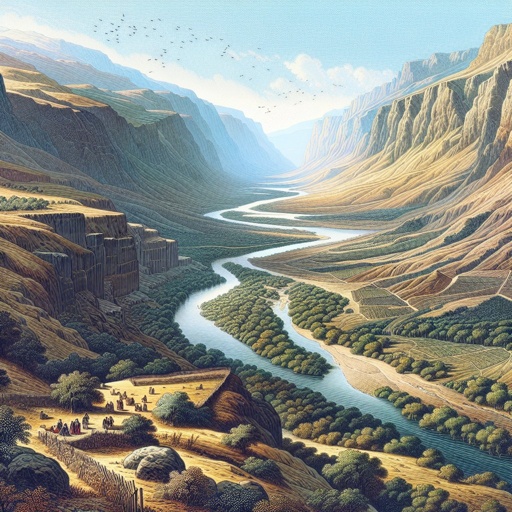
Deuteronomy 3:16 - "And unto the Reubenites and unto the Gadites I gave from Gilead even unto the river Arnon half the valley, and the border even unto the river Jabbok, which is the border of the children of Ammon;"

Deuteronomy 20:16

Deuteronomy 20:16

Deuteronomy 20:16

Deuteronomy 14:16 - "The little owl, and the great owl, and the swan,"

Deuteronomy 10:16 - "Circumcise therefore the foreskin of your heart, and be no more stiffnecked."

Deuteronomy 28:16 - "Cursed shalt thou be in the city, and cursed shalt thou be in the field."

Deuteronomy 32:16 - "They provoked him to jealousy with strange gods, with abominations provoked they him to anger."

Deuteronomy 3:15 - "And I gave Gilead unto Machir."
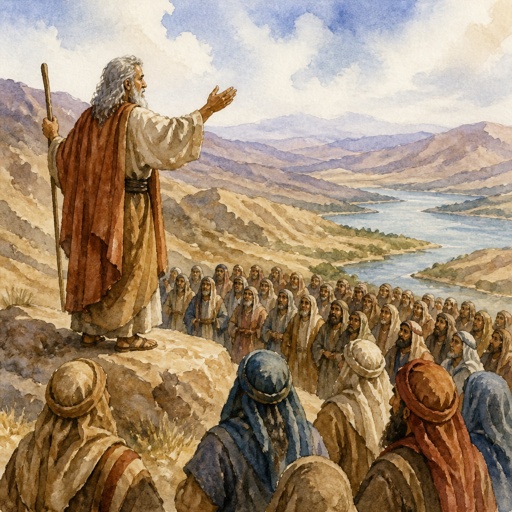
Moses addressing the people in Deuteronomy 3

Deuteronomy 3:23 - "And I besought the LORD at that time, saying,"

Deuteronomy 6:16 - "¶ Ye shall not tempt the LORD your God, as ye tempted him in Massah."

Deuteronomy 14:3 - "¶ Thou shalt not eat any abominable thing."

Deuteronomy 19:16 - "¶ If a false witness rise up against any man to testify against him that which is wrong;"

Deuteronomy 16:12 - "And thou shalt remember that thou wast a bondman in Egypt: and thou shalt observe and do these statutes."

Deuteronomy 12:16 - "Only ye shall not eat the blood; ye shall pour it upon the earth as water."

Deuteronomy 25:16 - "For all that do such things, and all that do unrighteously, are an abomination unto the LORD thy God."

Deuteronomy 2:16 - "¶ So it came to pass, when all the men of war were consumed and dead from among the people,"

Deuteronomy 27:16 - "Cursed be he that setteth light by his father or his mother. And all the people shall say, Amen."
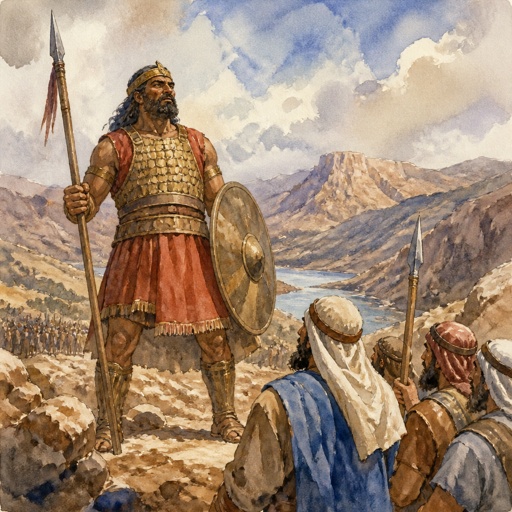
King Og Deuteronomy 3:1-11

"The little owl, and the great owl, and the swan," - Deuteronomy 14:16

Matthew 3:16

Acts 3:16

Acts 3:16

Deuteronomy 3:29 - "So we abode in the valley over against Beth-peor."

Deuteronomy 3:7 - "But all the cattle, and the spoil of the cities, we took for a prey to ourselves."

Deuteronomy 28:3 - "Blessed shalt thou be in the city, and blessed shalt thou be in the field."

Deuteronomy 11:16 - "Take heed to yourselves, that your heart be not deceived, and ye turn aside, and serve other gods, and worship them;"