What does Deuteronomy 17:12 mean?
“And the man that will do presumptuously, and will not hearken unto the priest that standeth to minister there before the LORD thy God, or unto the judge, even that man shall die: and thou shalt put away the evil from Israel.” — Deuteronomy 17:12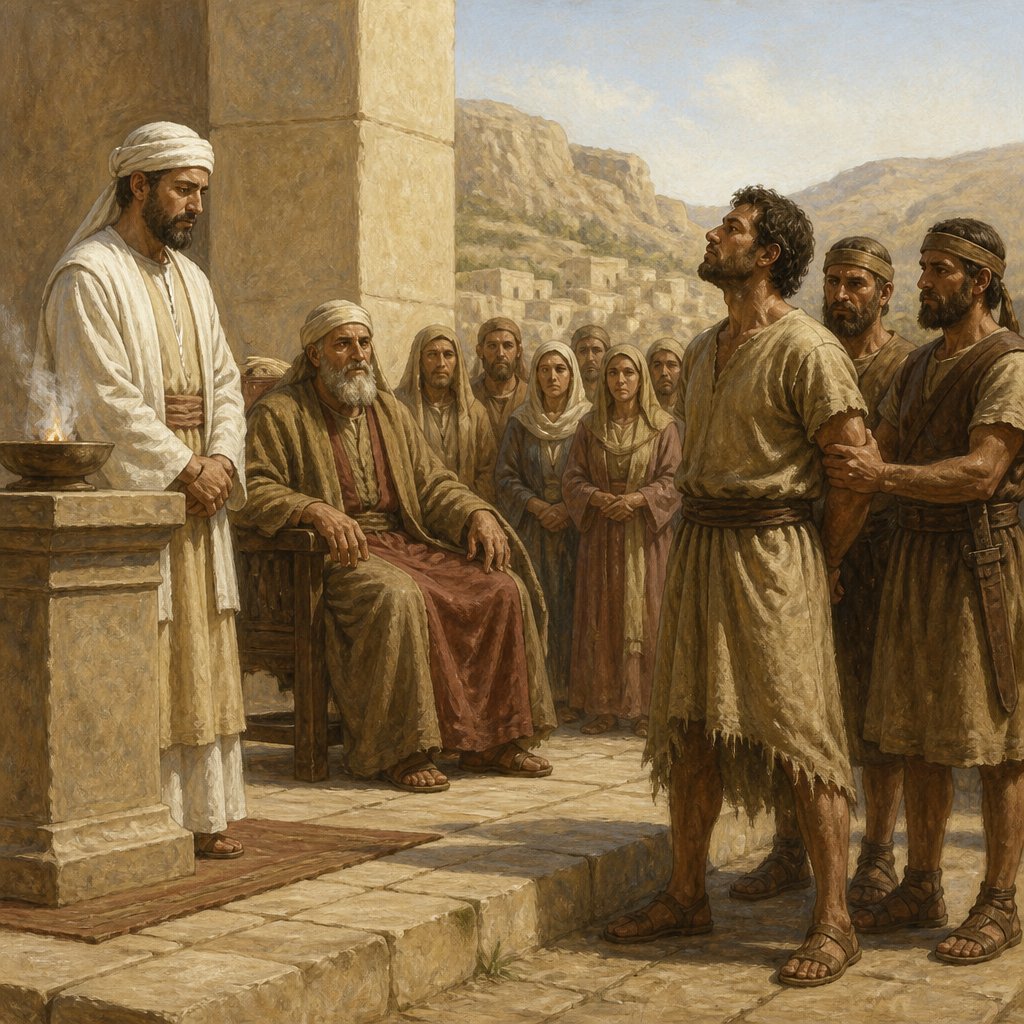
Deuteronomy 17:12 states, "And the man that will do presumptuously, and will not hearken unto the priest that standeth to minister there before the Lord thy God, or unto the judge, even that man shall die: and thou shalt put away the evil from Israel."
This verse is part of the Book of Deuteronomy, which is the fifth book of the Hebrew Bible and the Christian Old Testament. It is attributed to Moses and contains his final addresses to the Israelites before they enter the Promised Land. In these addresses, Moses reiterates the laws and commandments given by God to the Israelites and emphasizes the importance of obedience and faithfulness to God.
In this particular verse, the emphasis is on obeying the authority figures appointed by God. The "priest" and the "judge" mentioned here are not just ordinary individuals, but they represent the religious and judicial authorities established by God to govern and guide the people of Israel. Disregarding their authority and disobeying their instructions is deemed a serious offense, punishable by death.
The underlying theme of this verse is the importance of obedience and respect for authority. The Israelites are reminded that God has established a system of governance and leadership for them, and it is their duty to acknowledge and abide by it. By doing so, they ensure the well-being and order of their community, as well as their own spiritual and moral integrity.
Furthermore, the verse reflects the concept of divine justice and the need to uphold righteousness within the community. The phrase "thou shalt put away the evil from Israel" indicates the necessity of removing disobedient and rebellious individuals from the midst of the people, in order to maintain their purity and faithfulness to God.
Moreover, the symbolism of the priest and the judge in this verse is significant. The priest represents the religious authority, responsible for guiding the people in matters of faith and worship. The judge, on the other hand, represents the judicial authority, responsible for upholding the laws and administering justice within the community. Both figures embody the divine order and governance established by God for the Israelites.
In a broader context, this verse also serves as a moral and ethical guideline for the believers, emphasizing the principles of humility, submission, and accountability. It highlights the consequences of arrogance and rebellion against God's appointed authorities, and underscores the value of humility and obedience as essential virtues in the life of faith.
The verse also points to the concept of the fear of God, which is a recurring theme in the Old Testament. The fear of God encompasses reverence, awe, and obedience to God's will and commandments. By heeding the instructions of the priest and the judge, the Israelites demonstrate their fear of God and their commitment to honoring His authority.
In conclusion, Deuteronomy 17:12 conveys a profound message about the significance of obedience, respect for authority, and the pursuit of righteousness in the life of faith. It underscores the divine order and governance established by God for His people, and serves as a moral and ethical guideline for living in accordance with God's will. It reminds believers of the consequences of rebellion and the value of humility and obedience as essential virtues in their relationship with God.
Get our apps


Artwork for Deuteronomy 17:12

Deuteronomy 17:12 - "And the man that will do presumptuously, and will not hearken unto the priest that standeth to minister there before the LORD thy God, or unto the judge, even that man shall die: and thou shalt put away the evil from Israel."
"And the man that will do presumptuously, and will not hearken unto the priest that standeth to minister there before the LORD thy God, or unto the judge, even that man shall die: and thou shalt put away the evil from Israel." - Deuteronomy 17:12

Deuteronomy 5:17 - "Thou shalt not kill."

Deuteronomy 14:17 - "And the pelican, and the gier eagle, and the cormorant,"
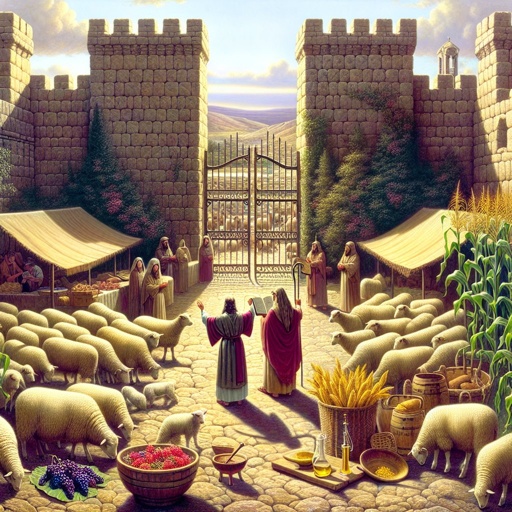
Deuteronomy 12:17 - "¶ Thou mayest not eat within thy gates the tithe of thy corn, or of thy wine, or of thy oil, or the firstlings of thy herds or of thy flock, nor any of thy vows which thou vowest, nor thy freewill offerings, or heave offering of thine hand:"

Deuteronomy 2:17 - "That the LORD spake unto me, saying,"

Deuteronomy 28:17 - "Cursed shall be thy basket and thy store."

"Thou shalt not kill." - Deuteronomy 5:17

Deuteronomy 23:17 - "¶ There shall be no whore of the daughters of Israel, nor a sodomite of the sons of Israel."

Deuteronomy 17:13 - "And all the people shall hear, and fear, and do no more presumptuously."

Deuteronomy 17:17 - "Neither shall he multiply wives to himself, that his heart turn not away: neither shall he greatly multiply to himself silver and gold."

Deuteronomy 4:17 - "The likeness of any beast that is on the earth, the likeness of any winged fowl that flieth in the air,"

"And the pelican, and the gier eagle, and the cormorant," - Deuteronomy 14:17

Deuteronomy 18:17 - "And the LORD said unto me, They have well spoken that which they have spoken."

Deuteronomy 14:12 - "But these are they of which ye shall not eat: the eagle, and the ossifrage, and the ospray,"

Deuteronomy 24:12 - "And if the man be poor, thou shalt not sleep with his pledge:"

Deuteronomy 12:4 - "Ye shall not do so unto the LORD your God."

Deuteronomy 27:17 - "Cursed be he that removeth his neighbour's landmark. And all the people shall say, Amen."

Genesis 17-12

"That the LORD spake unto me, saying," - Deuteronomy 2:17

Deuteronomy 24:17 - "¶ Thou shalt not pervert the judgment of the stranger, nor of the fatherless; nor take a widow's raiment to pledge:"

Deuteronomy 12:24 - "Thou shalt not eat it; thou shalt pour it upon the earth as water."

Deuteronomy 32:12 - "So the LORD alone did lead him, and there was no strange god with him."

Deuteronomy 29:17 - "And ye have seen their abominations, and their idols, wood and stone, silver and gold, which were among them:)"

Deuteronomy 8:17 - "And thou say in thine heart, My power and the might of mine hand hath gotten me this wealth."

Deuteronomy 5:12 - "Keep the sabbath day to sanctify it, as the LORD thy God hath commanded thee."

Deuteronomy 20:12 - "And if it will make no peace with thee, but will make war against thee, then thou shalt besiege it:"

Deuteronomy 25:17 - "¶ Remember what Amalek did unto thee by the way, when ye were come forth out of Egypt;"

Deuteronomy 7:17 - "If thou shalt say in thine heart, These nations are more than I; how can I dispossess them?"

Deuteronomy 17:4 - "And it be told thee, and thou hast heard of it, and enquired diligently, and, behold, it be true, and the thing certain, that such abomination is wrought in Israel:"