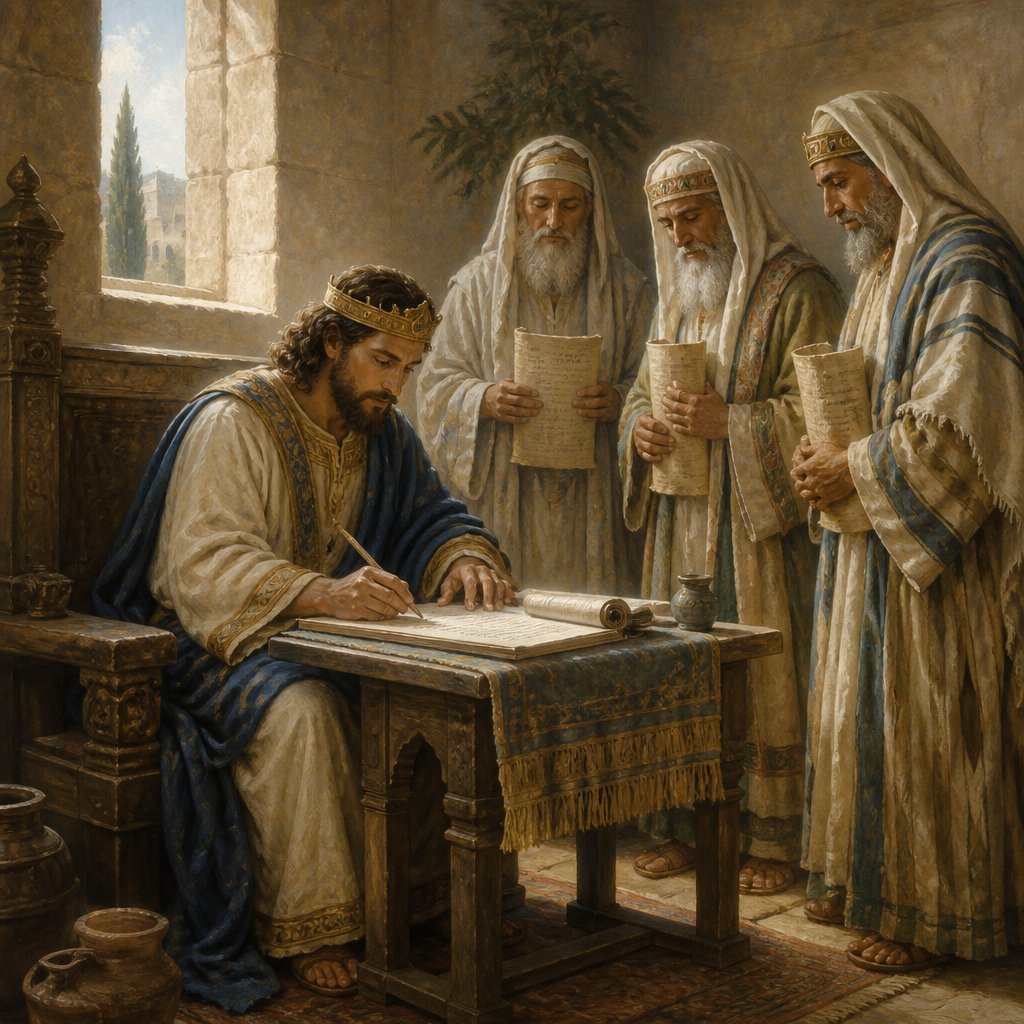
Deuteronomy 17:18-20 from the King James Version of the Bible states, "And it shall be, when he sitteth upon the throne of his kingdom, that he shall write him a copy of this law in a book out of that which is before the priests the Levites: And it shall be with him, and he shall read therein all the days of his life: That he may learn to fear the Lord his God, to keep all the words of this law and these statutes, to do them: That his heart be not lifted up above his brethren, and that he turn not aside from the commandment, to the right hand, or to the left: to the end that he may prolong his days in his kingdom, he, and his children, in the midst of Israel."
This passage contains instructions for the kings of Israel, emphasizing the importance of knowing and obeying God's laws. The passage outlines several key themes, including the responsibilities of leadership, the importance of humility, and the connection between obedience and blessing.
The context of this passage is important in understanding its significance. Deuteronomy is often referred to as the "book of the law," as it contains a restatement and elaboration of the laws given to the Israelites at Mount Sinai. In this specific passage, Moses is addressing the future kings of Israel, providing them with instructions for their reign.
The first theme in this passage is the responsibilities of leadership. The king is commanded to write a copy of the law, which emphasizes the importance of personal engagement with God's word. This act of writing the law serves as a personal reminder to the king of his duty to govern according to God's principles. Additionally, the king is instructed to read the law daily, indicating the continual nature of this responsibility. This highlights the idea that leadership requires a deep and ongoing commitment to understanding and following God's principles.
Another important theme in this passage is the importance of humility. The passage warns the king against having a "heart...lifted up above his brethren." This serves as a reminder that leadership should not be a source of pride or arrogance, but rather a call to humility and service. The king is called to remember that his authority is derived from God, and he must govern with a mindset of humility and servanthood.
The passage also emphasizes the connection between obedience and blessing. The king is instructed to keep all the words of the law and the statutes, with the purpose that "he may prolong his days in his kingdom." This highlights the idea that obedience to God's laws leads to blessing and prosperity, both for the king and for the nation as a whole. This is a recurring theme throughout the Bible, emphasizing the importance of aligning one's life with God's will in order to experience His favor and protection.
Symbolism is also present in this passage, particularly in the act of writing the law and keeping it with the king. The written law serves as a tangible representation of God's authority and guidance, reminding the king of his obligation to govern according to these principles. Additionally, the daily reading of the law symbolizes the continual need for spiritual nourishment and guidance in leadership.
In conclusion, Deuteronomy 17:18-20 contains important instructions for the kings of Israel, emphasizing the responsibilities of leadership, the importance of humility, and the connection between obedience and blessing. This passage serves as a timeless reminder of the principles that should govern those in positions of authority, and it carries relevance for leaders in all contexts. Ultimately, this passage highlights the importance of aligning one's life with God's will in order to lead with integrity and experience His favor and blessing.
Get our apps


Artwork for Deuteronomy 17:18-20

Deuteronomy 17:18-20 - "And it shall be, when he sits upon the throne of his kingdom, that he shall write for himself a copy of this law in a book out of that which is before the priests the Levites: And it shall be with him, and he shall read therein all the days of his life: that he may learn to fear the LORD his God, to keep all the words of this law and these statutes, to do them: That his heart be not lifted up above his brethren, and that he turn not aside from the commandment, to the right hand, or to the left: to the end that he may prolong his days in his kingdom, he, and his children, in the midst of Israel."
"And it shall be, when he sits upon the throne of his kingdom, that he shall write for himself a copy of this law in a book out of that which is before the priests the Levites: And it shall be with him, and he shall read therein all the days of his life: that he may learn to fear the LORD his God, to keep all the words of this law and these statutes, to do them: That his heart be not lifted up above his brethren, and that he turn not aside from the commandment, to the right hand, or to the left: to the end that he may prolong his days in his kingdom, he, and his children, in the midst of Israel." - Deuteronomy 17:18-20

Deuteronomy 18:17 - "And the LORD said unto me, They have well spoken that which they have spoken."

Deuteronomy 20:17 - "But thou shalt utterly destroy them; namely, the Hittites, and the Amorites, the Canaanites, and the Perizzites, the Hivites, and the Jebusites; as the LORD thy God hath commanded thee:"

Deuteronomy 20:18 - "That they teach you not to do after all their abominations, which they have done unto their gods; so should ye sin against the LORD your God."

Deuteronomy 17:18 - "And it shall be, when he sitteth upon the throne of his kingdom, that he shall write him a copy of this law in a book out of that which is before the priests the Levites:"
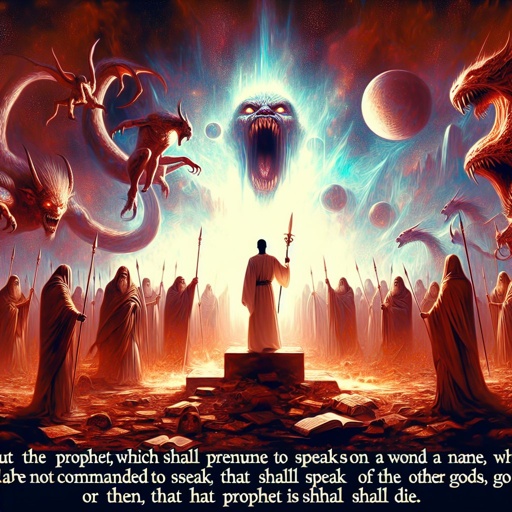
Deuteronomy 18:20 - "But the prophet, which shall presume to speak a word in my name, which I have not commanded him to speak, or that shall speak in the name of other gods, even that prophet shall die."
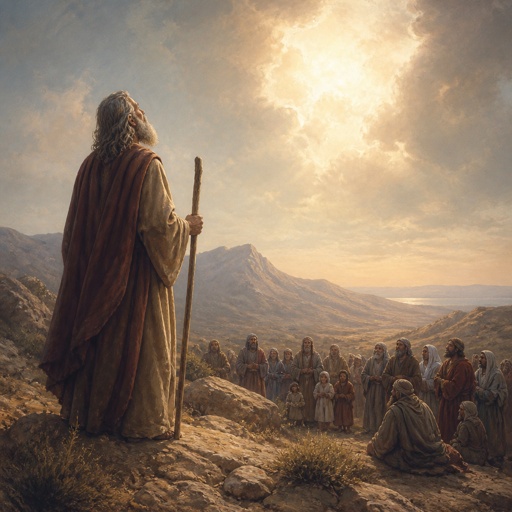
"And the LORD said unto me, They have well spoken that which they have spoken." - Deuteronomy 18:17

Deuteronomy 24:17-18 - "Do not deprive the foreigner or the fatherless of justice, or take the cloak of the widow as a pledge. Remember that you were slaves in Egypt and the Lord your God redeemed you from there. That is why I command you to do this."

Deuteronomy 17:20 - "That his heart be not lifted up above his brethren, and that he turn not aside from the commandment, to the right hand, or to the left: to the end that he may prolong his days in his kingdom, he, and his children, in the midst of Israel."

Deuteronomy 20:16

Deuteronomy 20:16

Deuteronomy 20:16

Deuteronomy 5:17 - "Thou shalt not kill."

Matthew 17:17-18

Deuteronomy 14:17 - "And the pelican, and the gier eagle, and the cormorant,"

Matthew 17:17-18

Create a picture of Deuteronomy 11:20

Deuteronomy 2:17 - "That the LORD spake unto me, saying,"

Deuteronomy 22:20 - "But if this thing be true, and the tokens of virginity be not found for the damsel:"

Deuteronomy 14:20 - "But of all clean fowls ye may eat."

Deuteronomy 5:18 - "Neither shalt thou commit adultery."

Deuteronomy 28:17 - "Cursed shall be thy basket and thy store."
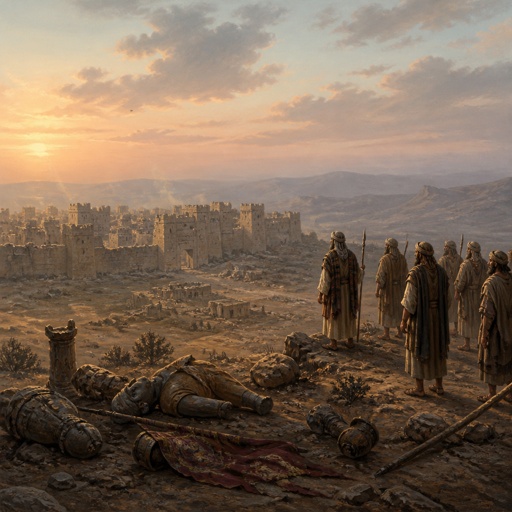
"But thou shalt utterly destroy them; namely, the Hittites, and the Amorites, the Canaanites, and the Perizzites, the Hivites, and the Jebusites; as the LORD thy God hath commanded thee:" - Deuteronomy 20:17

Deuteronomy 18:11 - "Or a charmer, or a consulter with familiar spirits, or a wizard, or a necromancer."

Deuteronomy 18:13 - "Thou shalt be perfect with the LORD thy God."

John 7:17-18

John 7:17-18

Genesis 20-17

Matthew 17:20