What does Deuteronomy 17:4 mean?
“And it be told thee, and thou hast heard of it, and enquired diligently, and, behold, it be true, and the thing certain, that such abomination is wrought in Israel:” — Deuteronomy 17:4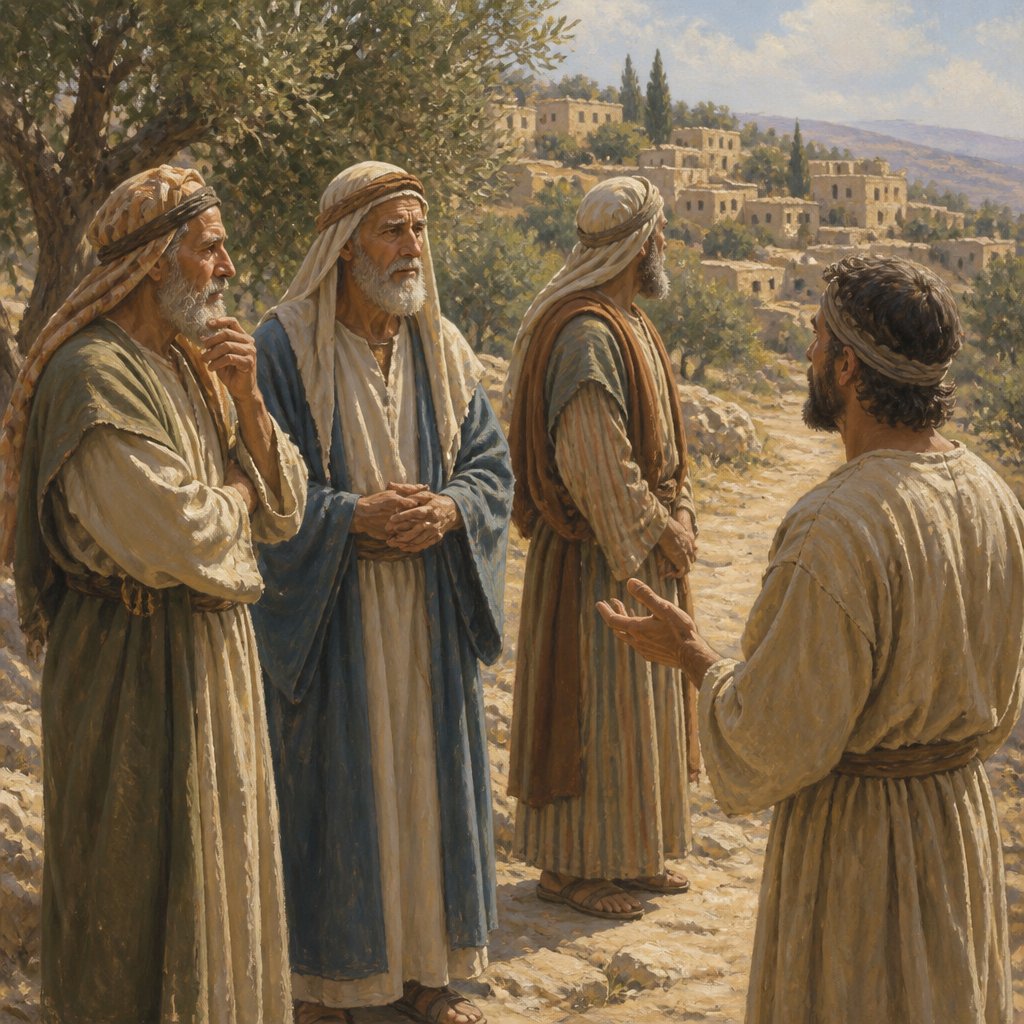
The Bible verse Deuteronomy 17:4 from the King James Version (KJV) reads: "And it be told thee, and thou hast heard of it, and enquired diligently, and, behold, it be true, and the thing certain, that such abomination is wrought in Israel."
This verse is a part of the laws and regulations outlined in the book of Deuteronomy, which forms the foundation of the Mosaic Law. In this particular verse, the emphasis is on the importance of thoroughly investigating a matter before taking action against it. It instructs the leaders and judges of Israel to carefully inquire into any report of wrongdoing, ensuring that the information is true and the offense is certain before carrying out judgment.
The context of this verse is important in understanding its significance. The book of Deuteronomy is essentially a series of speeches given by Moses to the Israelites as they prepare to enter the Promised Land. These speeches include a review of the laws given by God at Mount Sinai and serve to remind the people of their covenant with God. The laws set out in Deuteronomy cover a wide range of subjects, including social justice, worship, and governance.
The verse Deuteronomy 17:4 falls within a section of the book that deals with the establishment of a system of justice and leadership in Israel. In the preceding verses, Moses outlines the principles for appointing judges and leaders who will administer justice fairly and honestly. Deuteronomy 17:4 is part of the specific instructions for handling cases of idolatry, a serious offense in the eyes of God.
The theme of justice and righteousness is prevalent throughout the book of Deuteronomy, and it is especially prominent in this verse. The command to "enquire diligently" reflects the importance of thorough investigation and the pursuit of truth in matters of justice. This principle emphasizes the need for fair and impartial judgment, as well as the responsibility of the leaders to ensure that justice is carried out in accordance with God's laws.
The use of the word "abomination" in this verse is significant in highlighting the severity of the offense being addressed. In the context of the Old Testament, the term "abomination" is often associated with detestable practices such as idol worship, human sacrifice, and other forms of immoral behavior. The mention of such a grave offense underscores the gravity of the matter at hand and the need for a meticulous and just response.
In a broader sense, Deuteronomy 17:4 serves as a reminder of the principles of justice and fairness that are essential for a society to thrive. The requirement for thorough investigation and certainty before passing judgment reflects a commitment to upholding the truth and preserving the rights of the accused. This is a timeless and universal principle that holds relevance in any system of justice.
From a symbolic perspective, the verse can be seen as a representation of the attributes of God, particularly His righteousness and fairness. God is often depicted in the Bible as a just and impartial judge, and the principles outlined in Deuteronomy 17:4 reflect these divine attributes. The requirement to diligently inquire into matters and ensure the certainty of an offense aligns with the characteristics of God as a righteous and fair arbiter of justice.
In conclusion, Deuteronomy 17:4 from the King James Version of the Bible conveys a significant message about justice, righteousness, and the pursuit of truth. It emphasizes the importance of thorough investigation and certainty in matters of justice and serves as a reminder of the principles of fairness and impartiality that are essential for a just society. The verse holds timeless relevance as a reflection of the divine attributes of God and as a guide for the administration of justice in any context.
Get our apps


Artwork for Deuteronomy 17:4

Deuteronomy 17:4 - "And it be told thee, and thou hast heard of it, and enquired diligently, and, behold, it be true, and the thing certain, that such abomination is wrought in Israel:"
"And it be told thee, and thou hast heard of it, and enquired diligently, and, behold, it be true, and the thing certain, that such abomination is wrought in Israel:" - Deuteronomy 17:4

Deuteronomy 4:17 - "The likeness of any beast that is on the earth, the likeness of any winged fowl that flieth in the air,"

"The likeness of any beast that is on the earth, the likeness of any winged fowl that flieth in the air," - Deuteronomy 4:17

Deuteronomy 5:17 - "Thou shalt not kill."

Deuteronomy 14:17 - "And the pelican, and the gier eagle, and the cormorant,"

Deuteronomy 2:17 - "That the LORD spake unto me, saying,"

Deuteronomy 28:17 - "Cursed shall be thy basket and thy store."

"Thou shalt not kill." - Deuteronomy 5:17

Deuteronomy 23:17 - "¶ There shall be no whore of the daughters of Israel, nor a sodomite of the sons of Israel."

Deuteronomy 17:13 - "And all the people shall hear, and fear, and do no more presumptuously."

Deuteronomy 17:17 - "Neither shall he multiply wives to himself, that his heart turn not away: neither shall he greatly multiply to himself silver and gold."

Deuteronomy 26:4-10

"And the pelican, and the gier eagle, and the cormorant," - Deuteronomy 14:17

Deuteronomy 18:17 - "And the LORD said unto me, They have well spoken that which they have spoken."

Deuteronomy 26:4-10

Deuteronomy 4:4 - "But ye that did cleave unto the LORD your God are alive every one of you this day."

Deuteronomy 27:17 - "Cursed be he that removeth his neighbour's landmark. And all the people shall say, Amen."

"That the LORD spake unto me, saying," - Deuteronomy 2:17

Deuteronomy 24:17 - "¶ Thou shalt not pervert the judgment of the stranger, nor of the fatherless; nor take a widow's raiment to pledge:"

Deuteronomy 29:17 - "And ye have seen their abominations, and their idols, wood and stone, silver and gold, which were among them:)"

Deuteronomy 8:17 - "And thou say in thine heart, My power and the might of mine hand hath gotten me this wealth."

Deuteronomy 34:1-4 – Moses views the Promised Land from Mount Nebo.

Deuteronomy 34:1-4 – Moses views the Promised Land from Mount Nebo.

Deuteronomy 34:1-4 – Moses views the Promised Land from Mount Nebo.

Deuteronomy 25:17 - "¶ Remember what Amalek did unto thee by the way, when ye were come forth out of Egypt;"

Deuteronomy 4:44 - "¶ And this is the law which Moses set before the children of Israel:"

Deuteronomy 7:17 - "If thou shalt say in thine heart, These nations are more than I; how can I dispossess them?"

"Cursed shall be thy basket and thy store." - Deuteronomy 28:17

Deuteronomy 33:4 - "Moses commanded us a law, even the inheritance of the congregation of Jacob."