What does Deuteronomy 18:14 mean?
“For these nations, which thou shalt possess, hearkened unto observers of times, and unto diviners: but as for thee, the LORD thy God hath not suffered thee so to do.” — Deuteronomy 18:14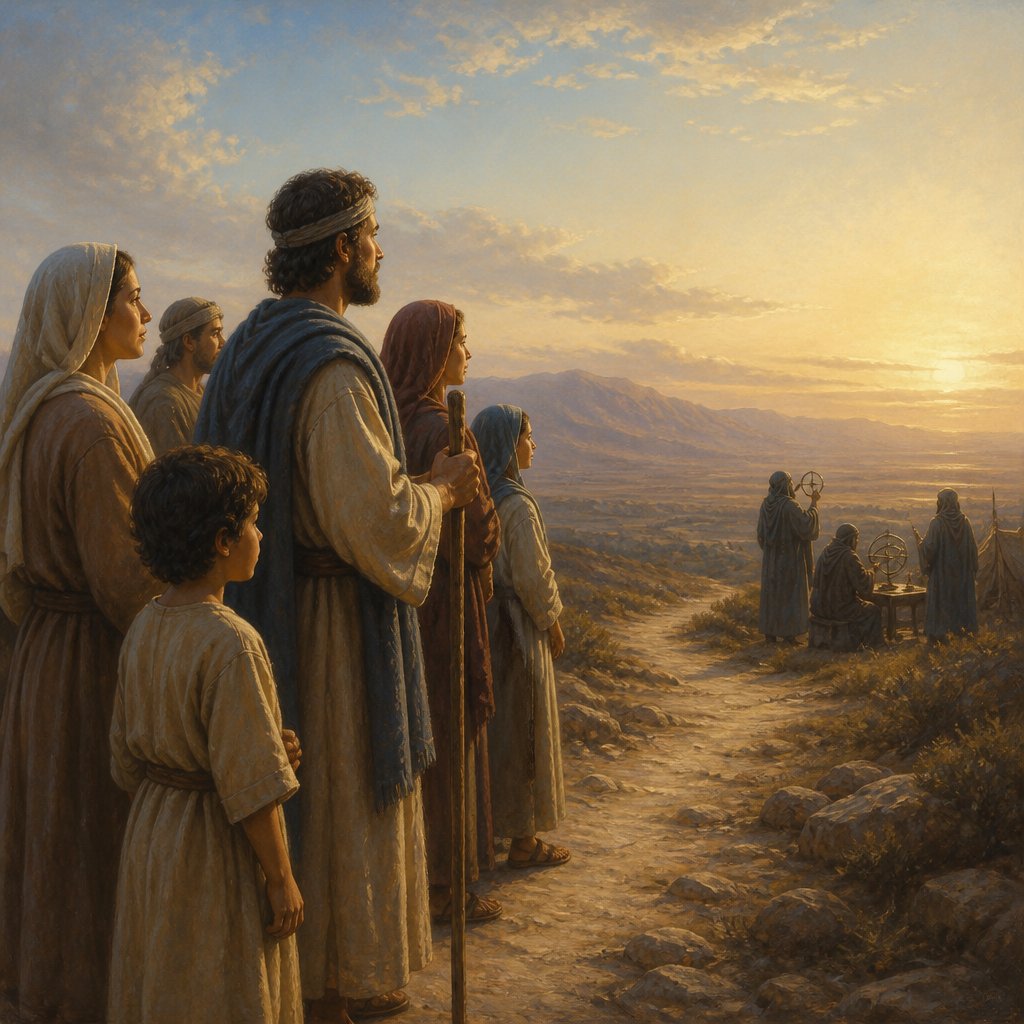
Deuteronomy 18:14 in the King James Version of the Bible states: "For these nations, which thou shalt possess, hearkened unto observers of times, and unto diviners: but as for thee, the LORD thy God hath not suffered thee so to do."
This verse is part of a larger passage in the book of Deuteronomy in which Moses is reminding the Israelites of the laws and regulations that they are to follow as they enter the Promised Land. In this specific verse, Moses is cautioning the Israelites against following the practices of the nations that they are displacing. The "observers of times" and "diviners" mentioned in the verse refer to the pagan practices of seeking guidance and insight from astrologers, fortune tellers, and other practitioners of the occult. These practices were widespread in the cultures and societies surrounding the Israelites at the time, and Moses is warning the Israelites against adopting these customs.
The broader context of this verse is significant for understanding its implications. Throughout the book of Deuteronomy, Moses emphasizes the importance of the Israelites' fidelity to the God of their ancestors, and the exclusivity of their worship of Him. The Israelites are repeatedly commanded to remain separate from the neighboring nations and to avoid intermingling with their religious rituals and customs. This emphasis on religious purity and separateness reflects the Israelites' unique status as the chosen people of God.
One of the primary themes of this verse is the call for the Israelites to maintain their distinct religious identity and not to be swayed by the practices of the surrounding nations. The Israelites are to be faithful to Yahweh, the one true God, and to resist the temptations of idolatry and pagan divination. This theme of religious fidelity and separation from foreign practices is a recurring motif throughout the Old Testament, and it underscores the Israelites' role as a chosen people with a special covenant relationship with God.
The verse also reflects the broader biblical theme of the conflict between monotheism and polytheism, and the call to worship the one true God. Throughout the Old Testament, there is a consistent emphasis on the exclusivity of Yahweh as the only God worthy of worship, and the prohibition against turning to other deities or spiritual sources for guidance. Deuteronomy 18:14 is part of this larger theological framework, in which the Israelites are called to be faithful to their unique relationship with God.
In addition to its thematic significance, this verse also contains several layers of symbolism. The contrast between the faithfulness of the Israelites to Yahweh and the spiritual practices of the surrounding nations symbolizes the broader contrast between light and darkness, truth and falsehood, and purity and impurity. The verse serves as a reminder of the Israelites' spiritual calling to be a light to the nations and to resist the pervasive darkness of idolatry and false spirituality.
Overall, Deuteronomy 18:14 is a poignant reminder of the religious fidelity and separateness that the Israelites are called to maintain as they enter the Promised Land. The verse underscores the foundational themes of the Old Testament, including the worship of the one true God, the prohibition against idolatry, and the special covenant relationship between God and His chosen people. It also serves as a timeless reminder for believers today to remain faithful to God and to resist the allure of false spiritual practices.
Get our apps


Artwork for Deuteronomy 18:14
Deuteronomy 18:14 - "For these nations, which thou shalt possess, hearkened unto observers of times, and unto diviners: but as for thee, the LORD thy God hath not suffered thee so to do."
"For these nations, which thou shalt possess, hearkened unto observers of times, and unto diviners: but as for thee, the LORD thy God hath not suffered thee so to do." - Deuteronomy 18:14

Deuteronomy 14:18 - "And the stork, and the heron after her kind, and the lapwing, and the bat."

"And the stork, and the heron after her kind, and the lapwing, and the bat." - Deuteronomy 14:18

Deuteronomy 14:14 - "And every raven after his kind,"

Deuteronomy 5:18 - "Neither shalt thou commit adultery."

Deuteronomy 14:17 - "And the pelican, and the gier eagle, and the cormorant,"

"And every raven after his kind," - Deuteronomy 14:14

Deuteronomy 18:11 - "Or a charmer, or a consulter with familiar spirits, or a wizard, or a necromancer."

Deuteronomy 18:13 - "Thou shalt be perfect with the LORD thy God."

Deuteronomy 14:16 - "The little owl, and the great owl, and the swan,"

Deuteronomy 22:18 - "And the elders of that city shall take that man and chastise him;"

Deuteronomy 14:3 - "¶ Thou shalt not eat any abominable thing."

Deuteronomy 14:11 - "¶ Of all clean birds ye shall eat."

Deuteronomy 14:20 - "But of all clean fowls ye may eat."

Deuteronomy 14:13 - "And the glede, and the kite, and the vulture after his kind,"

Deuteronomy 2:18 - "Thou art to pass over through Ar, the coast of Moab, this day:"

Deuteronomy 14:12 - "But these are they of which ye shall not eat: the eagle, and the ossifrage, and the ospray,"

Deuteronomy 18:17 - "And the LORD said unto me, They have well spoken that which they have spoken."

Deuteronomy 14:15 - "And the owl, and the night hawk, and the cuckow, and the hawk after his kind,"

Deuteronomy 29:14 - "Neither with you only do I make this covenant and this oath;"

Deuteronomy 14:4 - "These are the beasts which ye shall eat: the ox, the sheep, and the goat,"

Deuteronomy 1:18 - "And I commanded you at that time all the things which ye should do."

Deuteronomy 18:8 - "They shall have like portions to eat, beside that which cometh of the sale of his patrimony."

Genesis 18-14

Deuteronomy 14:19 - "And every creeping thing that flieth is unclean unto you: they shall not be eaten."

Deuteronomy 25:14 - "Thou shalt not have in thine house divers measures, a great and a small."

Deuteronomy 32:18 - "Of the Rock that begat thee thou art unmindful, and hast forgotten God that formed thee."

Deuteronomy 4:18 - "The likeness of any thing that creepeth on the ground, the likeness of any fish that is in the waters beneath the earth:"

Deuteronomy 33:18 - "¶ And of Zebulun he said, Rejoice, Zebulun, in thy going out; and, Issachar, in thy tents."