What does Deuteronomy 18:20 mean?
“But the prophet, which shall presume to speak a word in my name, which I have not commanded him to speak, or that shall speak in the name of other gods, even that prophet shall die.” — Deuteronomy 18:20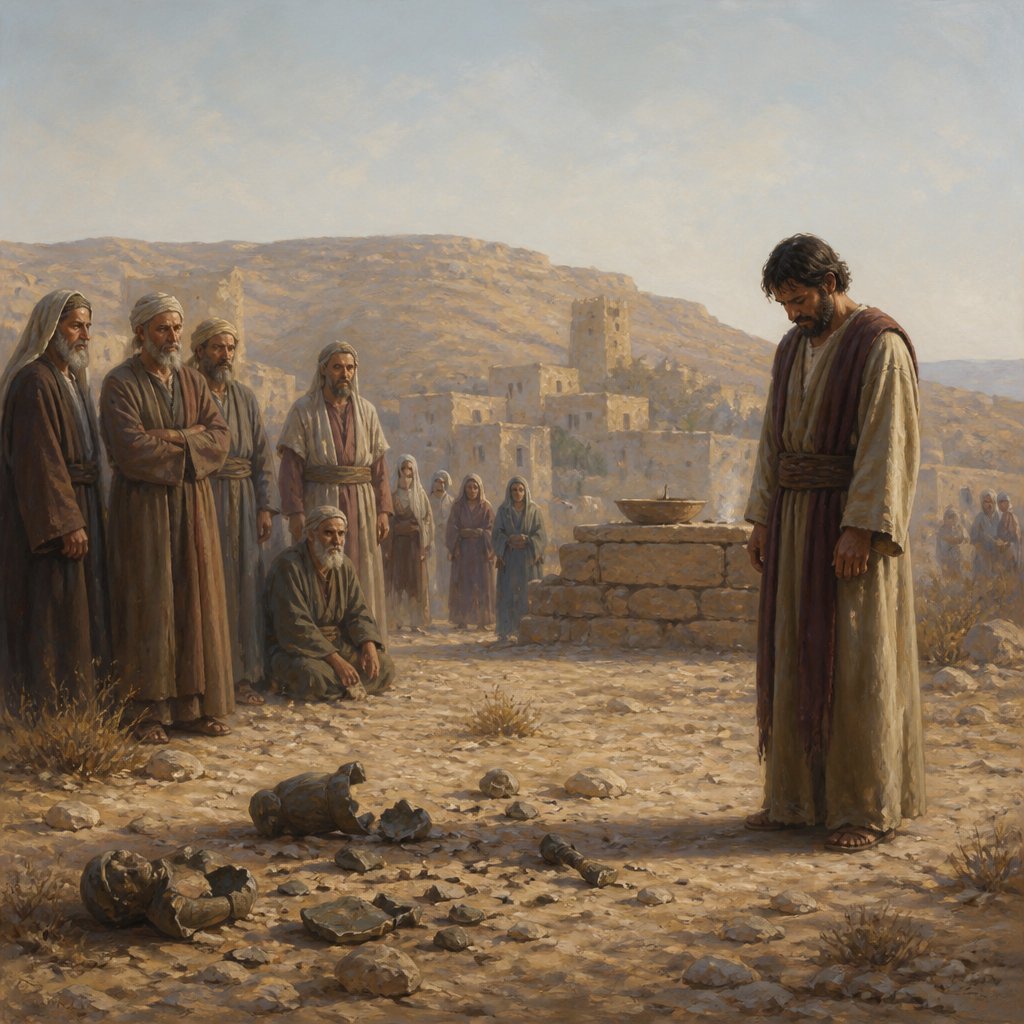
Deuteronomy 18:20 states, "But the prophet, which shall presume to speak a word in my name, which I have not commanded him to speak, or that shall speak in the name of other gods, even that prophet shall die." This verse is part of the Book of Deuteronomy, which is a collection of speeches given by Moses to the Israelites as they prepare to enter the Promised Land. The specific verse speaks to the importance of prophetic authority and the consequences of false prophecy.
In this verse, God is warning the Israelites about false prophets who claim to speak on his behalf without his authorization. The punishment for such presumption is severe, as the false prophet is to be put to death. This emphasizes God's absolute sovereignty and the seriousness with which he regards true prophecy.
The theme of prophetic authority is central to the broader context of the Book of Deuteronomy. Throughout the text, Moses emphasizes the importance of obeying the commandments of God and heeding the words of true prophets. In Deuteronomy 18:15-19, God promises to raise up a prophet like Moses from among the Israelites, whose words they must obey. This promise is fulfilled in the person of Jesus Christ, who is recognized as the ultimate prophet and spokesperson for God.
The context of Deuteronomy 18:20 also reflects the religious and cultural environment of ancient Israel. During this time, there were many so-called prophets who claimed to speak on behalf of various gods, offering predictions and guidance to the people. Some of these prophets were genuine messengers of God, while others were charlatans seeking to deceive and manipulate the populace for their own gain. God's warning in this verse serves as a safeguard against false claims to divine authority, ensuring that the Israelites remain faithful to the true message of God.
Symbolism plays an important role in understanding the deeper meaning of Deuteronomy 18:20. The false prophet represents deception and rebellion against God, leading the people astray from the truth. The act of speaking in the name of other gods symbolizes idolatry and the worship of false deities, which is strictly forbidden in the Israelite faith. The punishment of death serves as a stark reminder of the severity of deviating from the true path of faith and obedience to God.
Furthermore, the verse underscores the importance of discernment and critical thinking when it comes to matters of spiritual guidance. The Israelites are called to test the spirits and evaluate the authenticity of those claiming to speak on behalf of God. This principle remains relevant in contemporary religious and spiritual contexts, where discernment is crucial in distinguishing between true and false prophets.
In conclusion, Deuteronomy 18:20 carries a strong message about the nature of prophetic authority, the consequences of false prophecy, and the importance of remaining faithful to the true word of God. The verse serves as a warning against deception and idolatry, while emphasizing the need for discernment and obedience to the authentic message of God. As a foundational principle of the Israelite faith, this passage continues to hold significance for believers seeking to navigate the complexities of spirituality and prophecy.
Get our apps


Artwork for Deuteronomy 18:20
Deuteronomy 18:20 - "But the prophet, which shall presume to speak a word in my name, which I have not commanded him to speak, or that shall speak in the name of other gods, even that prophet shall die."
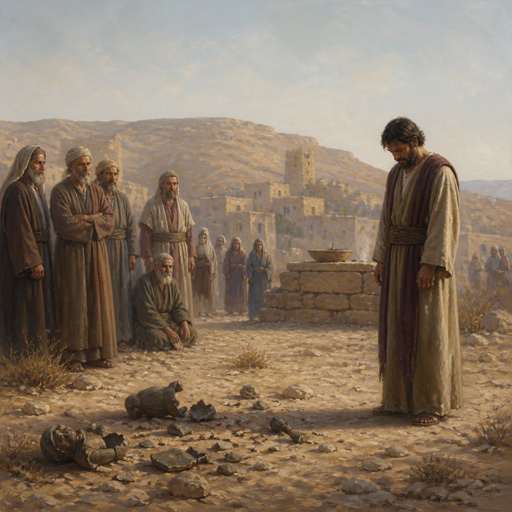
"But the prophet, which shall presume to speak a word in my name, which I have not commanded him to speak, or that shall speak in the name of other gods, even that prophet shall die." - Deuteronomy 18:20

Deuteronomy 20:18 - "That they teach you not to do after all their abominations, which they have done unto their gods; so should ye sin against the LORD your God."

Deuteronomy 20:16

Deuteronomy 20:16

Deuteronomy 20:16

Create a picture of Deuteronomy 11:20

Deuteronomy 22:20 - "But if this thing be true, and the tokens of virginity be not found for the damsel:"

Deuteronomy 14:20 - "But of all clean fowls ye may eat."

Deuteronomy 5:18 - "Neither shalt thou commit adultery."

Deuteronomy 18:11 - "Or a charmer, or a consulter with familiar spirits, or a wizard, or a necromancer."

Deuteronomy 18:13 - "Thou shalt be perfect with the LORD thy God."

Deuteronomy 22:18 - "And the elders of that city shall take that man and chastise him;"

Deuteronomy 14:18 - "And the stork, and the heron after her kind, and the lapwing, and the bat."

Matthew 18:20

Genesis 20-18

Genesis 18-20

Matthew 18:20

Matthew 18:20

"That they teach you not to do after all their abominations, which they have done unto their gods; so should ye sin against the LORD your God." - Deuteronomy 20:18

Deuteronomy 5:20 - "Neither shalt thou bear false witness against thy neighbour."

Deuteronomy 2:18 - "Thou art to pass over through Ar, the coast of Moab, this day:"

Deuteronomy 20:12 - "And if it will make no peace with thee, but will make war against thee, then thou shalt besiege it:"

Deuteronomy 18:17 - "And the LORD said unto me, They have well spoken that which they have spoken."

2 Chronicles 20:18

Deuteronomy 20:10 - "¶ When thou comest nigh unto a city to fight against it, then proclaim peace unto it."

Deuteronomy 1:18 - "And I commanded you at that time all the things which ye should do."

Deuteronomy 18:8 - "They shall have like portions to eat, beside that which cometh of the sale of his patrimony."

Deuteronomy 11:20 - "And thou shalt write them upon the door posts of thine house, and upon thy gates:"

Deuteronomy 32:18 - "Of the Rock that begat thee thou art unmindful, and hast forgotten God that formed thee."