What does Deuteronomy 19:15 mean?
"One witness shall not rise up against a man for any iniquity, or for any sin, in any sin that he sinneth: at the mouth of two witnesses, or at the mouth of three witnesses, shall the matter be established." - Deuteronomy 19:15
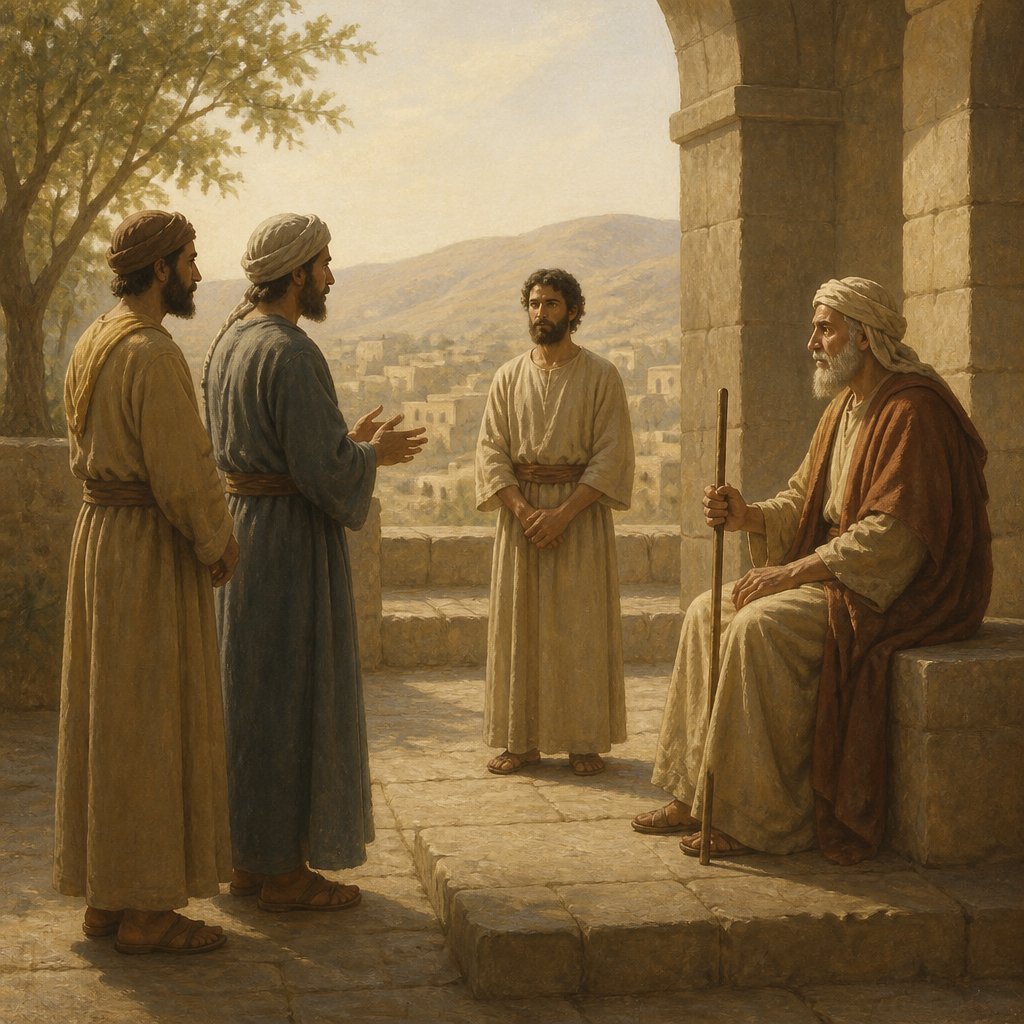
Deuteronomy 19:15 in the King James Version of the Bible states, "One witness shall not rise up against a man for any iniquity, or for any sin, in any sin that he sinneth: at the mouth of two witnesses, or at the mouth of three witnesses, shall the matter be established." This verse is part of the laws given by Moses to the Israelites as they prepared to enter the promised land. It deals with the idea of justice and the necessity of multiple witnesses to establish a matter.
The verse begins by addressing the concept of a witness rising up against a man for any iniquity or sin. In ancient Israel, testimony and witnesses were essential in legal matters. A single witness was not sufficient to establish guilt or innocence. This was a fundamental principle of their justice system, ensuring that no one could be accused or convicted based on the testimony of a single individual. The requirement for multiple witnesses served as a check against false accusations and wrongful convictions.
The verse specifically states that at the mouth of two or three witnesses, the matter shall be established. This emphasizes the importance of corroborating testimony. Having multiple witnesses provided a greater level of credibility and trustworthiness to the account of events. It also made it more difficult for someone to falsely accuse another person knowing that their claims would need to be corroborated by others.
The principle outlined in Deuteronomy 19:15 reflects the broader themes of justice, truth, and fairness. In the biblical context, it demonstrates God's concern for the well-being and just treatment of His people. The requirement for multiple witnesses ensures that accusations are thoroughly examined and verified before any judgment or punishment is handed down. This upholds the value of truth and safeguards against the potential for miscarriages of justice.
The concept of multiple witnesses is further expounded upon in the New Testament, where Jesus also refers to this principle in the context of resolving conflicts within the church community (Matthew 18:16). The importance of relying on the testimony of two or three witnesses is reiterated as a means of ensuring justice and accountability in interpersonal relationships.
Additionally, the requirement for multiple witnesses holds symbolic significance in the broader biblical narrative. In the Old Testament, the testimony of two or three witnesses was crucial for validating a covenant or agreement (Deuteronomy 17:6, 2 Corinthians 13:1). This underscores the idea of establishing truth and reliability through the collaboration of credible witnesses.
The principle of requiring multiple witnesses also aligns with the character of God as just and righteous. Throughout the Bible, God is depicted as the ultimate judge who upholds truth and equity. The requirement for corroborating witnesses reflects God's commitment to justice and fairness in all aspects of human conduct and relationships.
In conclusion, Deuteronomy 19:15 conveys a foundational principle of justice and truth within the biblical context. The insistence on multiple witnesses serves as a safeguard against false accusations, ensuring that justice is administered fairly and accurately. This principle reflects God's concern for truth and righteousness, and it continues to hold significance as a moral and legal standard in contemporary society.
Have questions about Deuteronomy 19:15?
Dive deeper into this scripture with Bible Chat — an AI-powered tool for exploring God's Word through conversation. Ask questions, get context, and grow in your understanding of the Bible.
Get Our Apps


Deuteronomy 19:15 Artwork
Deuteronomy 19:15 - "¶ One witness shall not rise up against a man for any iniquity, or for any sin, in any sin that he sinneth: at the mouth of two witnesses, or at the mouth of three witnesses, shall the matter be established."
"¶ One witness shall not rise up against a man for any iniquity, or for any sin, in any sin that he sinneth: at the mouth of two witnesses, or at the mouth of three witnesses, shall the matter be established." - Deuteronomy 19:15

Deuteronomy 15:19 - "¶ All the firstling males that come of thy herd and of thy flock thou shalt sanctify unto the LORD thy God: thou shalt do no work with the firstling of thy bullock, nor shear the firstling of thy sheep."

Deuteronomy 30:19:

Deuteronomy 5:19 - "Neither shalt thou steal."

Deuteronomy 3:15 - "And I gave Gilead unto Machir."

Deuteronomy 10:19 - "Love ye therefore the stranger: for ye were strangers in the land of Egypt."

Deuteronomy 14:19 - "And every creeping thing that flieth is unclean unto you: they shall not be eaten."

Deuteronomy 14:15 - "And the owl, and the night hawk, and the cuckow, and the hawk after his kind,"

Deuteronomy 15:1 - "At the end of every seven years thou shalt make a release."

Genesis 15:19

Deuteronomy 33:15 - "And for the chief things of the ancient mountains, and for the precious things of the lasting hills,"

Genesis 19-15

Deuteronomy 19:7 - "Wherefore I command thee, saying, Thou shalt separate three cities for thee."

Deuteronomy 6:19 - "To cast out all thine enemies from before thee, as the LORD hath spoken."

"Neither shalt thou steal." - Deuteronomy 5:19

Deuteronomy 15:15 - "And thou shalt remember that thou wast a bondman in the land of Egypt, and the LORD thy God redeemed thee: therefore I command thee this thing to day."

Deuteronomy 19:16 - "¶ If a false witness rise up against any man to testify against him that which is wrong;"

Deuteronomy 27:19 - "Cursed be he that perverteth the judgment of the stranger, fatherless, and widow. And all the people shall say, Amen."

Deuteronomy 19:19 - "Then shall ye do unto him, as he had thought to have done unto his brother: so shalt thou put the evil away from among you."

Deuteronomy 12:19 - "Take heed to thyself that thou forsake not the Levite as long as thou livest upon the earth."

Genesis 15:19 - "The Kenites, and the Kenizzites, and the Kadmonites,"

Deuteronomy 28:19 - "Cursed shalt thou be when thou comest in, and cursed shalt thou be when thou goest out."

Deuteronomy 32:19 - "And when the LORD saw it, he abhorred them, because of the provoking of his sons, and of his daughters."

John 21:15-19

Luke 21:15-19

Deuteronomy 31:15 - "And the LORD appeared in the tabernacle in a pillar of a cloud: and the pillar of the cloud stood over the door of the tabernacle."

Deuteronomy 11:15 - "And I will send grass in thy fields for thy cattle, that thou mayest eat and be full."

Deuteronomy 30:15 - "¶ See, I have set before thee this day life and good, and death and evil;"

Deuteronomy 15:23 - "Only thou shalt not eat the blood thereof; thou shalt pour it upon the ground as water."