What does Deuteronomy 19:11 mean?
“But if any man hate his neighbour, and lie in wait for him, and rise up against him, and smite him mortally that he die, and fleeth into one of these cities:” — Deuteronomy 19:11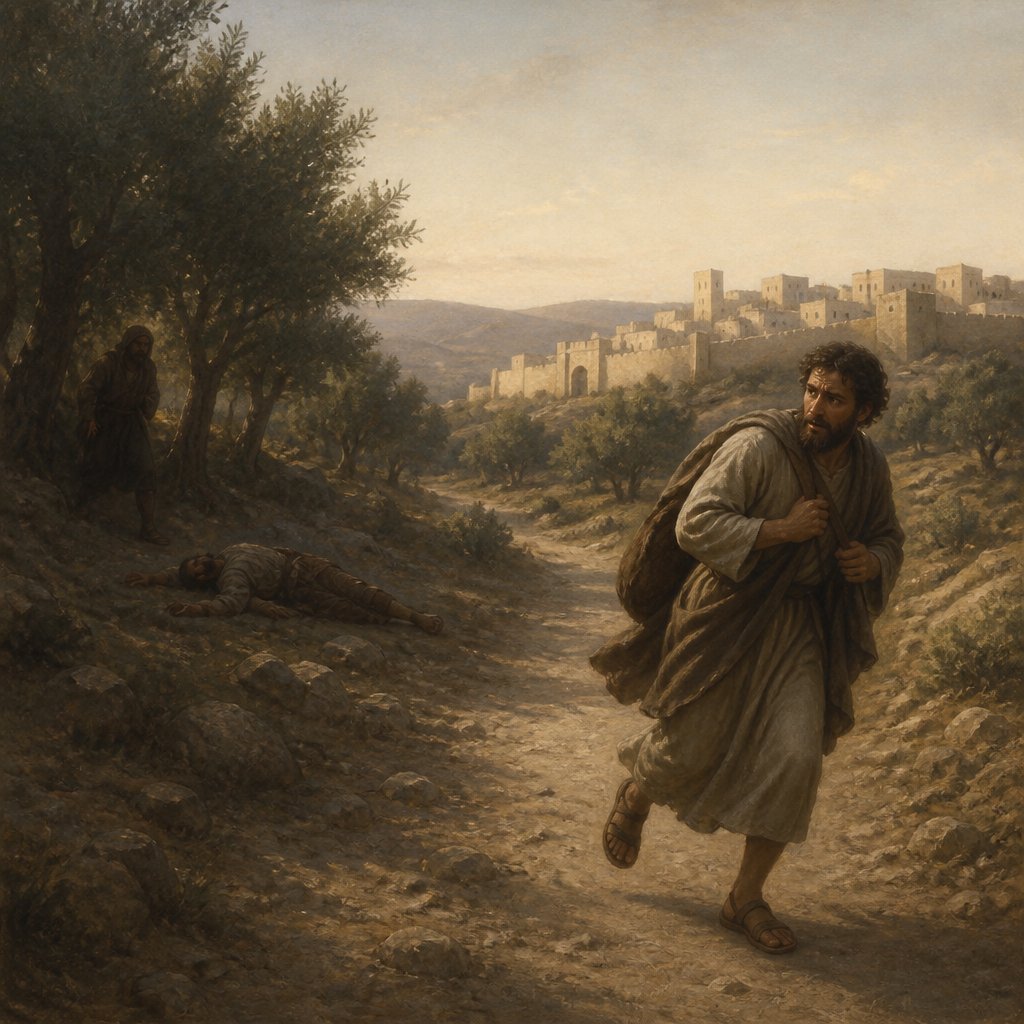
Deuteronomy 19:11 from the King James Version (KJV) of the Bible reads, "But if any man hate his neighbor, and lie in wait for him, and rise up against him, and smite him mortally that he die, and fleeth into one of these cities:" This verse is part of the Old Testament law given by God to the Israelites through Moses. It is found within the larger context of the establishment of cities of refuge in the Promised Land. These cities were designated as safe havens for individuals who unintentionally killed someone to escape blood revenge from the victim's relatives.
The verse, in its literal sense, deals with the act of premeditated murder. It outlines the criteria for an intentional and malicious taking of another person's life. In this context, the verse reinforces the severity of the crime of murder and the importance of justice and fair judgment. It serves as a reminder that God's law condemns intentional harm and violence towards others.
On a deeper level, this verse addresses the issue of hatred and the intention to harm others. The act of "hating one's neighbor" is significant here, as it draws attention to the root cause of violence and conflict – the condition of the human heart. The Bible consistently emphasizes the importance of love and compassion towards others, and the act of hating one's neighbor is seen as a violation of this principle. The verse warns against the destructive nature of hate and the potential for it to lead to violence and even death.
Furthermore, the concept of lying in wait for someone and rising up against them reflects a deliberate and calculated plan to cause harm. It highlights the malicious intent of the perpetrator and the premeditation involved in the act. This mirrors the broader biblical teaching on the sinful nature of human beings and the tendency towards evil and wickedness. It serves as a cautionary reminder of the dangers of harboring hateful thoughts and the potential consequences of acting upon them.
The imagery of fleeing into one of the cities of refuge holds symbolic significance as well. These cities were places of safety and protection, where those who had unintentionally caused harm could find refuge and be spared from the avenger of blood. In a spiritual sense, they can be seen as a representation of God's mercy and grace, as well as the concept of redemption and forgiveness. Just as the cities of refuge provided a place of sanctuary from the consequences of unintentional harm, God offers His people a refuge from the judgment and punishment that their sins deserve. This points to the ultimate hope and salvation found in God's redemptive plan through Jesus Christ.
In terms of broader theological themes, Deuteronomy 19:11 aligns with the concept of justice and the upholding of God's moral law. It underscores the importance of accountability for one's actions and the requirement for righteous judgment. It also emphasizes the value of human life and the sanctity of the individual. From a Christian perspective, it serves as a reminder of the need for repentance and forgiveness, as well as the transformative power of God's love to overcome hatred and reconcile broken relationships.
In conclusion, Deuteronomy 19:11 from the King James Version of the Bible contains rich theological and moral implications. It sheds light on the destructive nature of hatred and the severity of intentional harm towards others, while also pointing to the mercy and refuge found in God. It serves as a timeless reminder of the fundamental principles of justice, love, and redemption that are foundational to the Christian faith.
Get our apps


Artwork for Deuteronomy 19:11

Deuteronomy 19:11 - "¶ But if any man hate his neighbour, and lie in wait for him, and rise up against him, and smite him mortally that he die, and fleeth into one of these cities:"
"¶ But if any man hate his neighbour, and lie in wait for him, and rise up against him, and smite him mortally that he die, and fleeth into one of these cities:" - Deuteronomy 19:11

Deuteronomy 11:19 - "And ye shall teach them your children, speaking of them when thou sittest in thine house, and when thou walkest by the way, when thou liest down, and when thou risest up."

Deuteronomy 30:19:

Deuteronomy 5:19 - "Neither shalt thou steal."

Deuteronomy 11:23

Deuteronomy 11:11 - "But the land, whither ye go to possess it, is a land of hills and valleys, and drinketh water of the rain of heaven:"

Create a picture of Deuteronomy 11:20

Deuteronomy 10:19 - "Love ye therefore the stranger: for ye were strangers in the land of Egypt."

Deuteronomy 14:19 - "And every creeping thing that flieth is unclean unto you: they shall not be eaten."

Deuteronomy 14:11 - "¶ Of all clean birds ye shall eat."

Deuteronomy 18:11 - "Or a charmer, or a consulter with familiar spirits, or a wizard, or a necromancer."

Deuteronomy 27:11 - "¶ And Moses charged the people the same day, saying,"

Ezekiel 28:11-19

Ezekiel 28:11-19

"Neither shalt thou steal." - Deuteronomy 5:19

Deuteronomy 19:7 - "Wherefore I command thee, saying, Thou shalt separate three cities for thee."

Deuteronomy 6:19 - "To cast out all thine enemies from before thee, as the LORD hath spoken."

Ezekiel 28:11-19

Ezekiel 28:11-19

Ezekiel 28:11-19

Ezekiel 28:11-19
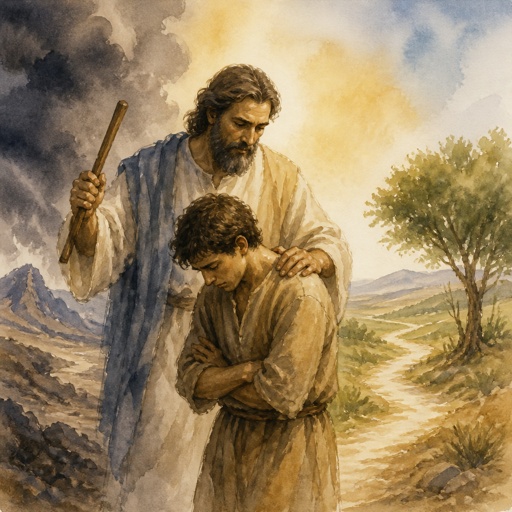
Create a graphic for Deuteronomy 11. God disciplines.
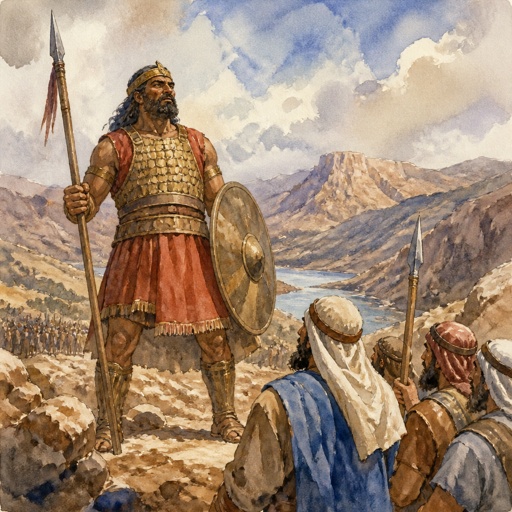
King Og Deuteronomy 3:1-11

Create a graphic for Deuteronomy 11. Blessing and curse

Create a graphic for Deuteronomy 11. God disciplines.
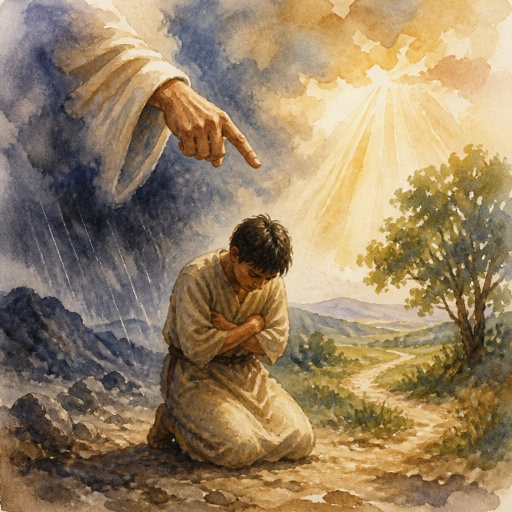
Create a graphic for Deuteronomy 11. God disciplines.

Deuteronomy 11:26 - "¶ Behold, I set before you this day a blessing and a curse;"

Deuteronomy 19:19 - "Then shall ye do unto him, as he had thought to have done unto his brother: so shalt thou put the evil away from among you."

Deuteronomy 27:19 - "Cursed be he that perverteth the judgment of the stranger, fatherless, and widow. And all the people shall say, Amen."