What does Deuteronomy 19:18 mean?
“And the judges shall make diligent inquisition: and, behold, if the witness be a false witness, and hath testified falsely against his brother;” — Deuteronomy 19:18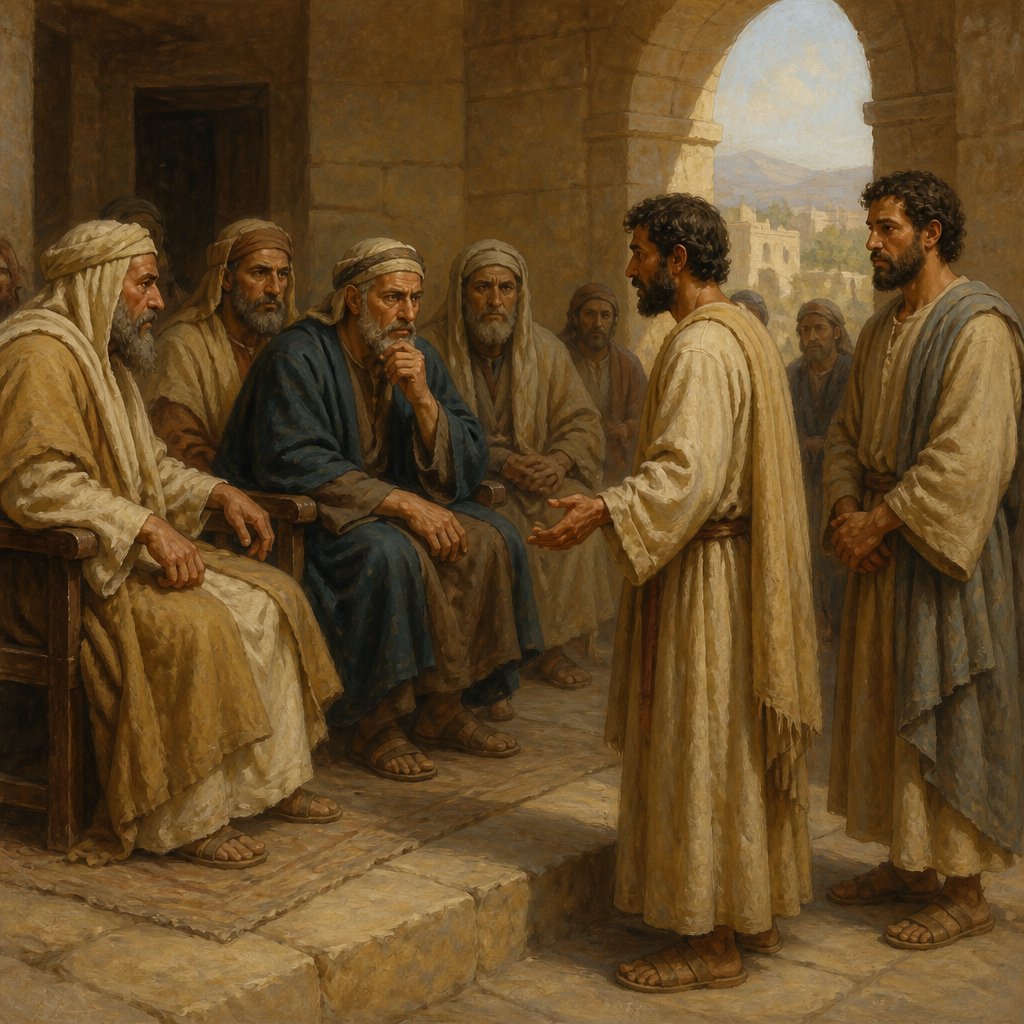
Deuteronomy 19:18 (KJV) states, "And the judges shall make diligent inquisition: and, behold, if the witness be a false witness, and hath testified falsely against his brother."
This verse comes from the Book of Deuteronomy, which is the fifth book of the Hebrew Bible and the Christian Old Testament. Deuteronomy is a book of the law, consisting mainly of a series of addresses and speeches given by Moses to the Israelites before they enter the Promised Land. The book emphasizes the importance of following God's commandments and the consequences of disobedience.
In Deuteronomy 19, the chapter focuses on the establishment of cities of refuge and the need for fair and just legal proceedings. The verse 18 specifically addresses the importance of thorough investigation and the consequences of bearing false witness.
The use of the term "judges" in this verse is significant, as it highlights the role of the justice system in ensuring fairness and truth. The judges are tasked with "making diligent inquisition," meaning they are to thoroughly investigate and inquire into the matter at hand. This emphasizes the importance of gathering all the facts and evidence before reaching a judgment. It also highlights the responsibility of those in positions of authority to uphold justice and righteousness.
The latter part of the verse addresses the consequences of being a false witness. The act of bearing false witness is considered a serious offense in biblical law. The false witness not only lies against their brother but also undermines the integrity of the justice system and jeopardizes the well-being of the community. This reflects the biblical emphasis on the value of truth and the severe consequences of deceit and dishonesty.
The theme of justice and righteousness is a fundamental aspect of this verse. The passage emphasizes the need for fair legal proceedings and the consequences of dishonesty. It reflects the biblical belief in the importance of upholding truth and integrity in all aspects of life. This principle is reiterated throughout the Bible, emphasizing the necessity of justice and righteousness in society.
The context of this verse is crucial to understanding its significance. In ancient Israelite society, the legal system played a vital role in maintaining social order and justice. The laws and regulations outlined in Deuteronomy were intended to guide the Israelites in creating a just and equitable society. This verse serves as a reminder to the judges and the community of their responsibility to pursue truth and administer justice fairly.
Symbolism can also be found in this verse. The concept of bearing false witness has broader implications beyond the legal context. It serves as a metaphor for the destructive nature of deceit and falsehood. This verse highlights the importance of honesty and integrity in relationships and interactions. It also symbolizes the broader biblical theme of the contrast between light and darkness, truth and falsehood.
In summary, Deuteronomy 19:18 emphasizes the importance of truth, justice, and righteousness in the legal system and in all aspects of life. It underscores the need for thorough investigation and the consequences of bearing false witness. The verse serves as a reminder of the biblical principles of honesty, integrity, and fairness. It is a timeless reminder of the value of truth and the repercussions of deceit.
Get our apps


Artwork for Deuteronomy 19:18

Deuteronomy 19:18 - "And the judges shall make diligent inquisition: and, behold, if the witness be a false witness, and hath testified falsely against his brother;"

"And the judges shall make diligent inquisition: and, behold, if the witness be a false witness, and hath testified falsely against his brother;" - Deuteronomy 19:18

Deuteronomy 18:19 - "And it shall come to pass, that whosoever will not hearken unto my words which he shall speak in my name, I will require it of him."

Deuteronomy 10:18-19 - "He doth execute the judgment of the fatherless and widow, and loveth the stranger, in giving him food and raiment. Love ye therefore the stranger: for ye were strangers in the land of Egypt."

Deuteronomy 30:19:

Deuteronomy 5:19 - "Neither shalt thou steal."

"And it shall come to pass, that whosoever will not hearken unto my words which he shall speak in my name, I will require it of him." - Deuteronomy 18:19

Deuteronomy 5:18 - "Neither shalt thou commit adultery."

Luke 10:18-19

Luke 13:18-19

Luke 10:18-19

Luke 10:18-19

Luke 13:18-19

Deuteronomy 18:11 - "Or a charmer, or a consulter with familiar spirits, or a wizard, or a necromancer."

Deuteronomy 18:13 - "Thou shalt be perfect with the LORD thy God."

Luke 10:18-19

Luke 10:18-19

Luke 10:18-19

Deuteronomy 22:18 - "And the elders of that city shall take that man and chastise him;"

Deuteronomy 14:18 - "And the stork, and the heron after her kind, and the lapwing, and the bat."

Genesis 18-19

Job 18-19

Genesis 19-18

Deuteronomy 2:18 - "Thou art to pass over through Ar, the coast of Moab, this day:"

Deuteronomy 10:19 - "Love ye therefore the stranger: for ye were strangers in the land of Egypt."

Deuteronomy 14:19 - "And every creeping thing that flieth is unclean unto you: they shall not be eaten."

Deuteronomy 18:17 - "And the LORD said unto me, They have well spoken that which they have spoken."

Isaiah 43:18-19

Genesis 27:18-19

"Neither shalt thou steal." - Deuteronomy 5:19