What does Deuteronomy 1:35 mean?
“Surely there shall not one of these men of this evil generation see that good land, which I sware to give unto your fathers,” — Deuteronomy 1:35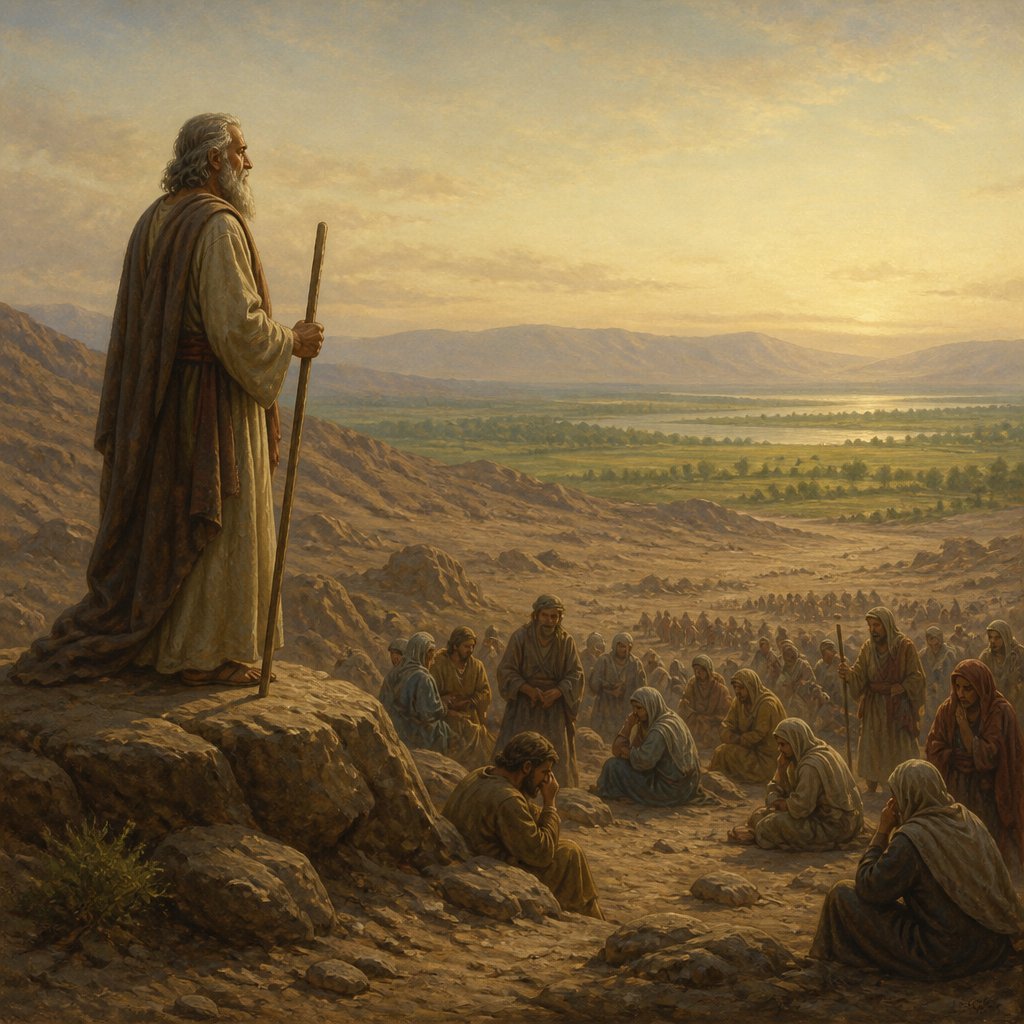
Deuteronomy 1:35 (KJV) reads, "Surely there shall not one of these men of this evil generation see that good land, which I sware to give unto your fathers."
This verse comes from the book of Deuteronomy, which is the fifth book of the Hebrew Bible and the Christian Old Testament. The verse is part of Moses' retelling of the Israelites' journey from Egypt to the promised land of Canaan.
The context of this verse is the Israelites' failure to trust in God and their subsequent lack of faith during their journey. They had been delivered from slavery in Egypt, but they constantly grumbled and complained, doubting God's ability to fulfill his promises. As a result, their lack of faith led to disobedience, which ultimately resulted in them being denied entry into the promised land.
One of the key themes in this verse is the consequences of disobedience and lack of faith. God had promised the Israelites a land flowing with milk and honey, but their disobedience and lack of faith caused them to forfeit that promise. This serves as a powerful reminder of the importance of faith and obedience in the Christian life. It reminds us that God's promises are contingent on our trust and obedience to Him.
Another significant theme is the idea of generational consequences. The "evil generation" referenced in the verse not only refers to the immediate generation of Israelites who doubted God, but it also highlights the impact of their disobedience on future generations. This serves as a cautionary tale, reminding us that our actions and decisions can have far-reaching effects on our descendants.
The verse also serves as a reminder of the importance of trusting in God's promises. Despite the Israelites' lack of faith, God's promise of the promised land remained unchanged. However, their disobedience prevented them from experiencing the fullness of that promise. This is a powerful lesson for us today, reminding us of the need to trust in God's faithfulness and remain obedient to His word.
In terms of symbolism, the "good land" referenced in the verse can be seen as a symbol of God's blessings and promises for His people. It represents a place of abundance, provision, and rest. The denial of entry into the land serves as a symbol of the consequences of disobedience and the importance of faith and obedience in experiencing God's blessings.
Overall, Deuteronomy 1:35 is a poignant reminder of the importance of faith and obedience in the Christian life. It serves as a cautionary tale, highlighting the consequences of disobedience and the far-reaching impact of our actions on future generations. It also symbolizes God's unwavering faithfulness and the need for us to trust in His promises. As we reflect on this verse, may we be inspired to remain steadfast in our faith and obedient to God's word, knowing that His promises are true and trustworthy.
Get our apps


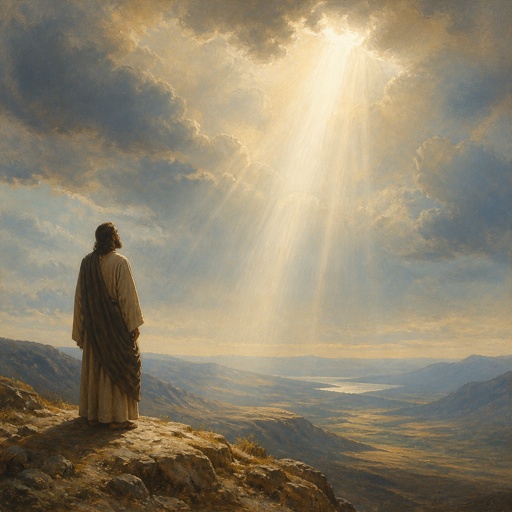
Artwork for Deuteronomy 1:35
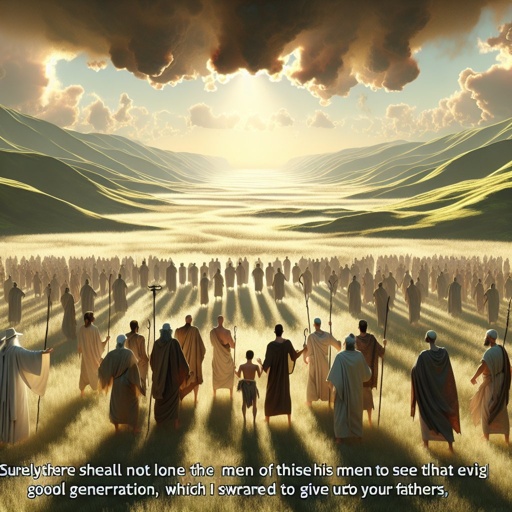
Deuteronomy 1:35 - "Surely there shall not one of these men of this evil generation see that good land, which I sware to give unto your fathers,"
"Surely there shall not one of these men of this evil generation see that good land, which I sware to give unto your fathers," - Deuteronomy 1:35

Deuteronomy 2:35 - "Only the cattle we took for a prey unto ourselves, and the spoil of the cities which we took."

Deuteronomy 4:35 - "Unto thee it was shewed, that thou mightest know that the LORD he is God; there is none else beside him."

Deuteronomy 28:35 - "The LORD shall smite thee in the knees, and in the legs, with a sore botch that cannot be healed, from the sole of thy foot unto the top of thy head."

Deuteronomy 32:35 - "To me belongeth vengeance, and recompence; their foot shall slide in due time: for the day of their calamity is at hand, and the things that shall come upon them make haste."

1 Samuel 17:34-35

Luke 24:35

Genesis 31:35

Genesis 35:16-20

Genesis 29:16-35

genesis 26:1-35

1 Chronicles 1:35 - "¶ The sons of Esau; Eliphaz, Reuel, and Jeush, and Jaalam, and Korah."

Job 35:1 - "Elihu spake moreover, and said,"

Luke 24:13-35

Lucas 20:34-35
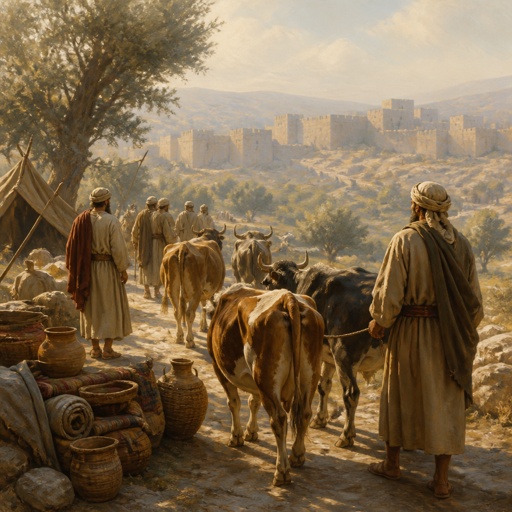
"Only the cattle we took for a prey unto ourselves, and the spoil of the cities which we took." - Deuteronomy 2:35
"Unto thee it was shewed, that thou mightest know that the LORD he is God; there is none else beside him." - Deuteronomy 4:35

Ezekiel 35:1 - "Moreover the word of the LORD came unto me, saying,"

1 Corinthians 15:35 (KJVA) 35 But some man will say, How are the dead raised up? and with what body do they come?

1 Chronicles 8:35 - "And the sons of Micah were, Pithon, and Melech, and Tarea, and Ahaz."

1 Chronicles 11:35 - "Ahiam the son of Sacar the Hararite, Eliphal the son of Ur,"

1 Chronicles 4:35 - "And Joel, and Jehu the son of Josibiah, the son of Seraiah, the son of Asiel,"

Deuteronomy 32:41

1 Chronicles 12:35 - "And of the Danites expert in war twenty and eight thousand and six hundred."

1 Chronicles 7:35 - "And the sons of his brother Helem; Zophah, and Imna, and Shelesh, and Amal."

John 1:35 - "¶ Again the next day after John stood, and two of his disciples;"

1 Chronicles 6:35 - "The son of Zuph, the son of Elkanah, the son of Mahath, the son of Amasai,"

Deuteronomy 32:43

1 Chronicles 9:35 - "¶ And in Gibeon dwelt the father of Gibeon, Jehiel, whose wife's name was Maachah:"