What does Deuteronomy 20:19 mean?
“When thou shalt besiege a city a long time, in making war against it to take it, thou shalt not destroy the trees thereof by forcing an axe against them: for thou mayest eat of them, and thou shalt not cut them down ( for the tree of the field is man’s life) to employ them in the siege:” — Deuteronomy 20:19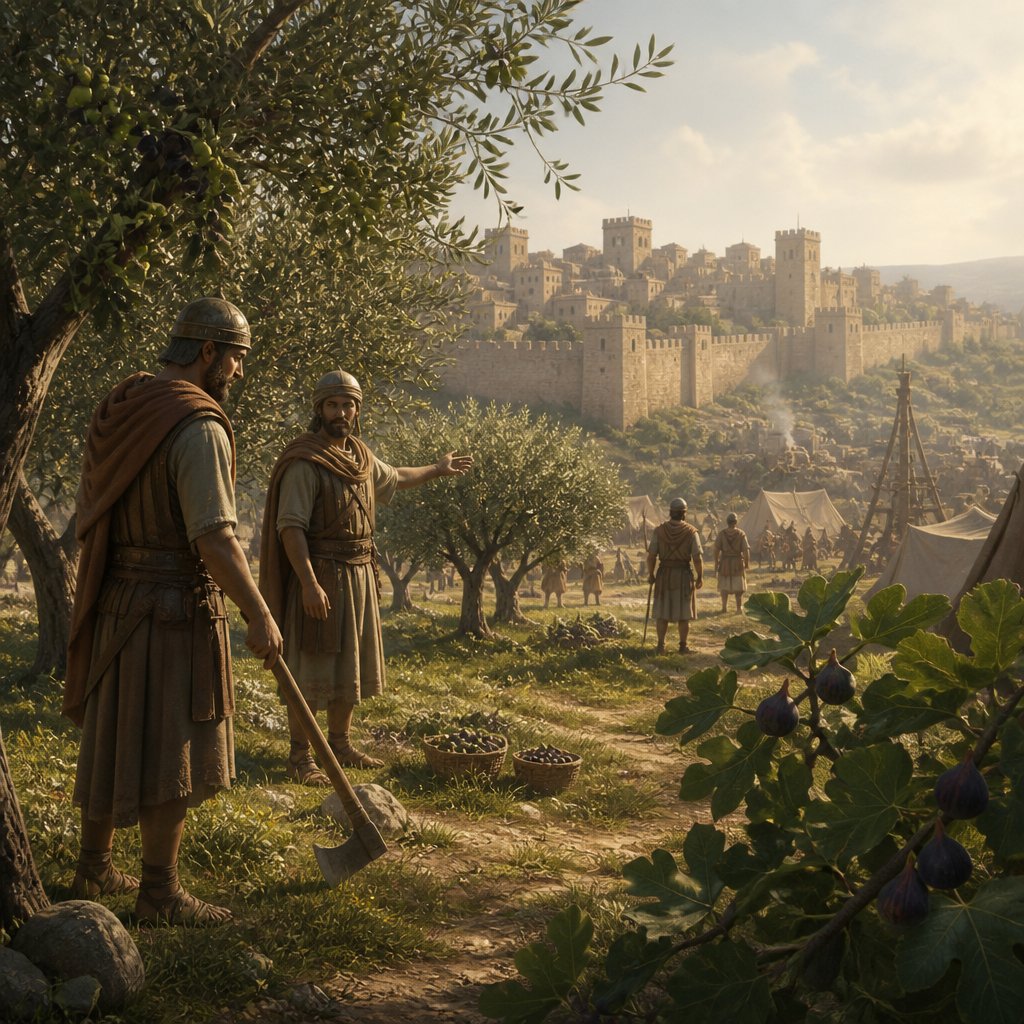
Deuteronomy 20:19 (KJV) states, "When thou shalt besiege a city a long time, in making war against it to take it, thou shalt not destroy the trees thereof by forcing an axe against them: for thou mayest eat of them, and thou shalt not cut them down (for the tree of the field is man's life) to employ them in the siege."
This verse from the book of Deuteronomy is part of a larger passage that outlines the laws and regulations for warfare that the Israelites are to follow. In this specific verse, the focus is on the protection of the natural environment during times of conflict. The Israelites are commanded not to destroy the trees around a city that they are besieging in order to use them for their own benefit during the siege.
The underlying theme of this verse is the importance of being good stewards of the land and the environment, even in times of war. The preservation of the trees is seen as a recognition of their inherent value and importance, and as a reminder that the land is not to be exploited or misused, even in the pursuit of victory in battle.
The context of this verse is significant for understanding its meaning and significance. In ancient times, besieging a city was a common tactic in warfare, and it often involved significant destruction of the surrounding area as the attacking army sought to gain the upper hand. In this verse, God is instructing the Israelites to conduct themselves with respect for the natural resources and to avoid unnecessary destruction, even in the midst of conflict.
Symbolically, the trees in this verse can be seen as representing the natural world and all of God's creation. By commanding the Israelites to spare the trees during a siege, God is emphasizing the value of the natural world and the importance of preserving it, even in difficult circumstances. This command reflects God's concern for the environment and His desire for humanity to be responsible stewards of the earth.
Furthermore, the verse also speaks to the sanctity of life and the recognition that the natural world sustains and provides for humanity. The phrase "for the tree of the field is man's life" underscores the interconnectedness of humanity and the natural world, and the importance of maintaining that relationship even in times of conflict. The trees are not to be cut down and used for the benefit of the besieging army, but are to remain for the benefit of all, symbolizing the need for balance and harmony in the relationship between humanity and the natural world.
In a broader sense, this verse can be seen as a reflection of God's overarching principles of justice, compassion, and care for creation. It highlights the importance of maintaining ethical behavior and respect for the environment in all aspects of life, including times of conflict and struggle.
In conclusion, Deuteronomy 20:19 from the King James Version of the Bible carries a powerful message about the importance of respecting the natural world and being responsible stewards of the earth, even in times of war and conflict. The verse underscores the interconnectedness of humanity and the environment, and the need to prioritize the preservation of God's creation. It serves as a reminder of the broader ethical and moral principles that underpin God's commandments and His expectations for how His people should conduct themselves in the world.
Get our apps


Artwork for Deuteronomy 20:19
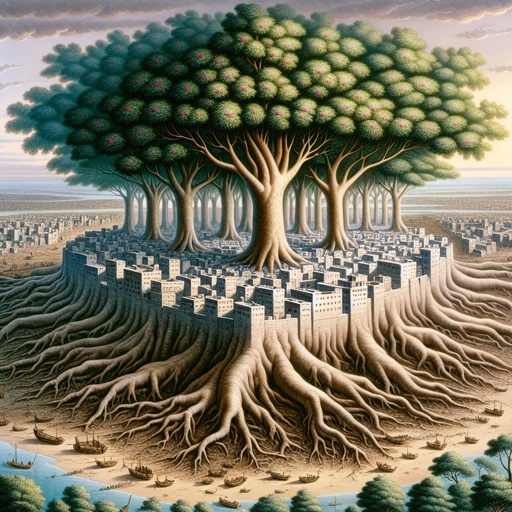
Deuteronomy 20:19 - "¶ When thou shalt besiege a city a long time, in making war against it to take it, thou shalt not destroy the trees thereof by forcing an axe against them: for thou mayest eat of them, and thou shalt not cut them down (for the tree of the field is man's life) to employ them in the siege:"
"¶ When thou shalt besiege a city a long time, in making war against it to take it, thou shalt not destroy the trees thereof by forcing an axe against them: for thou mayest eat of them, and thou shalt not cut them down (for the tree of the field is man's life) to employ them in the siege:" - Deuteronomy 20:19

Deuteronomy 19:20 - "And those which remain shall hear, and fear, and shall henceforth commit no more any such evil among you."
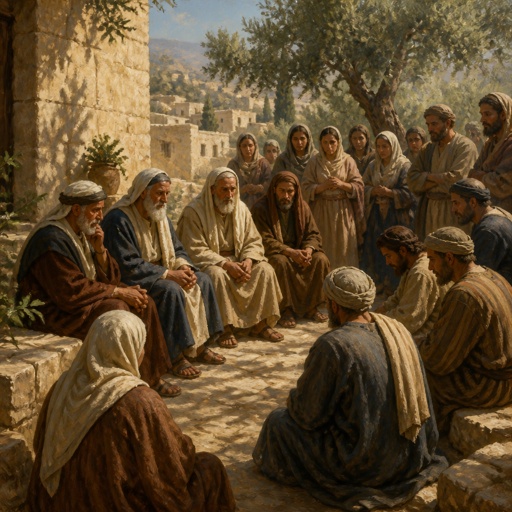
"And those which remain shall hear, and fear, and shall henceforth commit no more any such evil among you." - Deuteronomy 19:20

Deuteronomy 20:16

Deuteronomy 20:16

Deuteronomy 20:16

Deuteronomy 30:19:

Deuteronomy 5:19 - "Neither shalt thou steal."

Create a picture of Deuteronomy 11:20

Deuteronomy 22:20 - "But if this thing be true, and the tokens of virginity be not found for the damsel:"

Deuteronomy 14:20 - "But of all clean fowls ye may eat."

Genesis 19-20

Genesis 20-19

Deuteronomy 5:20 - "Neither shalt thou bear false witness against thy neighbour."

Deuteronomy 10:19 - "Love ye therefore the stranger: for ye were strangers in the land of Egypt."

Deuteronomy 14:19 - "And every creeping thing that flieth is unclean unto you: they shall not be eaten."

Joshua 19:20 - "And Rabbith, and Kishion, and Abez,"

Deuteronomy 20:12 - "And if it will make no peace with thee, but will make war against thee, then thou shalt besiege it:"

Exodus 27:19-20

Wisdom 8:19-20

Matthew 28:19-20

Matthew 28:19-20

Matthew 28: 19-20

Wisdom 8:19-20

Exodus 19:16-20

Matthew 28:19-20

"Neither shalt thou steal." - Deuteronomy 5:19

Deuteronomy 19:7 - "Wherefore I command thee, saying, Thou shalt separate three cities for thee."

Deuteronomy 6:19 - "To cast out all thine enemies from before thee, as the LORD hath spoken."