What does Deuteronomy 20:5 mean?
“And the officers shall speak unto the people, saying, What man is there that hath built a new house, and hath not dedicated it? let him go and return to his house, lest he die in the battle, and another man dedicate it.” — Deuteronomy 20:5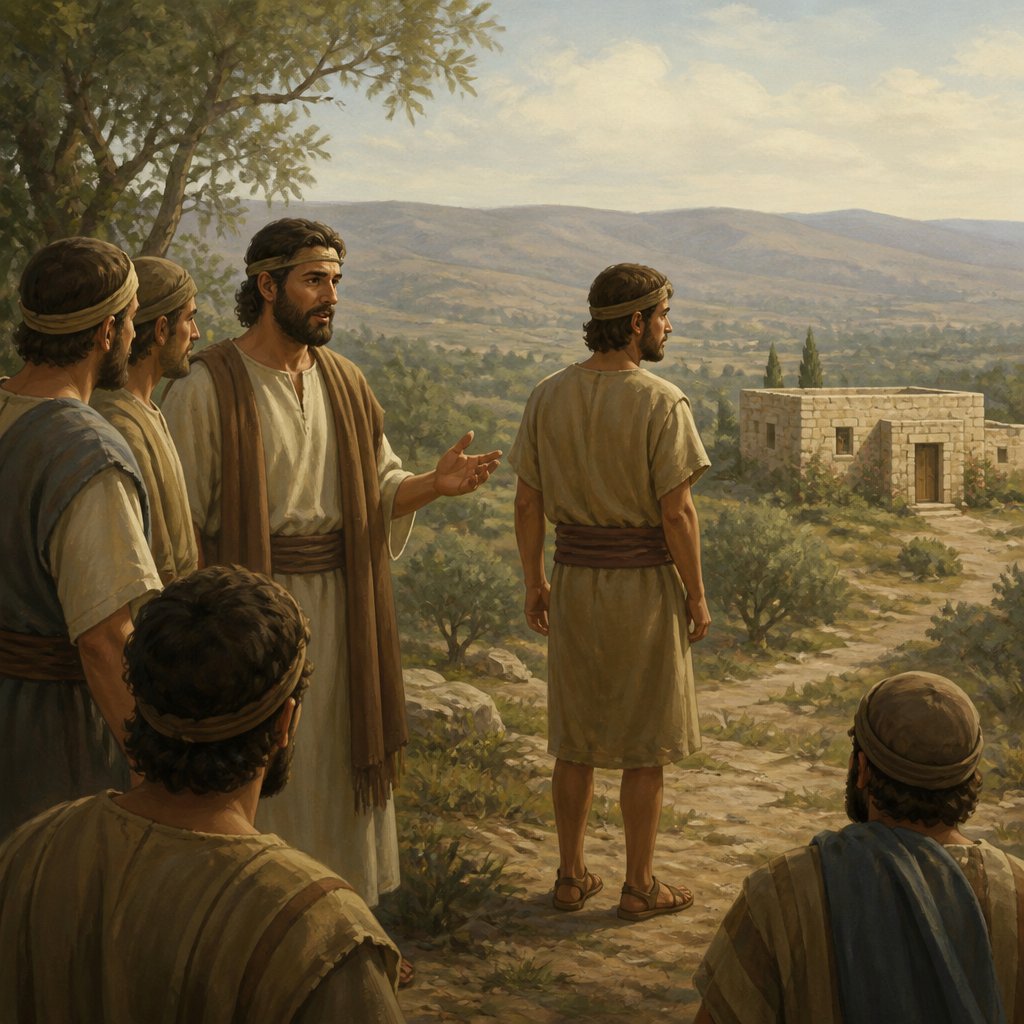
Deuteronomy 20:5 (KJV) states, "And the officers shall speak unto the people, saying, What man is there that hath built a new house, and hath not dedicated it? let him go and return to his house, lest he die in the battle, and another man dedicate it."
This verse is a part of a larger passage in the book of Deuteronomy that provides instructions to the Israelites for going to war. The overall context of this verse is the guidance given by God to His people on how to conduct themselves during times of conflict and battle. The preceding verses detail the process of mustering the army and appointing leaders, and the following verses provide rules for besieging a city. Within this larger context, Deuteronomy 20:5 serves as a specific instruction regarding exemptions from military service.
The verse begins with a command for the officers to address the people. In the ancient Israelite society, officers served as leaders in the military and held authority over the soldiers. The officers are instructed to ask the people if anyone has built a new house but has not yet dedicated it. This inquiry establishes a scenario in which exemption from military service could be granted. The act of dedicating a new house was significant in the Israelite culture, as it symbolized the completion of a significant accomplishment and the establishment of a new phase in life. The dedication of the house would have involved rituals and ceremonies, signifying the homeowner's commitment to God and seeking His blessings for the new dwelling.
The verse then presents the consequence of not exempting the individual in this scenario – death in battle and the possibility of another man dedicating the house. This serves as a reminder of the seriousness of military service and the potential consequences of neglecting to prioritize the dedication of the new house. Additionally, it underscores the importance of honoring and respecting God's blessings and the rituals associated with significant life events.
One of the key themes present in Deuteronomy 20:5 is the idea of priorities and responsibilities. The verse emphasizes the importance of honoring and acknowledging significant personal achievements and milestones before committing to the demands of military service. This aligns with the larger biblical theme of prioritizing one's relationship with God and recognizing His authority over all aspects of life, including decisions regarding warfare. The act of dedicating a new house symbolizes the acknowledgment of God's provision and the desire for His presence and blessings in the new dwelling, and this takes precedence over participating in battle.
Another theme that emerges from this verse is the concept of discernment and discretion in leadership. The officers are entrusted with the task of addressing the people and evaluating their individual circumstances to determine who is exempt from military service based on the criteria provided. This requires a level of wisdom, sensitivity, and fairness in making decisions that affect the lives of the individuals under their command. It also emphasizes the need for leaders to understand the cultural and religious significance of the people they are leading, and to respect and uphold those values in their leadership.
Symbolically, the dedication of the new house represents a broader principle of consecration and commitment to God. Throughout the Bible, the act of dedicating a place or an object to God signifies a separation from common use and a setting apart for sacred purposes. This principle applies not only to physical dwellings but also to consecrating one's heart, life, and actions to God. By emphasizing the importance of dedicating the new house, the verse reinforces the idea of prioritizing spiritual devotion and aligning one's life with God's purposes before engaging in other pursuits or responsibilities.
In conclusion, Deuteronomy 20:5 offers valuable insights into the biblical perspective on warfare, priorities, and leadership. It emphasizes the significance of honoring God and seeking His blessings in life's milestones, and the importance of discernment and discretion in decision-making, particularly in matters of military service. The verse highlights the broader themes of consecration, responsibility, and the sanctification of everyday life, serving as a reminder of the need to align our actions with God's purposes and seek His guidance in all aspects of life.
Get our apps


Artwork for Deuteronomy 20:5

Deuteronomy 20:5 - "¶ And the officers shall speak unto the people, saying, What man is there that hath built a new house, and hath not dedicated it? let him go and return to his house, lest he die in the battle, and another man dedicate it."
"¶ And the officers shall speak unto the people, saying, What man is there that hath built a new house, and hath not dedicated it? let him go and return to his house, lest he die in the battle, and another man dedicate it." - Deuteronomy 20:5

Deuteronomy 5:20 - "Neither shalt thou bear false witness against thy neighbour."

"Neither shalt thou bear false witness against thy neighbour." - Deuteronomy 5:20

Deuteronomy 20:16

Deuteronomy 20:16

Deuteronomy 20:16

Create a picture of Deuteronomy 11:20

Deuteronomy 22:20 - "But if this thing be true, and the tokens of virginity be not found for the damsel:"

Deuteronomy 14:20 - "But of all clean fowls ye may eat."
Deuteronomy 5 pictures

Deuteronomy 5:17 - "Thou shalt not kill."

Deuteronomy 34:5-6

Deuteronomy 5:19 - "Neither shalt thou steal."

Deuteronomy 20:12 - "And if it will make no peace with thee, but will make war against thee, then thou shalt besiege it:"

Deuteronomy 5:18 - "Neither shalt thou commit adultery."

Deuteronomy 28:5 - "Blessed shall be thy basket and thy store."

Deuteronomy 20:10 - "¶ When thou comest nigh unto a city to fight against it, then proclaim peace unto it."

Deuteronomy 5:2 - "The LORD our God made a covenant with us in Horeb."

Deuteronomy 11:20 - "And thou shalt write them upon the door posts of thine house, and upon thy gates:"

Deuteronomy 20:20 - "Only the trees which thou knowest that they be not trees for meat, thou shalt destroy and cut them down; and thou shalt build bulwarks against the city that maketh war with thee, until it be subdued."

Deuteronomy 5:30 - "Go say to them, Get you into your tents again."

Deuteronomy 20:2 - "And it shall be, when ye are come nigh unto the battle, that the priest shall approach and speak unto the people,"

Deuteronomy 20:4 - "For the LORD your God is he that goeth with you, to fight for you against your enemies, to save you."

Deuteronomy 9:20 - "And the LORD was very angry with Aaron to have destroyed him: and I prayed for Aaron also the same time."

Deuteronomy 2:20 - "(That also was accounted a land of giants: giants dwelt therein in old time; and the Ammonites call them Zamzummims;"

Genesis 20-5

"Thou shalt not kill." - Deuteronomy 5:17

Deuteronomy 5:7 - "Thou shalt have none other gods before me."

Deuteronomy 5:13 - "Six days thou shalt labour, and do all thy work:"