What does Deuteronomy 20:9 mean?
“And it shall be, when the officers have made an end of speaking unto the people, that they shall make captains of the armies to lead the people.” — Deuteronomy 20:9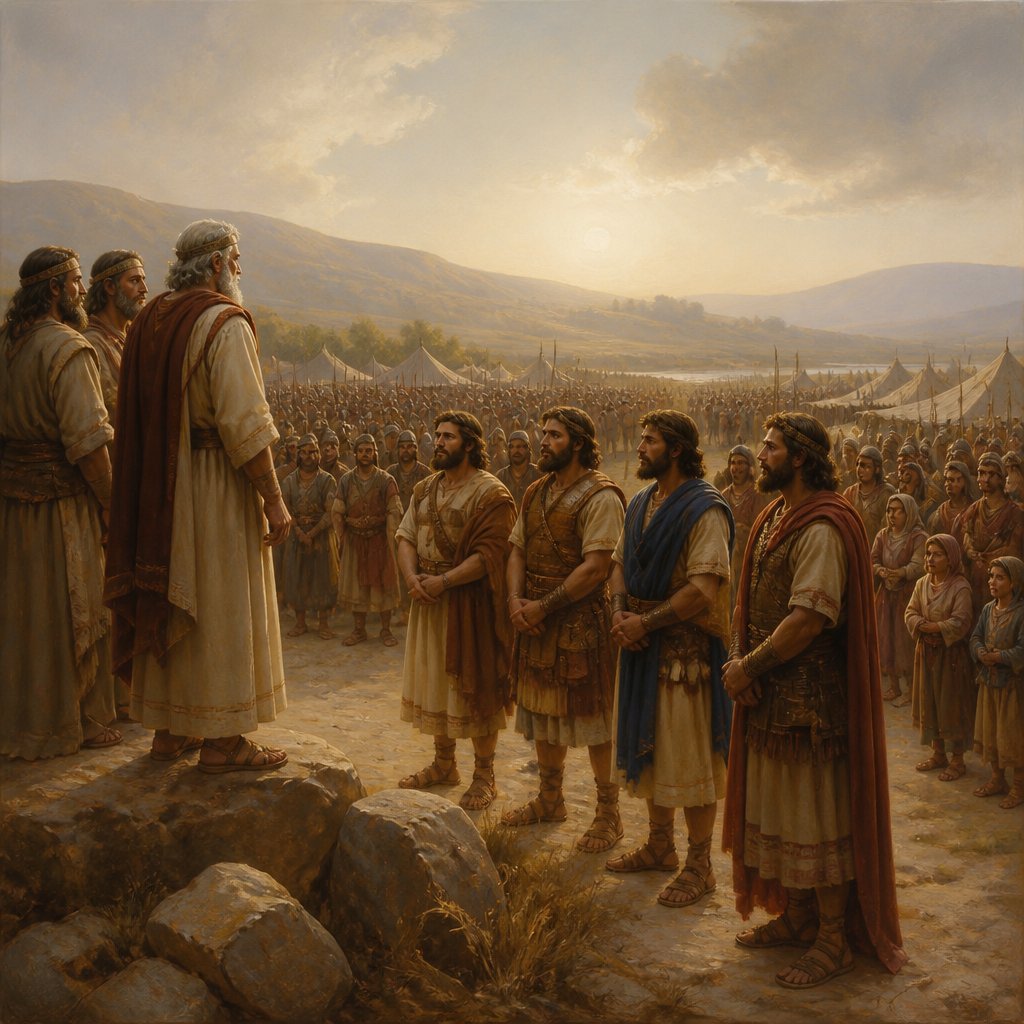
Deuteronomy 20:9 in the King James Version (KJV) of the Bible states, "And it shall be, when the officers have made an end of speaking unto the people, that they shall make captains of the armies to lead the people." This verse is part of a larger passage in the book of Deuteronomy that outlines the laws and instructions for the Israelites as they prepare to enter the Promised Land. The specific context of this verse is in relation to the instructions for going to battle against their enemies.
The book of Deuteronomy is considered to be the last book of the Pentateuch, or the first five books of the Old Testament. It is a record of the teachings and instructions given by Moses to the Israelites before they entered the Promised Land. The book is structured as a series of speeches given by Moses, in which he reminds the people of the laws and commandments that they are to follow in order to live in obedience to God.
The verse in question, Deuteronomy 20:9, is part of a larger passage that deals with the regulations for going to war. In the preceding verses, the Israelites are given guidance on how to conduct themselves in battle, including being assured of God's presence with them, release of certain individuals from military service, and a proper approach to besieging a city. In verse 9, the focus is on the appointment of military leaders to lead the people in battle.
One of the key themes in this verse is the importance of leadership. The officers are responsible for communicating the commands to the people, and then they are to appoint captains to lead the armies in battle. This demonstrates the hierarchy and organization that is necessary for the Israelites to effectively fight and succeed in their military endeavors. The emphasis on the appointment of leaders also highlights the importance of having strong, capable individuals to guide and direct the people in times of conflict and uncertainty.
Another theme that can be derived from this verse is the concept of obedience to authority. The Israelites are expected to heed the instructions of their leaders and submit to the authority that has been established. The appointment of captains is a symbol of the Israelites' willingness to follow and obey those who have been placed in positions of leadership and responsibility. This serves as a reminder of the importance of respect for authority and the need for order within the community.
Symbolism can also be found in this verse, particularly in the imagery of the officers making an end of speaking to the people and then appointing captains to lead the armies. This can be seen as a metaphor for the transition from receiving instruction and guidance to taking action and engaging in the physical and spiritual battles that lie ahead. The officers represent the role of instruction and communication, while the captains embody the role of leadership and direction in the fulfillment of the Israelites' duties.
In conclusion, Deuteronomy 20:9 is a verse that holds significance within its broader context of the regulations for going to war as outlined in the book of Deuteronomy. It speaks to the themes of leadership, obedience to authority, and the transition from instruction to action. As part of the larger narrative of the Israelites' journey to the Promised Land, this verse serves as a reminder of the importance of organization, guidance, and unity in the face of adversity. It provides timeless lessons for believers about the role of leadership and the need for obedience to those in authority, as well as the spiritual battles we may face in our own lives.
Get our apps


Artwork for Deuteronomy 20:9

Deuteronomy 20:9 - "And it shall be, when the officers have made an end of speaking unto the people, that they shall make captains of the armies to lead the people."
"And it shall be, when the officers have made an end of speaking unto the people, that they shall make captains of the armies to lead the people." - Deuteronomy 20:9

Deuteronomy 9:20 - "And the LORD was very angry with Aaron to have destroyed him: and I prayed for Aaron also the same time."

Deuteronomy 20:16

Deuteronomy 20:16

Deuteronomy 20:16
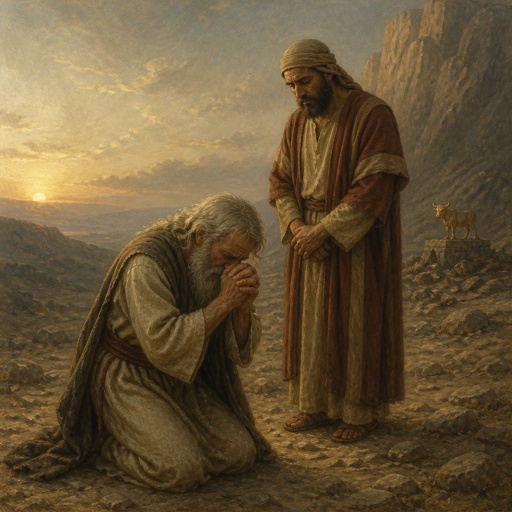
"And the LORD was very angry with Aaron to have destroyed him: and I prayed for Aaron also the same time." - Deuteronomy 9:20

Create a picture of Deuteronomy 11:20

Deuteronomy 22:20 - "But if this thing be true, and the tokens of virginity be not found for the damsel:"

Deuteronomy 14:20 - "But of all clean fowls ye may eat."

Deuteronomy 5:20 - "Neither shalt thou bear false witness against thy neighbour."

Deuteronomy 20:12 - "And if it will make no peace with thee, but will make war against thee, then thou shalt besiege it:"

Deuteronomy 20:10 - "¶ When thou comest nigh unto a city to fight against it, then proclaim peace unto it."

Deuteronomy 11:20 - "And thou shalt write them upon the door posts of thine house, and upon thy gates:"

Deuteronomy 32:9 - "For the LORD'S portion is his people; Jacob is the lot of his inheritance."

Deuteronomy 20:20 - "Only the trees which thou knowest that they be not trees for meat, thou shalt destroy and cut them down; and thou shalt build bulwarks against the city that maketh war with thee, until it be subdued."

Deuteronomy 3:9 - "(Which Hermon the Sidonians call Sirion; and the Amorites call it Shenir;)"

Deuteronomy 9:22 - "And at Taberah, and at Massah, and at Kibroth-hattaavah, ye provoked the LORD to wrath."

Genesis 20:9

Deuteronomy 20:2 - "And it shall be, when ye are come nigh unto the battle, that the priest shall approach and speak unto the people,"

Deuteronomy 20:4 - "For the LORD your God is he that goeth with you, to fight for you against your enemies, to save you."

Deuteronomy 2:20 - "(That also was accounted a land of giants: giants dwelt therein in old time; and the Ammonites call them Zamzummims;"

Deuteronomy 33:20 - "¶ And of Gad he said, Blessed be he that enlargeth Gad: he dwelleth as a lion, and teareth the arm with the crown of the head."

Deuteronomy 19:20 - "And those which remain shall hear, and fear, and shall henceforth commit no more any such evil among you."

"But of all clean fowls ye may eat." - Deuteronomy 14:20

"But if this thing be true, and the tokens of virginity be not found for the damsel:" - Deuteronomy 22:20

Deuteronomy 6:9 - "And thou shalt write them upon the posts of thy house, and on thy gates."

Deuteronomy 7:20 - "Moreover the LORD thy God will send the hornet among them, until they that are left, and hide themselves from thee, be destroyed."

Acts 9:1-20

Acts 9:1-20