What does Deuteronomy 21:15 mean?
“If a man have two wives, one beloved, and another hated, and they have born him children, both the beloved and the hated; and if the firstborn son be hers that was hated:” — Deuteronomy 21:15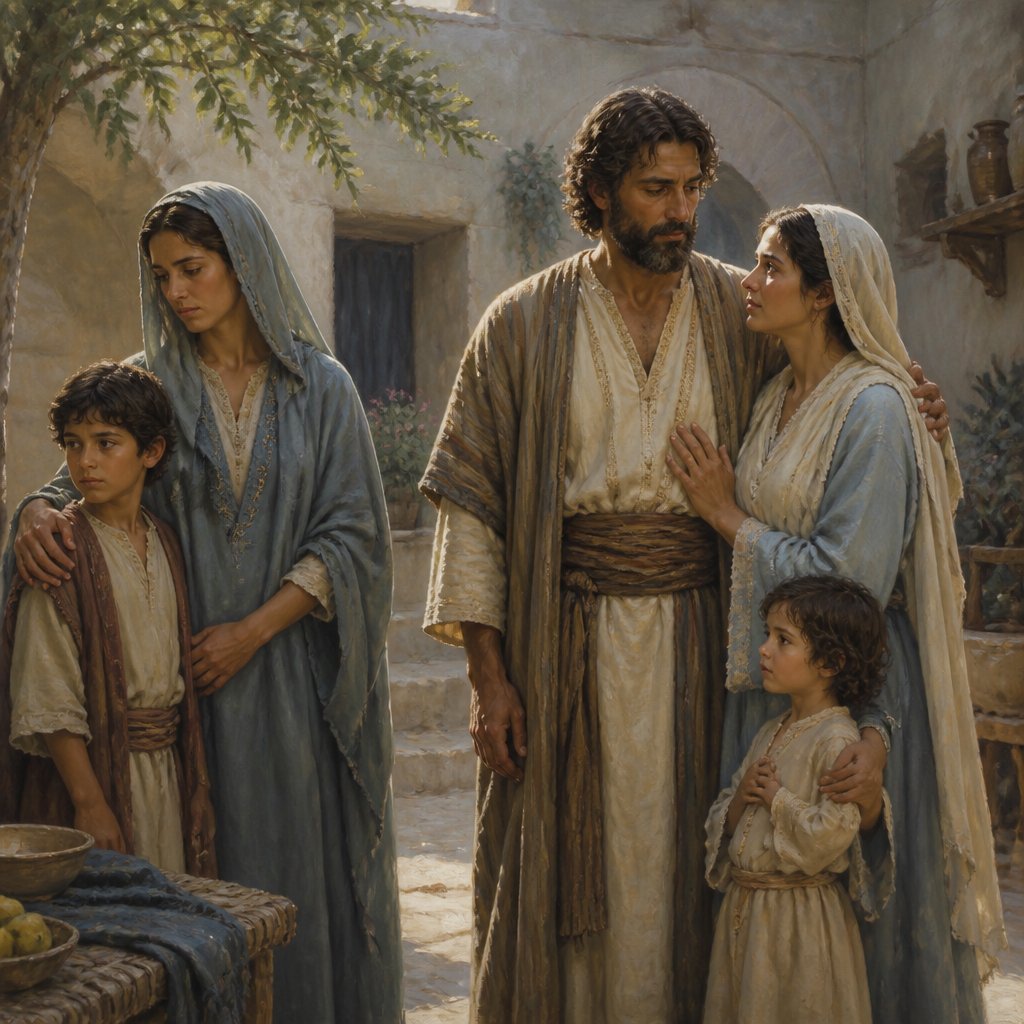
Deuteronomy 21:15 in the King James Version of the Bible reads, "If a man have two wives, one beloved, and another hated, and they have born him children, both the beloved and the hated; and if the firstborn son be hers that was hated."
This verse from the book of Deuteronomy is part of the Old Testament, specifically in the section of laws and commands given to the Israelites by God through Moses. It addresses the issue of a man having multiple wives and the inheritance rights of his children.
The context of this verse is important to understand its significance. In ancient Israelite society, polygamy was not uncommon, and it was culturally accepted for a man to have multiple wives. However, Deuteronomy 21:15 presents a scenario in which a man has two wives, one whom he loves and another whom he despises. In this context, the verse deals with the complexities of family dynamics and the legal implications of relationships within a polygamous marriage.
The underlying theme of this verse is the importance of justice and fairness in matters of inheritance and familial relationships. Despite the cultural acceptance of polygamy, the verse is clear in its declaration that the firstborn son, regardless of the relationship between the man and his wives, should be granted his rightful inheritance. This command highlights the principle of impartiality and fairness in the distribution of wealth and property, emphasizing the importance of recognizing the rights of all children, regardless of their mother's status within the family.
Moreover, this verse also sheds light on the consequences of favoritism and division within the family unit. The mention of one wife being "beloved" and the other "hated" reflects the potential for strife and discord within a polygamous household. The verse serves as a reminder of the destructive nature of favoritism and the need for unity and harmony within the family structure. It implies that the presence of discord and division can have far-reaching implications, affecting the inheritance and welfare of the children.
Symbolically, this verse can be interpreted as a lesson in compassion and empathy. The image of a man with multiple wives and the unequal treatment of his children serves as a cautionary tale against the pitfalls of inequality and injustice. It encourages a sense of empathy and understanding for those who may be marginalized or mistreated within a family environment.
Furthermore, in a broader theological sense, this verse speaks to the overarching theme of God's commandments regarding family relationships and social justice. It underscores the divine mandate for equity and fairness in the treatment of all individuals, particularly within the context of family dynamics. This aligns with the larger biblical narrative of God's concern for the marginalized and oppressed, emphasizing the importance of treating all members of society with compassion and respect.
In conclusion, Deuteronomy 21:15 addresses the complexities of family dynamics within the context of polygamous relationships and the importance of fairness and justice in matters of inheritance and familial unity. It serves as a reminder of the potential consequences of favoritism and division within the family unit and underscores the broader theological themes of social justice and compassion. Despite the specific cultural and historical context of polygamy in ancient Israelite society, the underlying principles of fairness and equality remain pertinent and relevant in contemporary discussions of familial relationships and the treatment of marginalized individuals.
Get our apps


Artwork for Deuteronomy 21:15

Deuteronomy 21:15 - "¶ If a man have two wives, one beloved, and another hated, and they have born him children, both the beloved and the hated; and if the firstborn son be hers that was hated:"
"¶ If a man have two wives, one beloved, and another hated, and they have born him children, both the beloved and the hated; and if the firstborn son be hers that was hated:" - Deuteronomy 21:15

Deuteronomy 15:21 - "And if there be any blemish therein, as if it be lame, or blind, or have any ill blemish, thou shalt not sacrifice it unto the LORD thy God."

Deuteronomy 1.1-21
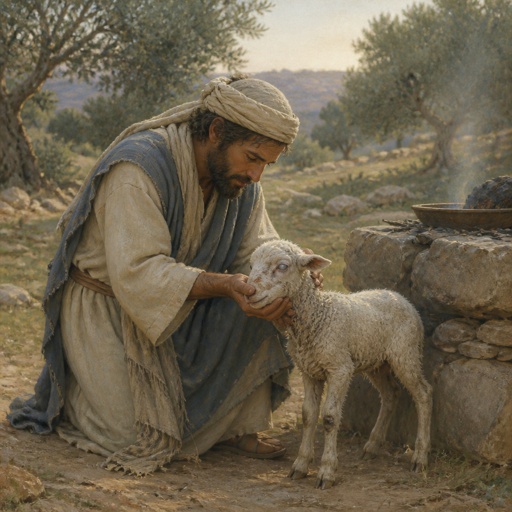
"And if there be any blemish therein, as if it be lame, or blind, or have any ill blemish, thou shalt not sacrifice it unto the LORD thy God." - Deuteronomy 15:21

Deuteronomy 3:15 - "And I gave Gilead unto Machir."

Luke 15:21

Luke 15:21

Genesis 15:21

Exodus 15:21

Genesis 21-15

Deuteronomy 15:1 - "At the end of every seven years thou shalt make a release."

Deuteronomy 14:15 - "And the owl, and the night hawk, and the cuckow, and the hawk after his kind,"

Deuteronomy 33:15 - "And for the chief things of the ancient mountains, and for the precious things of the lasting hills,"

Deuteronomy 27:21 - "Cursed be he that lieth with any manner of beast. And all the people shall say, Amen."

Deuteronomy 15:15 - "And thou shalt remember that thou wast a bondman in the land of Egypt, and the LORD thy God redeemed thee: therefore I command thee this thing to day."

Deuteronomy 21:21 - "And all the men of his city shall stone him with stones, that he die: so shalt thou put evil away from among you; and all Israel shall hear, and fear."

John 14:15-21

Deuteronomy 7:21 - "Thou shalt not be affrighted at them: for the LORD thy God is among you, a mighty God and terrible."

John 21:15-19

Luke 21:15-19

Deuteronomy 18:21 - "And if thou say in thine heart, How shall we know the word which the LORD hath not spoken?"

Deuteronomy 21:7 - "And they shall answer and say, Our hands have not shed this blood, neither have our eyes seen it."

Genesis 15:21 - "And the Amorites, and the Canaanites, and the Girgashites, and the Jebusites."

Deuteronomy 21:22 - "¶ And if a man have committed a sin worthy of death, and he be to be put to death, and thou hang him on a tree:"

Deuteronomy 31:15 - "And the LORD appeared in the tabernacle in a pillar of a cloud: and the pillar of the cloud stood over the door of the tabernacle."

Deuteronomy 11:15 - "And I will send grass in thy fields for thy cattle, that thou mayest eat and be full."

Deuteronomy 30:15 - "¶ See, I have set before thee this day life and good, and death and evil;"

Deuteronomy 2:21 - "A people great, and many, and tall, as the Anakims; but the LORD destroyed them before them; and they succeeded them, and dwelt in their stead:"

Deuteronomy 21:6 - "And all the elders of that city, that are next unto the slain man, shall wash their hands over the heifer that is beheaded in the valley:"