What does Deuteronomy 21:9 mean?
“So shalt thou put away the guilt of innocent blood from among you, when thou shalt do that which is right in the sight of the LORD.” — Deuteronomy 21:9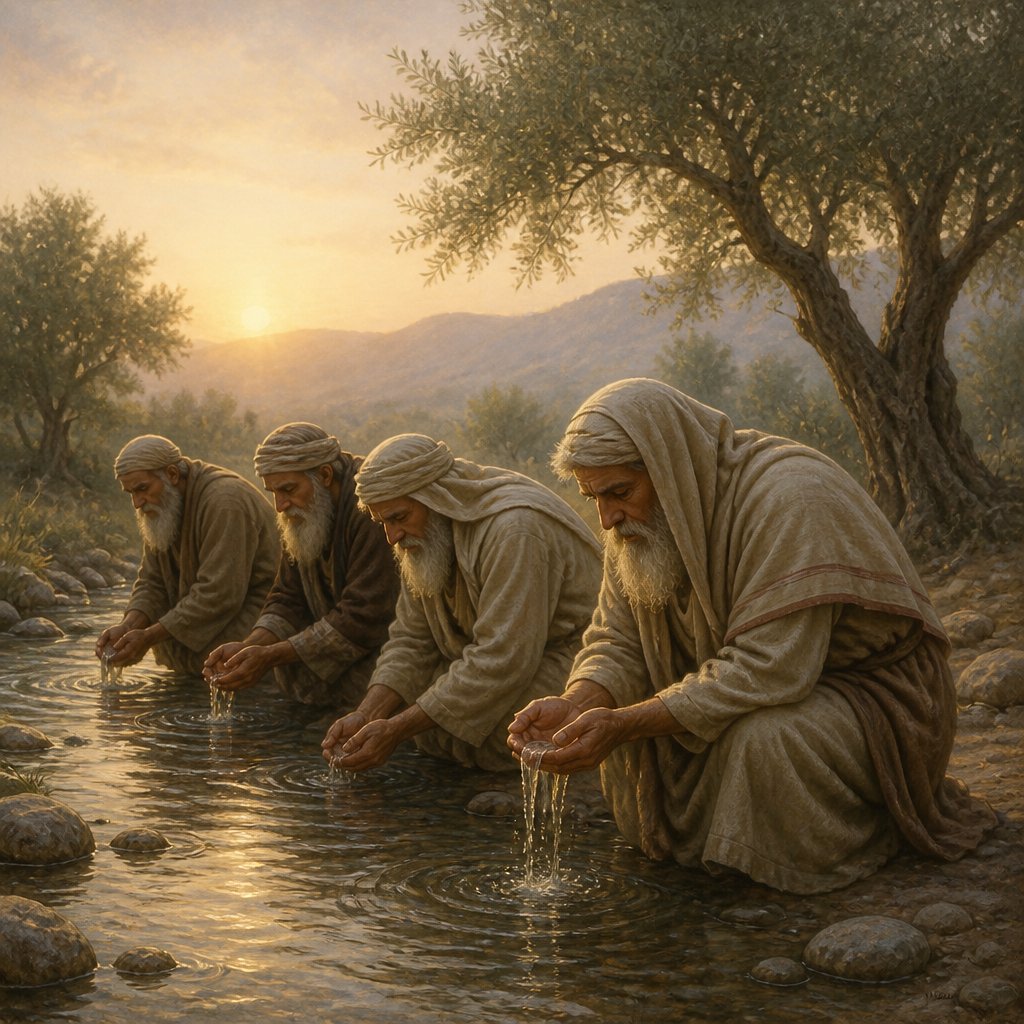
Deuteronomy 21:9 in the King James Version of the Bible states, "So shalt thou put away the guilt of innocent blood from among you, when thou shalt do that which is right in the sight of the Lord." This verse is part of a larger passage in the book of Deuteronomy that outlines various laws and instructions for the Israelites as they prepared to enter the promised land.
The context of this verse is the treatment of unsolved murders in the land. The previous verses in Deuteronomy 21 describe the ritual the Israelites were to follow if a murdered body was found in a field, and the perpetrator was unknown. The elders and judges of the city nearest to the body were to take a heifer that had not been worked and bring it to a valley with flowing water, where its neck was to be broken. The priests were to then wash their hands over the heifer, symbolically absolving the community of any responsibility for the crime. This act was meant to satisfy the justice and righteousness of God, ensuring that the guilt of innocent blood would be put away from the people of Israel.
At its core, Deuteronomy 21:9 emphasizes the importance of doing what is right in the sight of the Lord. In the broader context of the Bible, it reflects the concept of justice, righteousness, and the sanctity of life. The Israelites were being instructed to take responsibility for maintaining justice within their community and purging themselves of any guilt associated with unsolved crimes. By following the prescribed rituals and laws, they could ensure that they remained in good standing with God and their fellow man.
The themes present in this verse are significant and resonate throughout the Bible. The idea of putting away the guilt of innocent blood speaks to the inherent value of human life and the responsibility of individuals and communities to ensure justice for those who have been wronged. This theme is echoed in other parts of the Bible, such as in Proverbs 6:17 which states, "Hands that shed innocent blood" as one of the six things the Lord hates.
The symbolism in Deuteronomy 21:9 is also worth exploring. The ritual involving the heifer and the washing of the priests' hands served as a tangible and symbolic way for the Israelites to demonstrate their commitment to justice and righteousness. The act of breaking the heifer's neck was a solemn and solemnizing event, underscoring the gravity of the crime and the need for atonement. The washing of the priests' hands symbolized the purification and absolution of the community from any connection to the crime. These actions were meant to be visible signs of the people's desire to align themselves with God's standards of justice and righteousness.
Overall, Deuteronomy 21:9 holds a powerful message about the importance of seeking justice and doing what is right in the sight of the Lord. It emphasizes the sanctity of human life and the responsibility of individuals and communities to address wrongdoing and ensure that justice is served. Within the broader context of the Bible, this verse contributes to the larger themes of righteousness, justice, and the value of human life, all of which are central to the teachings and principles of the Christian faith.
Get our apps


Artwork for Deuteronomy 21:9
Deuteronomy 21:9 - "So shalt thou put away the guilt of innocent blood from among you, when thou shalt do that which is right in the sight of the LORD."
"So shalt thou put away the guilt of innocent blood from among you, when thou shalt do that which is right in the sight of the LORD." - Deuteronomy 21:9

Deuteronomy 9:21 - "And I took your sin, the calf which ye had made, and burnt it with fire, and stamped it, and ground it very small, even until it was as small as dust: and I cast the dust thereof into the brook that descended out of the mount."

Deuteronomy 1.1-21

Matthew 9:21

Deuteronomy 27:21 - "Cursed be he that lieth with any manner of beast. And all the people shall say, Amen."

Matthew 9:21-22

Matthew 9:21-22

Matthew 9:21-22

Matthew 9:21-22

Matthew 9:21-22

Deuteronomy 21:21 - "And all the men of his city shall stone him with stones, that he die: so shalt thou put evil away from among you; and all Israel shall hear, and fear."

rev 9:21

john 21:9

Genesis 21:9

Deuteronomy 7:21 - "Thou shalt not be affrighted at them: for the LORD thy God is among you, a mighty God and terrible."

Deuteronomy 32:9 - "For the LORD'S portion is his people; Jacob is the lot of his inheritance."

Deuteronomy 18:21 - "And if thou say in thine heart, How shall we know the word which the LORD hath not spoken?"

Deuteronomy 21:7 - "And they shall answer and say, Our hands have not shed this blood, neither have our eyes seen it."

Deuteronomy 3:9 - "(Which Hermon the Sidonians call Sirion; and the Amorites call it Shenir;)"

Deuteronomy 9:22 - "And at Taberah, and at Massah, and at Kibroth-hattaavah, ye provoked the LORD to wrath."

Deuteronomy 21:22 - "¶ And if a man have committed a sin worthy of death, and he be to be put to death, and thou hang him on a tree:"

Deuteronomy 2:21 - "A people great, and many, and tall, as the Anakims; but the LORD destroyed them before them; and they succeeded them, and dwelt in their stead:"

Deuteronomy 21:6 - "And all the elders of that city, that are next unto the slain man, shall wash their hands over the heifer that is beheaded in the valley:"

Deuteronomy 24:21 - "When thou gatherest the grapes of thy vineyard, thou shalt not glean it afterward: it shall be for the stranger, for the fatherless, and for the widow."

Deuteronomy 21:12 - "Then thou shalt bring her home to thine house; and she shall shave her head, and pare her nails;"

2 Chronicles 21:9

Deuteronomy 6:9 - "And thou shalt write them upon the posts of thy house, and on thy gates."

Deuteronomy 21:11 - "And seest among the captives a beautiful woman, and hast a desire unto her, that thou wouldest have her to thy wife;"

Deuteronomy 15:21 - "And if there be any blemish therein, as if it be lame, or blind, or have any ill blemish, thou shalt not sacrifice it unto the LORD thy God."