What does Deuteronomy 22:26 mean?
“But unto the damsel thou shalt do nothing; there is in the damsel no sin worthy of death: for as when a man riseth against his neighbour, and slayeth him, even so is this matter:” — Deuteronomy 22:26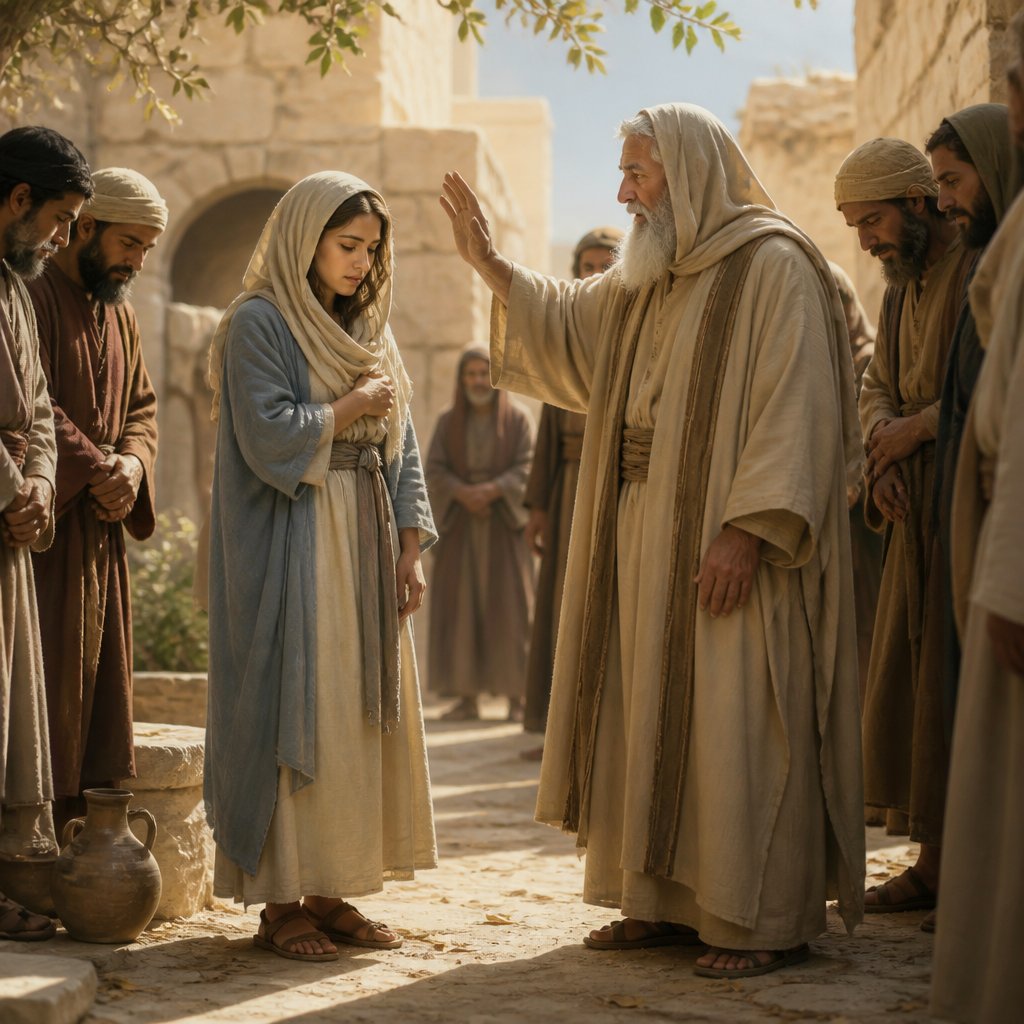
Deuteronomy 22:26 (KJV) states, "But unto the damsel thou shalt do nothing; there is in the damsel no sin worthy of death: for as when a man riseth against his neighbour, and slayeth him, even so is this matter." This verse is part of a larger section in the book of Deuteronomy that deals with various laws and regulations for the Israelites. In this particular verse, the focus is on the treatment of a woman who has been a victim of a sexual assault.
The verse begins by emphasizing that the woman in question should not be punished in any way. It is clear that the blame and guilt for the crime lies solely with the perpetrator, and the victim is not at fault. This stands in stark contrast to the cultural norms of many ancient societies, where victims of sexual assault were often blamed or punished for the crimes committed against them. The inclusion of this law in the book of Deuteronomy is significant in that it reflects an understanding and respect for the rights and dignity of women, setting a standard for the treatment of victims of sexual violence in ancient Israelite society.
The verse goes on to compare the seriousness of a sexual assault with that of murder. It equates the violation of a woman with the act of killing a man, emphasizing the gravity of the offense. By doing so, the verse underscores the severity of the crime and the need for justice to be served.
It is important to consider the broader context in which this verse appears. Deuteronomy is one of the books of the Torah, the first five books of the Hebrew Bible, which are traditionally attributed to Moses. The laws and regulations presented in this book are intended to guide the Israelites in matters of worship, ethics, and civil society. Thus, this verse reflects not only a concern for individual justice and morality but also a concern for the social and moral fabric of the community as a whole.
The themes present in this verse are justice, compassion, and the value of human life. It emphasizes a commitment to fairness and equity in legal proceedings, particularly in cases of sexual violence. The verse also highlights the need for empathy and protection for the vulnerable members of society, in this case, the victim of the assault.
Furthermore, the verse carries a strong symbolic message. It represents a foundational principle of the Judeo-Christian ethic, which places a high value on the worth and dignity of every individual. This verse conveys a vision of a just and compassionate society, where the rights and well-being of all members are safeguarded and respected.
In Christian theology, this verse has been interpreted as a reflection of God's concern and care for the oppressed and vulnerable. It is seen as a reflection of God's character and his expectation for his people to act with justice, mercy, and compassion towards others. The verse also has implications for contemporary discussions around sexual violence and the treatment of survivors, underscoring the importance of providing support, empathy, and protection to those who have been victimized.
In conclusion, Deuteronomy 22:26 (KJV) is a significant biblical verse that addresses the treatment of victims of sexual assault. It emphasizes the innocence and worth of the victim, condemns the perpetrator, and underscores the gravity of the offense. The verse reflects a commitment to justice, compassion, and the inherent value of every individual. Its message continues to be relevant and impactful in contemporary discussions on the treatment of survivors of sexual violence and the pursuit of a just and compassionate society.
Get our apps


Artwork for Deuteronomy 22:26

Deuteronomy 22:26 - "But unto the damsel thou shalt do nothing; there is in the damsel no sin worthy of death: for as when a man riseth against his neighbour, and slayeth him, even so is this matter:"

Deuteronomy 22:26 (KJVA) But unto the damsel thou shalt do nothing; there is in the damsel no sin worthy of death: for as when a man riseth against his neighbour, and slayeth him, even so is this matter:

Deuteronomy 22:26 (KJVA) But unto the damsel thou shalt do nothing; there is in the damsel no sin worthy of death: for as when a man riseth against his neighbour, and slayeth him, even so is this matter:
"But unto the damsel thou shalt do nothing; there is in the damsel no sin worthy of death: for as when a man riseth against his neighbour, and slayeth him, even so is this matter:" - Deuteronomy 22:26

Deuteronomy 26:4-10

Deuteronomy 26:4-10

Jonah 2:2-6 Jonah sinking down in the deep blue water, with the whale about to swallow him.

Deuteronomy 11:26 - "¶ Behold, I set before you this day a blessing and a curse;"

Luke 16:22-26

Deuteronomy 22:20 - "But if this thing be true, and the tokens of virginity be not found for the damsel:"

Deuteronomy 22:10 - "¶ Thou shalt not plow with an ox and an ass together."

Deuteronomy 22:18 - "And the elders of that city shall take that man and chastise him;"

Deuteronomy 23:22 - "But if thou shalt forbear to vow, it shall be no sin in thee."

Leviticus 22:26 - "¶ And the LORD spake unto Moses, saying,"

Deuteronomy 26:6 - "And the Egyptians evil entreated us, and afflicted us, and laid upon us hard bondage:"

Deuteronomy 1:26 - "Notwithstanding ye would not go up, but rebelled against the commandment of the LORD your God:"

Deuteronomy 9:22 - "And at Taberah, and at Massah, and at Kibroth-hattaavah, ye provoked the LORD to wrath."

Matthew 22:26 - "Likewise the second also, and the third, unto the seventh."

Deuteronomy 22:11 - "¶ Thou shalt not wear a garment of divers sorts, as of woollen and linen together."

Deuteronomy 22:13 - "¶ If any man take a wife, and go in unto her, and hate her,"

Deuteronomy 31:22 - "¶ Moses therefore wrote this song the same day, and taught it the children of Israel."

Deuteronomy 27:26 - "Cursed be he that confirmeth not all the words of this law to do them. And all the people shall say, Amen."

Deuteronomy 2:26 - "¶ And I sent messengers out of the wilderness of Kedemoth unto Sihon king of Heshbon with words of peace, saying,"

Deuteronomy 22:27 - "For he found her in the field, and the betrothed damsel cried, and there was none to save her."

Leviticus 20:22-26 simple picture

Picture to summarize Leviticus 20:22-26

Deuteronomy 26:9 - "And he hath brought us into this place, and hath given us this land, even a land that floweth with milk and honey."

Deuteronomy 26:8 - "And the LORD brought us forth out of Egypt with a mighty hand, and with an outstretched arm, and with great terribleness, and with signs, and with wonders:"

Exodus 26:22 - "And for the sides of the tabernacle westward thou shalt make six boards."

Proverbs 26:22 - "The words of a talebearer are as wounds, and they go down into the innermost parts of the belly."