What does Deuteronomy 24:15 mean?
“At his day thou shalt give him his hire, neither shall the sun go down upon it; for he is poor, and setteth his heart upon it: lest he cry against thee unto the LORD, and it be sin unto thee.” — Deuteronomy 24:15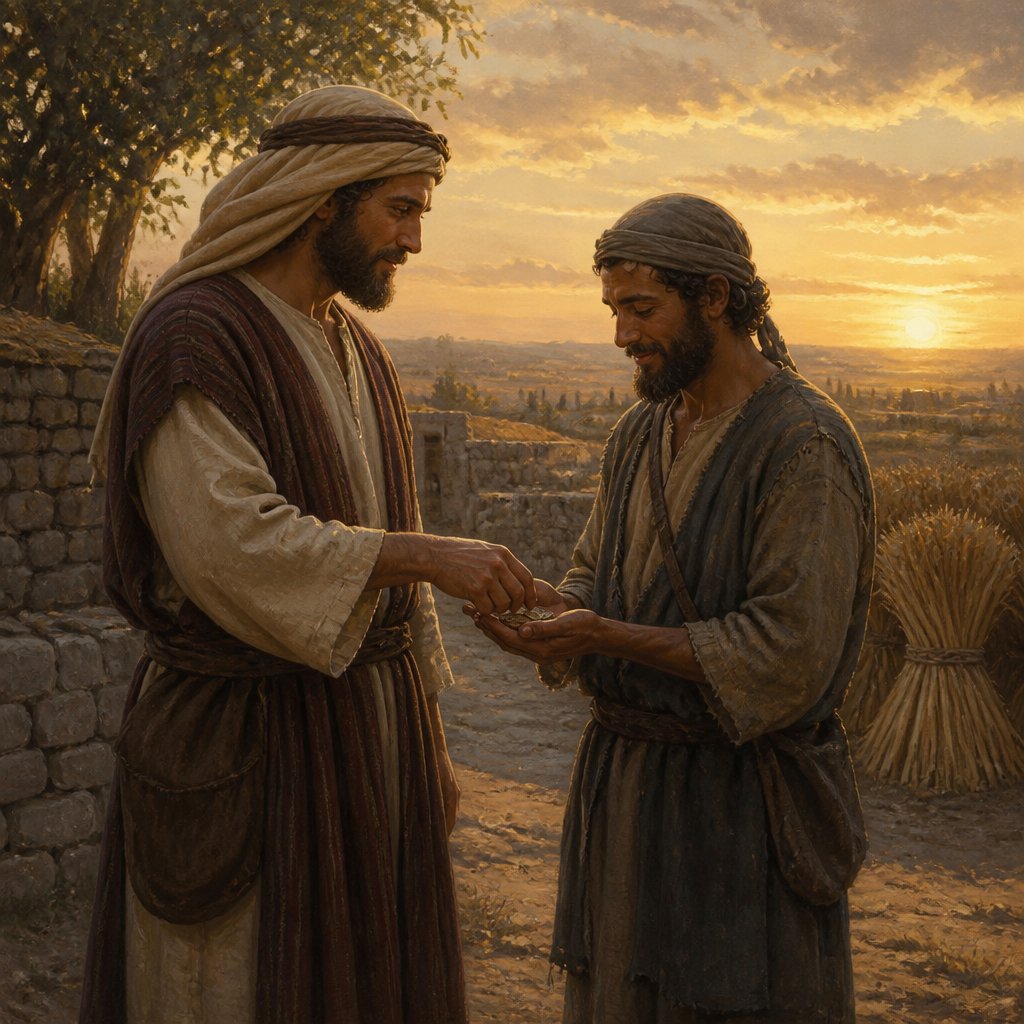
Deuteronomy 24:15 (KJV) states, "At his day thou shalt give him his hire, neither shall the sun go down upon it; for he is poor, and setteth his heart upon it: lest he cry against thee unto the Lord, and it be sin unto thee."
This verse can be interpreted as a command for fair and timely payment of wages. It emphasizes the importance of providing timely compensation to workers, specifically those who are poor and rely on their wages to sustain themselves and their families. The verse also warns against the sin of withholding wages from the laborer, as this action could lead the worker to cry out to the Lord in protest.
In its historical and cultural context, this verse reflects the social and economic conditions of ancient Israel. The Israelites were an agrarian society, and the majority of the population relied on agricultural labor for their livelihood. It was common for laborers to work day to day and receive their pay at the end of each day. The verse acknowledges the vulnerability of the poor laborer and the potential for exploitation by employers who might delay or withhold their wages.
The theme of justice and compassion towards the vulnerable is prevalent throughout the Bible, and this verse is no exception. It aligns with other biblical teachings that emphasize fair treatment of the poor and the marginalized. It echoes the sentiments expressed in Leviticus 19:13, which states, "Thou shalt not defraud thy neighbour, neither rob him: the wages of him that is hired shall not abide with thee all night until the morning."
The significance of this verse extends beyond its immediate context and can be applied to contemporary societal issues. It serves as a reminder of the importance of upholding labor rights and ensuring fair compensation for workers. In a world where economic inequality and exploitation of labor are still prevalent, this verse calls for ethical and just treatment of all workers, especially those who are economically disadvantaged.
Symbolically, the timely payment of wages can also be seen as a reflection of God's provision and faithfulness. By ensuring that workers are paid promptly, employers demonstrate a sense of integrity and righteousness, echoing the principles of justice and fairness that are integral to God's character.
In conclusion, Deuteronomy 24:15 emphasizes the moral imperative of just and timely payment of wages, particularly for the poor and vulnerable. It reflects the broader biblical themes of justice, compassion, and ethical treatment of others. In a contemporary context, this verse calls for the protection of labor rights and the fair treatment of all workers, serving as a reminder of the enduring relevance and moral guidance found in the Scriptures.
Get our apps


Artwork for Deuteronomy 24:15

Deuteronomy 24:15 - "At his day thou shalt give him his hire, neither shall the sun go down upon it; for he is poor, and setteth his heart upon it: lest he cry against thee unto the LORD, and it be sin unto thee."
"At his day thou shalt give him his hire, neither shall the sun go down upon it; for he is poor, and setteth his heart upon it: lest he cry against thee unto the LORD, and it be sin unto thee." - Deuteronomy 24:15

Deuteronomy 24:12 - "And if the man be poor, thou shalt not sleep with his pledge:"

Deuteronomy 4:24 - "For the LORD thy God is a consuming fire, even a jealous God."

Deuteronomy 12:24 - "Thou shalt not eat it; thou shalt pour it upon the earth as water."

Deuteronomy 3:15 - "And I gave Gilead unto Machir."

Genesis 24-15

Joshua 24:15

Genesis 24:15

Joshua 24:15

Matthew 24:15

Joshua 24:15

Deuteronomy 1:24 - "And they turned and went up into the mountain, and came unto the valley of Eshcol, and searched it out."

Deuteronomy 9:24 - "Ye have been rebellious against the LORD from the day that I knew you."

Deuteronomy 27:24 - "Cursed be he that smiteth his neighbour secretly. And all the people shall say, Amen."
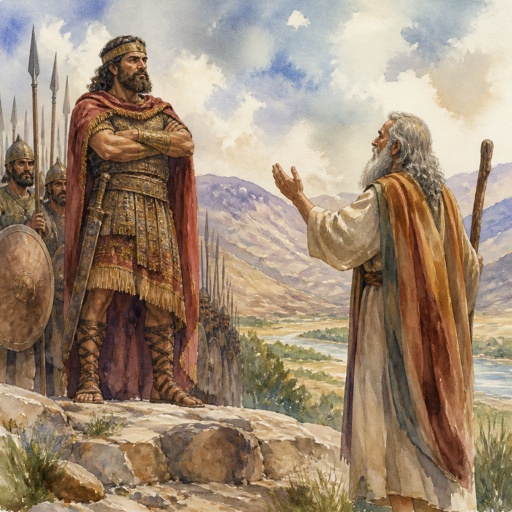
Sihon king of heshbon and Moses in Deuteronomy 2:24-37

Deuteronomy 24:17 - "¶ Thou shalt not pervert the judgment of the stranger, nor of the fatherless; nor take a widow's raiment to pledge:"

Deuteronomy 24:6 - "¶ No man shall take the nether or the upper millstone to pledge: for he taketh a man's life to pledge."

Joshua 15:24 - "Ziph, and Telem, and Bealoth,"

Deuteronomy 24:2 - "And when she is departed out of his house, she may go and be another man's wife."

Deuteronomy 14:15 - "And the owl, and the night hawk, and the cuckow, and the hawk after his kind,"

Deuteronomy 15:1 - "At the end of every seven years thou shalt make a release."

Deuteronomy 33:15 - "And for the chief things of the ancient mountains, and for the precious things of the lasting hills,"

Deuteronomy 24:14-15 - "You shall not oppress a hired servant who is poor and needy, whether he is one of your countrymen or one of your aliens who is in your land in your towns. You shall give him his wages on his day before the sun sets, for he is poor and sets his heart on it; so that he will not cry against you to the Lord and it becomes sin in you."

1 Chronicles 24:15 - "The seventeenth to Hezir, the eighteenth to Aphses,"

Deuteronomy 15:15 - "And thou shalt remember that thou wast a bondman in the land of Egypt, and the LORD thy God redeemed thee: therefore I command thee this thing to day."

Deuteronomy 24:21 - "When thou gatherest the grapes of thy vineyard, thou shalt not glean it afterward: it shall be for the stranger, for the fatherless, and for the widow."

Deuteronomy 24:22 - "And thou shalt remember that thou wast a bondman in the land of Egypt: therefore I command thee to do this thing."

Deuteronomy 31:24 - "¶ And it came to pass, when Moses had made an end of writing the words of this law in a book, until they were finished,"

Deuteronomy 31:15 - "And the LORD appeared in the tabernacle in a pillar of a cloud: and the pillar of the cloud stood over the door of the tabernacle."