What does Deuteronomy 24:18 mean?
“But thou shalt remember that thou wast a bondman in Egypt, and the LORD thy God redeemed thee thence: therefore I command thee to do this thing.” — Deuteronomy 24:18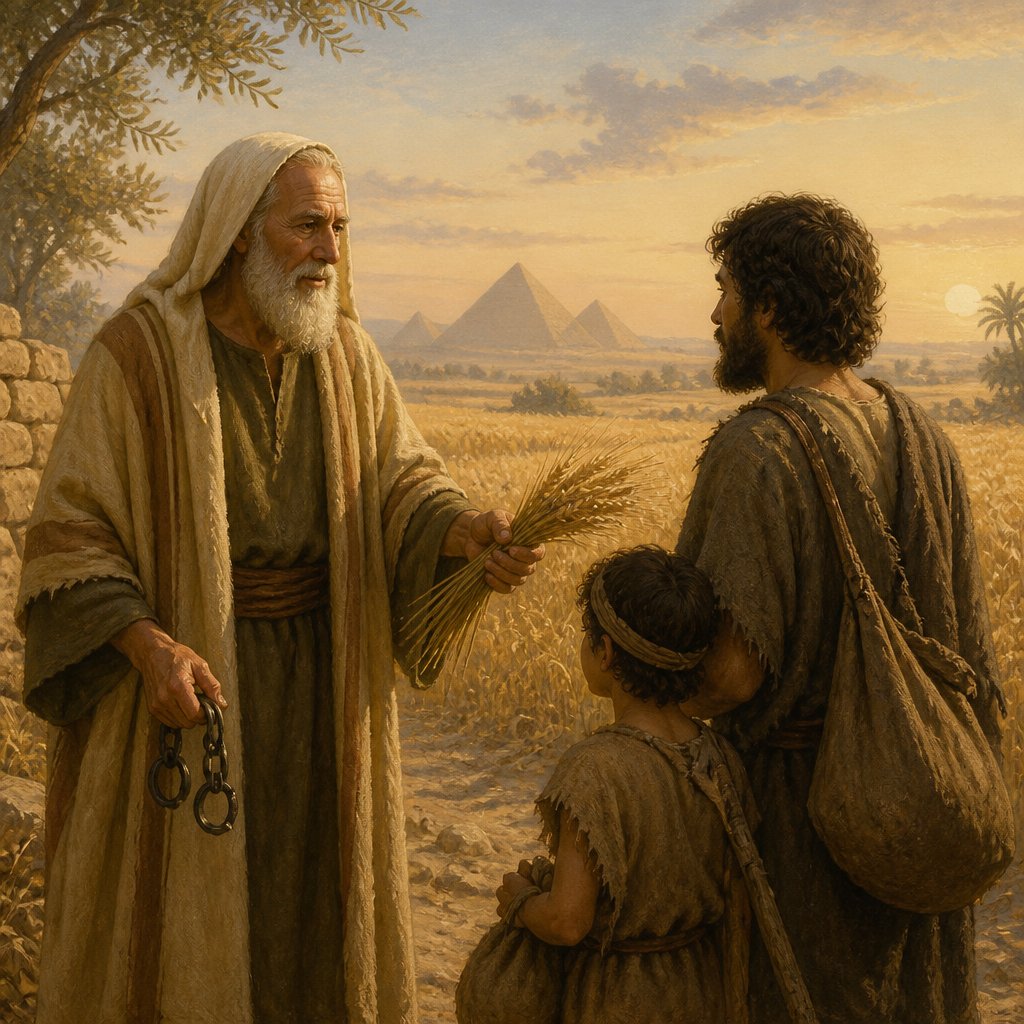
Deuteronomy 24:18 in the King James Version of the Bible states: "But thou shalt remember that thou wast a bondman in Egypt, and the Lord thy God redeemed thee thence: therefore I command thee to do this thing."
This verse is found in the Old Testament and is part of the book of Deuteronomy, which is attributed to Moses. The book is set at the end of the Israelites' 40-year journey in the wilderness, just before they enter the Promised Land. In Deuteronomy, Moses presents a series of speeches to the Israelites, reminding them of God's laws and their covenant with Him.
The verse in question is part of a series of laws that Moses is presenting to the Israelites, which are designed to ensure justice and compassion within the community. In this particular verse, Moses reminds the Israelites of their own past as slaves in Egypt and how God redeemed them from that situation. This serves as a reminder to the Israelites to show compassion and justice to those who are in vulnerable or oppressed situations, as they were once in the same predicament themselves.
The themes present in this verse include justice, compassion, and remembrance of God's redemption. The principle of remembering their own experience as slaves in Egypt is a recurring theme in the Old Testament, and it serves as a powerful motivation for the Israelites to act with kindness and mercy toward others.
The context of this verse is crucial for understanding its significance. The Israelites are about to enter the Promised Land, and Moses is providing them with a framework for how they are to live and behave as God's chosen people. By reminding them of their own history and God's redemption, Moses is emphasizing the importance of treating others with the same compassion and mercy that they received from God.
The symbolism in this verse is the Israelites' experience as slaves in Egypt. This serves as a powerful symbol of oppression and hardship, but also of God's intervention and redemption. By referencing this experience, Moses is urging the Israelites to empathize with those who are in similar situations and to act with justice and compassion.
Furthermore, this verse also carries a deeper spiritual meaning. The Israelites' time in Egypt can be seen as a metaphor for their spiritual bondage to sin and their eventual redemption through God's intervention. By remembering their past and God's redemption, the Israelites are called to live out their faith with humility and compassion, as they have experienced God's grace firsthand.
In conclusion, Deuteronomy 24:18 carries a powerful message of justice, compassion, and remembrance of God's redemption. It serves as a reminder for the Israelites to treat others with kindness and mercy, based on their own experience of God's intervention in their lives. This verse is relevant not only in its historical context but also in its timeless spiritual significance for believers today. As Christians, we are called to remember God's grace in our own lives and to extend that same grace to others, particularly those who are vulnerable and oppressed.
Get our apps


Artwork for Deuteronomy 24:18

Deuteronomy 24:18 - "But thou shalt remember that thou wast a bondman in Egypt, and the LORD thy God redeemed thee thence: therefore I command thee to do this thing."
"But thou shalt remember that thou wast a bondman in Egypt, and the LORD thy God redeemed thee thence: therefore I command thee to do this thing." - Deuteronomy 24:18

Deuteronomy 24:17-18 - "Do not deprive the foreigner or the fatherless of justice, or take the cloak of the widow as a pledge. Remember that you were slaves in Egypt and the Lord your God redeemed you from there. That is why I command you to do this."

Deuteronomy 24:12 - "And if the man be poor, thou shalt not sleep with his pledge:"

Deuteronomy 4:24 - "For the LORD thy God is a consuming fire, even a jealous God."

Genesis 24-18

Deuteronomy 5:18 - "Neither shalt thou commit adultery."

Genesis 18-24

Deuteronomy 12:24 - "Thou shalt not eat it; thou shalt pour it upon the earth as water."

Deuteronomy 18:11 - "Or a charmer, or a consulter with familiar spirits, or a wizard, or a necromancer."

Deuteronomy 18:13 - "Thou shalt be perfect with the LORD thy God."

Deuteronomy 1:24 - "And they turned and went up into the mountain, and came unto the valley of Eshcol, and searched it out."

Deuteronomy 22:18 - "And the elders of that city shall take that man and chastise him;"

Deuteronomy 14:18 - "And the stork, and the heron after her kind, and the lapwing, and the bat."

Deuteronomy 9:24 - "Ye have been rebellious against the LORD from the day that I knew you."

Deuteronomy 27:24 - "Cursed be he that smiteth his neighbour secretly. And all the people shall say, Amen."
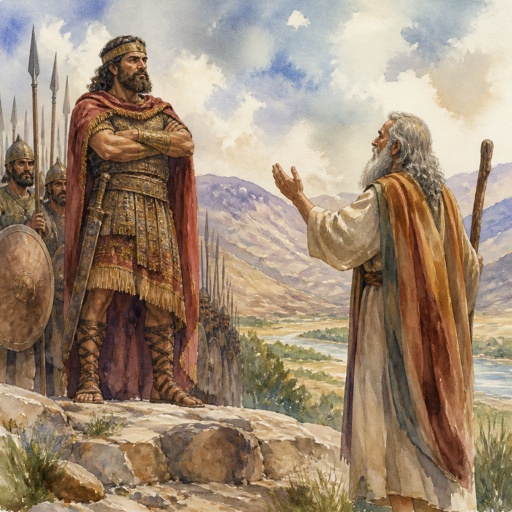
Sihon king of heshbon and Moses in Deuteronomy 2:24-37

Deuteronomy 2:18 - "Thou art to pass over through Ar, the coast of Moab, this day:"

Deuteronomy 24:17 - "¶ Thou shalt not pervert the judgment of the stranger, nor of the fatherless; nor take a widow's raiment to pledge:"

Deuteronomy 24:6 - "¶ No man shall take the nether or the upper millstone to pledge: for he taketh a man's life to pledge."

Deuteronomy 24:2 - "And when she is departed out of his house, she may go and be another man's wife."

Deuteronomy 18:17 - "And the LORD said unto me, They have well spoken that which they have spoken."

Deuteronomy 1:18 - "And I commanded you at that time all the things which ye should do."

Deuteronomy 18:8 - "They shall have like portions to eat, beside that which cometh of the sale of his patrimony."

Deuteronomy 24:21 - "When thou gatherest the grapes of thy vineyard, thou shalt not glean it afterward: it shall be for the stranger, for the fatherless, and for the widow."

Deuteronomy 24:22 - "And thou shalt remember that thou wast a bondman in the land of Egypt: therefore I command thee to do this thing."

Deuteronomy 31:24 - "¶ And it came to pass, when Moses had made an end of writing the words of this law in a book, until they were finished,"

1 Chronicles 24:18 - "The three and twentieth to Delaiah, the four and twentieth to Maaziah."

Joshua 18:24 - "And Chephar-haammonai, and Ophni, and Gaba; twelve cities with their villages:"

Deuteronomy 32:18 - "Of the Rock that begat thee thou art unmindful, and hast forgotten God that formed thee."