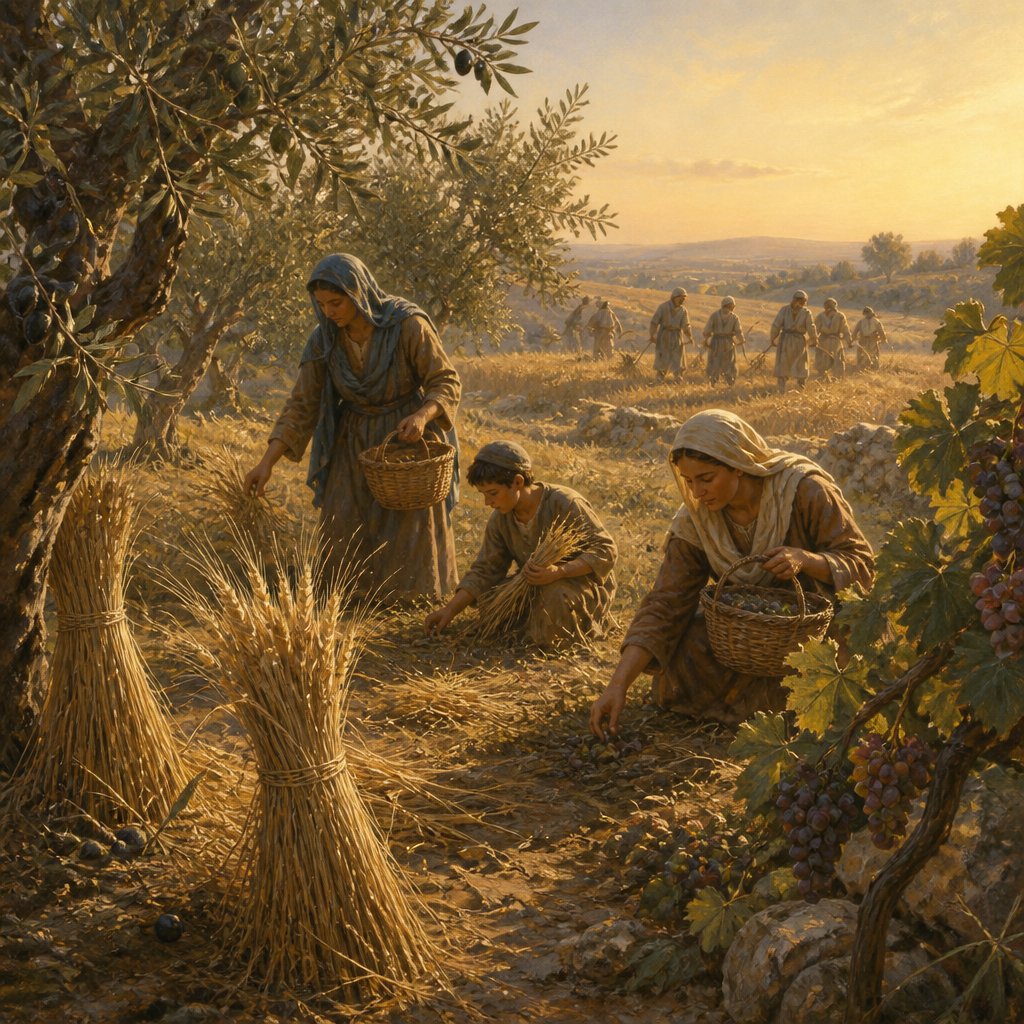
Deuteronomy 24:19-22 in the King James Version reads:
19 When thou cuttest down thine harvest in thy field, and hast forgot a sheaf in the field, thou shalt not go again to fetch it: it shall be for the stranger, for the fatherless, and for the widow: that the Lord thy God may bless thee in all the work of thine hands.
20 When thou beatest thine olive tree, thou shalt not go over the boughs again: it shall be for the stranger, for the fatherless, and for the widow.
21 When thou gatherest the grapes of thy vineyard, thou shalt not glean it afterward: it shall be for the stranger, for the fatherless, and for the widow.
22 And thou shalt remember that thou wast a bondman in the land of Egypt: therefore I command thee to do this thing.
This passage from the book of Deuteronomy contains instructions given by God to the Israelites regarding the treatment of the poor and marginalized in their society. It emphasizes the importance of compassion, generosity, and gratitude, and it serves as a reminder of the Israelites' own history of being oppressed and enslaved in Egypt.
The themes present in these verses include social justice, compassion for the less fortunate, and gratitude for God's blessings. The context of this passage is important for understanding its significance. The Israelites had been delivered from slavery in Egypt by God, and now, as they were about to enter the Promised Land, they were given laws and guidelines for living in a just and righteous manner.
The first three verses provide specific instructions for how the Israelites were to leave a portion of their harvest for the benefit of the stranger, the fatherless, and the widow. This practice, known as gleaning, was a way of providing for those who were vulnerable and marginalized in society. It was a form of welfare system that ensured that those who were unable to provide for themselves had access to food and sustenance.
The seemingly small details of leaving behind sheaves in the field, not going over the olive tree boughs a second time, and not gleaning the vineyard after harvesting grapes, all point to a larger principle of intentional generosity and selflessness. The Israelites were instructed to acknowledge that their blessings came from God and that they were to share those blessings with others, especially those in need.
Verse 22 serves as a reminder to the Israelites that they were once slaves in Egypt, and therefore they should have empathy and compassion for those who were in similar circumstances. This is a recurring theme in the Bible, as the Israelites are repeatedly reminded of their past experiences of oppression and are commanded to treat others with kindness and fairness.
The symbolism in these verses is important to consider. The act of gleaning can be seen as a symbol of God's provision and care for the vulnerable. It also symbolizes the idea of leaving margins and not taking everything for oneself, but rather leaving room for the needs of others to be met. The act of gleaning was an act of faith and trust in God's provision, as the Israelites had to leave behind a portion of their harvest, trusting that God would take care of them as they took care of others.
Overall, Deuteronomy 24:19-22 provides a powerful message about care and compassion for those in need, as well as the importance of remembering one's own history of oppression and using it to inform compassionate action. It serves as a powerful reminder of the values of generosity, gratitude, and social justice that are central to the teachings of the Bible. These principles remain relevant and important for all people to consider and apply in their own lives, regardless of historical and cultural context.
Get our apps


Artwork for Deuteronomy 24:19-22
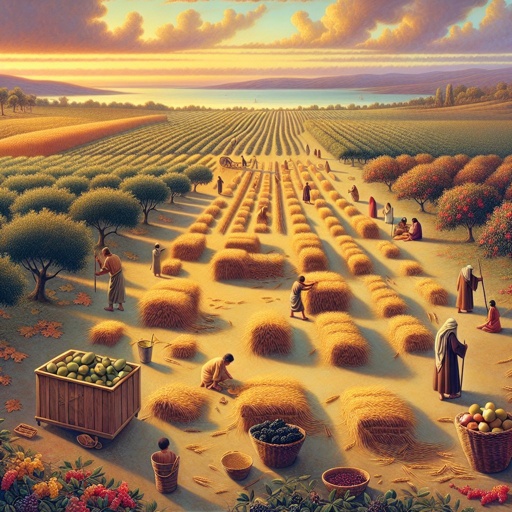
Deuteronomy 24:19-22 - "When you are harvesting in your field and you overlook a sheaf, do not go back to get it. Leave it for the foreigner, the fatherless and the widow, so that the Lord your God may bless you in all the work of your hands. When you beat the olives from your trees, do not go over the branches a second time. Leave what remains for the foreigner, the fatherless and the widow. When you harvest the grapes in your vineyard, do not go over the vines again. Leave what remains for the foreigner, the fatherless and the widow. Remember that you were slaves in Egypt. That is why I command you to do this."
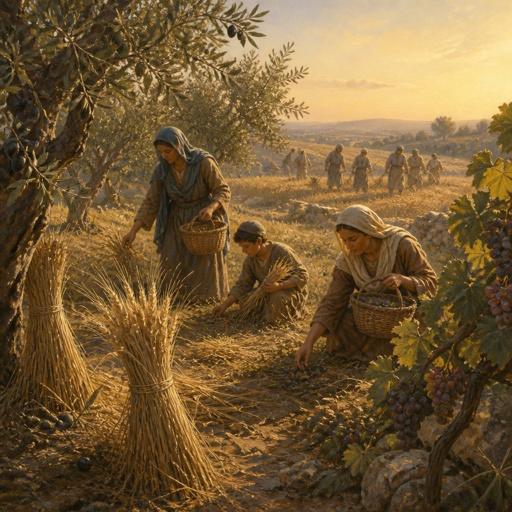
"When you are harvesting in your field and you overlook a sheaf, do not go back to get it. Leave it for the foreigner, the fatherless and the widow, so that the Lord your God may bless you in all the work of your hands. When you beat the olives from your trees, do not go over the branches a second time. Leave what remains for the foreigner, the fatherless and the widow. When you harvest the grapes in your vineyard, do not go over the vines again. Leave what remains for the foreigner, the fatherless and the widow. Remember that you were slaves in Egypt. That is why I command you to do this." - Deuteronomy 24:19-22

Deuteronomy 24:22 - "And thou shalt remember that thou wast a bondman in the land of Egypt: therefore I command thee to do this thing."

James 2:2-4
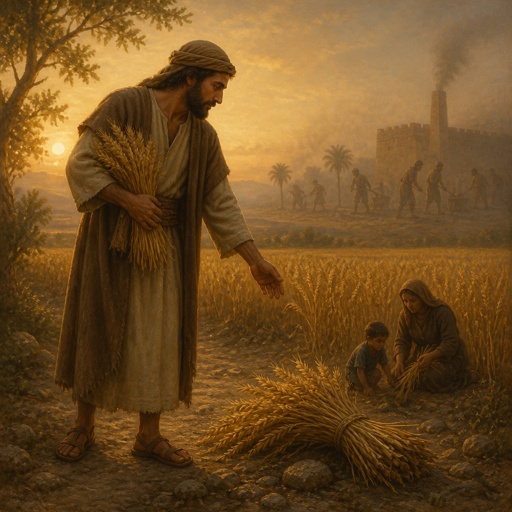
"And thou shalt remember that thou wast a bondman in the land of Egypt: therefore I command thee to do this thing." - Deuteronomy 24:22
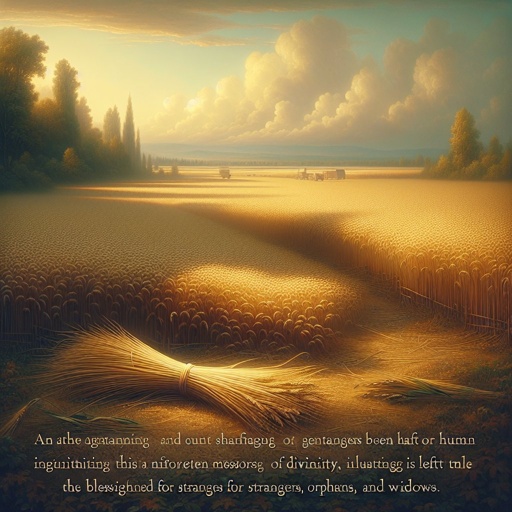
Deuteronomy 24:19 - "¶ When thou cuttest down thine harvest in thy field, and hast forgot a sheaf in the field, thou shalt not go again to fetch it: it shall be for the stranger, for the fatherless, and for the widow: that the LORD thy God may bless thee in all the work of thine hands."

Deuteronomy 22:19 - "And they shall amerce him in an hundred shekels of silver, and give them unto the father of the damsel, because he hath brought up an evil name upon a virgin of Israel: and she shall be his wife; he may not put her away all his days."

Deuteronomy 30:19:
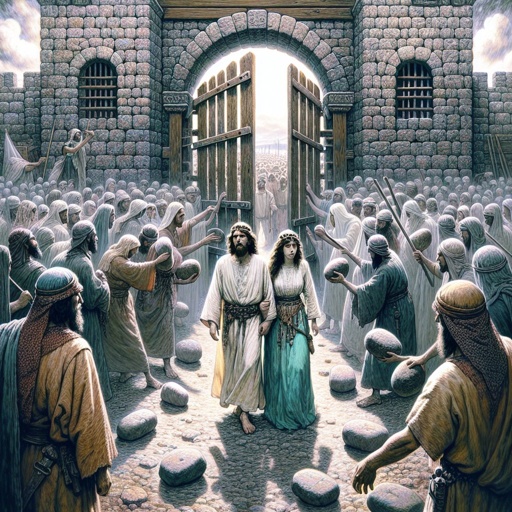
Deuteronomy 22:24 - "Then ye shall bring them both out unto the gate of that city, and ye shall stone them with stones that they die; the damsel, because she cried not, being in the city; and the man, because he hath humbled his neighbour's wife: so thou shalt put away evil from among you."

Deuteronomy 5:19 - "Neither shalt thou steal."

Genesis 24-22

Genesis 22-24

Deuteronomy 24:12 - "And if the man be poor, thou shalt not sleep with his pledge:"

Genesis 24-19

Genesis 19-24

Genesis 19:24

Deuteronomy 22:20 - "But if this thing be true, and the tokens of virginity be not found for the damsel:"

Deuteronomy 22:10 - "¶ Thou shalt not plow with an ox and an ass together."

Deuteronomy 4:24 - "For the LORD thy God is a consuming fire, even a jealous God."

Deuteronomy 12:24 - "Thou shalt not eat it; thou shalt pour it upon the earth as water."

Deuteronomy 22:18 - "And the elders of that city shall take that man and chastise him;"

Deuteronomy 23:22 - "But if thou shalt forbear to vow, it shall be no sin in thee."

Genesis 22:19

Jude 9:22-24

2 Samuel 24:22

2 Samuel 24:22

2 Samuel 24:22

Genesis 3:22-24

Genesis 19-22

Deuteronomy 9:22 - "And at Taberah, and at Massah, and at Kibroth-hattaavah, ye provoked the LORD to wrath."