What does Deuteronomy 24:22 mean?
“And thou shalt remember that thou wast a bondman in the land of Egypt: therefore I command thee to do this thing.” — Deuteronomy 24:22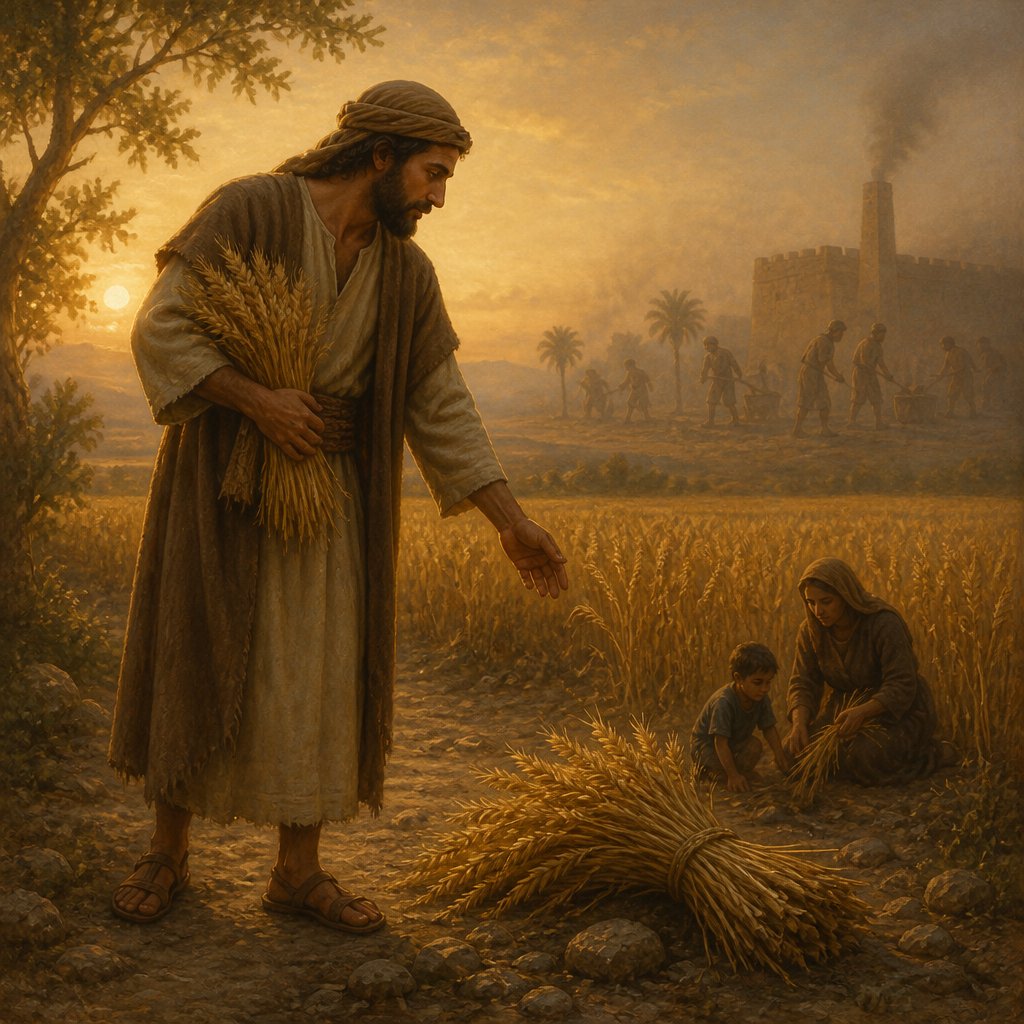
Deuteronomy 24:22 from the King James Version of the Bible states, "And thou shalt remember that thou wast a bondman in the land of Egypt: therefore I command thee to do this thing."
This verse is part of the larger context of the Book of Deuteronomy, which is the fifth book of the Hebrew Bible and the Christian Old Testament. The book is a retelling of the laws given by God to the Israelites through Moses, as they prepare to enter the Promised Land. Deuteronomy stresses the importance of obedience to God's laws and the covenant between God and his people. It also includes reminders of the Israelites' history and experiences, as well as exhortations to uphold justice and mercy.
In Deuteronomy 24, the chapter discusses various laws related to social justice, compassion, and fairness. It opens with regulations regarding divorce, debt, and protection of the vulnerable. The verse in question, Deuteronomy 24:22, serves as a conclusion to this section, reiterating the command to remember their history of slavery in Egypt and the consequent need to act with compassion and justice towards others.
The verse begins with the phrase "And thou shalt remember," emphasizing the importance of not forgetting their past enslavement and the suffering they endured in Egypt. This directive to remember is a common theme throughout the Bible, as it serves as a reminder of God's faithfulness, deliverance, and the moral obligations that arise from their experiences.
The verse goes on to state "that thou wast a bondman in the land of Egypt." Here, the Israelites are urged to recall the time when they were enslaved in Egypt. This call to remembrance is meant to evoke empathy and understanding for those who are currently in positions of vulnerability, as it is a reminder of their own history of oppression.
The verse concludes with the command"therefore I command thee to do this thing." This is a direct injunction from God to act with compassion and justice towards those who are in need. The "thing" referred to encompasses the various laws and principles outlined in the entire chapter of Deuteronomy 24, which includes provisions for the poor and marginalized within the society.
In a broader context, Deuteronomy 24:22 reflects one of the central themes of the Bible – the call to treat others with compassion, fairness, and mercy. This verse emphasizes the moral and ethical responsibility of the Israelites to remember their past and act justly towards others, especially the vulnerable and marginalized. It is a reminder of the interconnectedness of their history, identity, and moral obligations, as well as a call to live out the values of their faith in their daily lives.
This verse also carries rich symbolism, particularly in its reference to the Israelites' slavery in Egypt. The memory of their bondage serves as a powerful symbol of oppression, suffering, and the need for liberation. It underscores the importance of empathy, solidarity, and standing in solidarity with those who are oppressed and marginalized. Additionally, it highlights the transformative power of remembrance, as it inspires a renewed commitment to justice and compassion.
In conclusion, Deuteronomy 24:22 is a poignant reminder of the Israelites' history of slavery in Egypt and the moral imperatives that arise from this experience. It emphasizes the significance of remembering their past and acting with compassion and justice towards others. This verse encapsulates the central themes of the Book of Deuteronomy and the broader message of the Bible, emphasizing the importance of empathy, solidarity, and ethical responsibility. It serves as a timeless reminder of the enduring relevance and urgency of treating others with compassion and justice, while also reflecting the transformative power of remembrance.
Get our apps


Artwork for Deuteronomy 24:22

Deuteronomy 24:22 - "And thou shalt remember that thou wast a bondman in the land of Egypt: therefore I command thee to do this thing."
"And thou shalt remember that thou wast a bondman in the land of Egypt: therefore I command thee to do this thing." - Deuteronomy 24:22

James 2:2-4
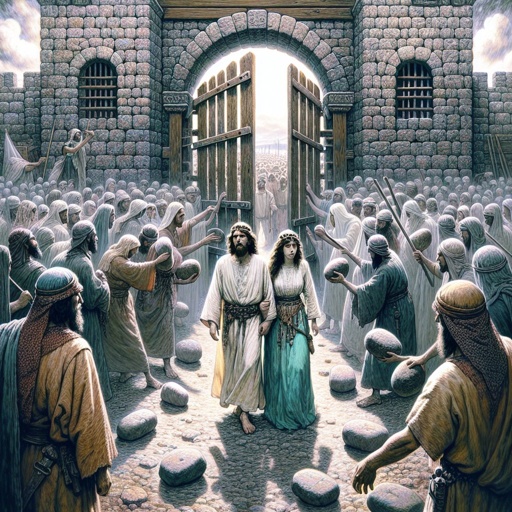
Deuteronomy 22:24 - "Then ye shall bring them both out unto the gate of that city, and ye shall stone them with stones that they die; the damsel, because she cried not, being in the city; and the man, because he hath humbled his neighbour's wife: so thou shalt put away evil from among you."

Genesis 24-22

Genesis 22-24

Deuteronomy 24:12 - "And if the man be poor, thou shalt not sleep with his pledge:"

Deuteronomy 22:20 - "But if this thing be true, and the tokens of virginity be not found for the damsel:"

Deuteronomy 22:10 - "¶ Thou shalt not plow with an ox and an ass together."

Deuteronomy 4:24 - "For the LORD thy God is a consuming fire, even a jealous God."

Deuteronomy 22:18 - "And the elders of that city shall take that man and chastise him;"

Deuteronomy 23:22 - "But if thou shalt forbear to vow, it shall be no sin in thee."

Deuteronomy 12:24 - "Thou shalt not eat it; thou shalt pour it upon the earth as water."

Jude 9:22-24

2 Samuel 24:22

2 Samuel 24:22

2 Samuel 24:22

Genesis 3:22-24

Deuteronomy 9:22 - "And at Taberah, and at Massah, and at Kibroth-hattaavah, ye provoked the LORD to wrath."

Deuteronomy 1:24 - "And they turned and went up into the mountain, and came unto the valley of Eshcol, and searched it out."

Deuteronomy 22:11 - "¶ Thou shalt not wear a garment of divers sorts, as of woollen and linen together."

Deuteronomy 22:13 - "¶ If any man take a wife, and go in unto her, and hate her,"

Deuteronomy 9:24 - "Ye have been rebellious against the LORD from the day that I knew you."

Deuteronomy 27:24 - "Cursed be he that smiteth his neighbour secretly. And all the people shall say, Amen."

Deuteronomy 31:22 - "¶ Moses therefore wrote this song the same day, and taught it the children of Israel."

Deuteronomy 22:27 - "For he found her in the field, and the betrothed damsel cried, and there was none to save her."
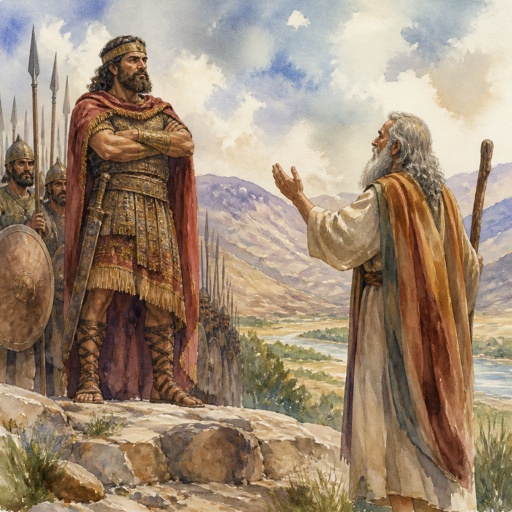
Sihon king of heshbon and Moses in Deuteronomy 2:24-37

Deuteronomy 24:17 - "¶ Thou shalt not pervert the judgment of the stranger, nor of the fatherless; nor take a widow's raiment to pledge:"

Deuteronomy 24:6 - "¶ No man shall take the nether or the upper millstone to pledge: for he taketh a man's life to pledge."

Deuteronomy 24:2 - "And when she is departed out of his house, she may go and be another man's wife."