What does Deuteronomy 24:7 mean?
“If a man be found stealing any of his brethren of the children of Israel, and maketh merchandise of him, or selleth him; then that thief shall die; and thou shalt put evil away from among you.” — Deuteronomy 24:7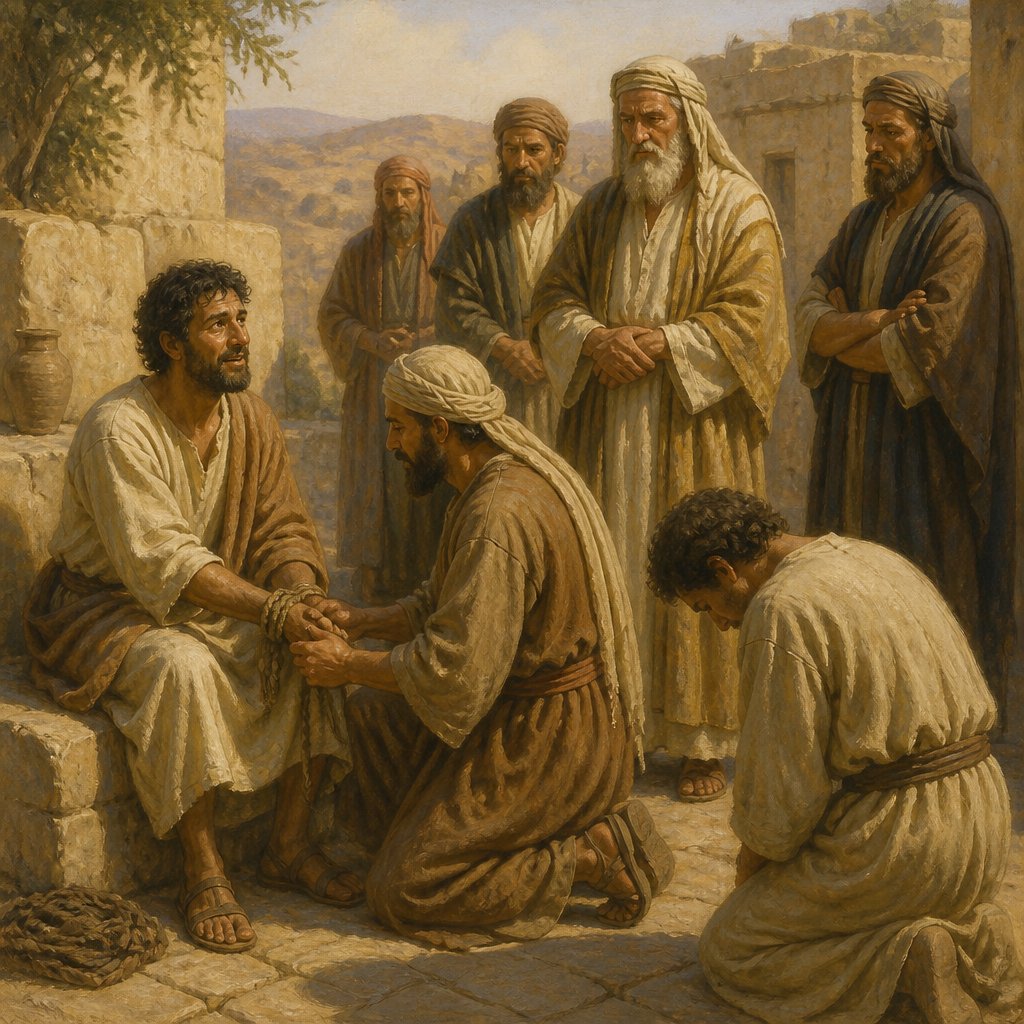
Deuteronomy 24:7 from the King James Version states, "If a man be found stealing any of his brethren of the children of Israel, and maketh merchandise of him, or selleth him; then that thief shall die; and thou shalt put evil away from among you."
This verse from the Book of Deuteronomy holds deep significance within the Biblical context, shedding light on the themes of justice, morality, and the value of human life. The verse holds a critical importance in the context of the Old Testament laws, as it deals with the issue of human trafficking and the treatment of fellow Israelites.
The verse begins by addressing the act of stealing, specifically targeting the theft of one of the children of Israel. This highlights the importance of recognizing the humanity and value of one's own people and the need to protect and uphold their rights and dignity. The act of stealing a fellow Israelite is condemned as a grave offense, reflecting the moral code and ethical standards set forth by God for the Israelites to follow.
Furthermore, the verse goes on to condemn the perpetrator who not only steals but also "maketh merchandise of him, or selleth him." This highlights the practice of human trafficking, where individuals are treated as commodities to be bought and sold, stripping them of their inherent worth and dignity. The Bible unequivocally condemns such actions, emphasizing the sanctity of human life and the immorality of exploiting fellow human beings for personal gain.
The consequences for such deplorable actions are severe, as the verse declares, "then that thief shall die." This reflects the gravity of the offense and the severe punishment that awaits those who engage in such heinous acts. It serves as a stark warning to the Israelites and future generations about the consequences of disregarding the fundamental rights and humanity of others.
Moreover, the verse implores the community to take action, stating, "thou shalt put evil away from among you." This call to action urges the Israelites to actively remove and eradicate such evil practices from their midst, emphasizing the collective responsibility to uphold justice and righteousness within their community. It also underscores the importance of maintaining a just and moral society, free from the oppression and exploitation of the vulnerable.
Symbolically, this verse serves as a reminder of the inherent value and dignity of every individual, regardless of their social status or circumstances. It reinforces the belief in the equality and worth of all human beings, reflecting the divine principle of love and compassion for one another.
In a broader theological context, this verse aligns with the overarching themes of justice, righteousness, and the sanctity of human life that are prevalent throughout the Bible. It reinforces the moral principles that form the foundation of the Old Testament laws, emphasizing the importance of treating others with fairness, respect, and dignity.
In conclusion, Deuteronomy 24:7 from the King James Version presents a powerful declaration against the heinous act of human trafficking and exploitation, advocating for justice, morality, and the sanctity of human life. It serves as a poignant reminder of the values and ethics that the Israelites and all believers are called to uphold, reflecting the divine commandments to love one another and seek justice for the oppressed. It continues to inspire and guide individuals and communities in their pursuit of creating a just and righteous society, free from the evils of exploitation and oppression.
Get our apps


Artwork for Deuteronomy 24:7
Deuteronomy 24:7 - "¶ If a man be found stealing any of his brethren of the children of Israel, and maketh merchandise of him, or selleth him; then that thief shall die; and thou shalt put evil away from among you."
"¶ If a man be found stealing any of his brethren of the children of Israel, and maketh merchandise of him, or selleth him; then that thief shall die; and thou shalt put evil away from among you." - Deuteronomy 24:7

Deuteronomy 7:24 - "And he shall deliver their kings into thine hand, and thou shalt destroy their name from under heaven: there shall no man be able to stand before thee, until thou have destroyed them."

Deuteronomy 24:12 - "And if the man be poor, thou shalt not sleep with his pledge:"

Deuteronomy 4:24 - "For the LORD thy God is a consuming fire, even a jealous God."

Deuteronomy 12:24 - "Thou shalt not eat it; thou shalt pour it upon the earth as water."

Deuteronomy 1:24 - "And they turned and went up into the mountain, and came unto the valley of Eshcol, and searched it out."

Deuteronomy 9:24 - "Ye have been rebellious against the LORD from the day that I knew you."

Deuteronomy 27:24 - "Cursed be he that smiteth his neighbour secretly. And all the people shall say, Amen."
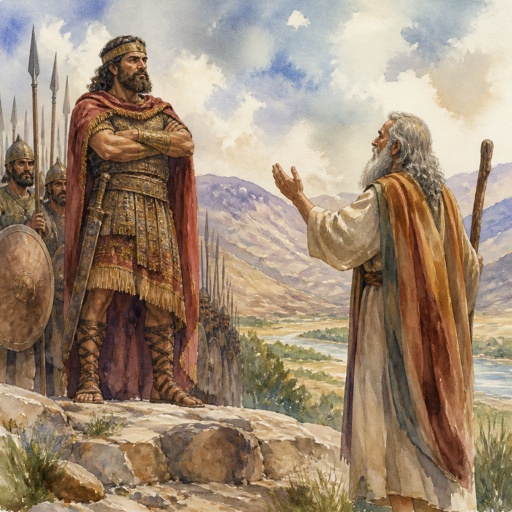
Sihon king of heshbon and Moses in Deuteronomy 2:24-37

Deuteronomy 24:17 - "¶ Thou shalt not pervert the judgment of the stranger, nor of the fatherless; nor take a widow's raiment to pledge:"

Deuteronomy 24:6 - "¶ No man shall take the nether or the upper millstone to pledge: for he taketh a man's life to pledge."

Deuteronomy 24:2 - "And when she is departed out of his house, she may go and be another man's wife."

Genesis 24-7

Deuteronomy 24:21 - "When thou gatherest the grapes of thy vineyard, thou shalt not glean it afterward: it shall be for the stranger, for the fatherless, and for the widow."

Deuteronomy 24:22 - "And thou shalt remember that thou wast a bondman in the land of Egypt: therefore I command thee to do this thing."

Deuteronomy 31:24 - "¶ And it came to pass, when Moses had made an end of writing the words of this law in a book, until they were finished,"

Deuteronomy 3:7 - "But all the cattle, and the spoil of the cities, we took for a prey to ourselves."

Matthew 7:24-29

Matthew 7:24-29

Matthew 7:24-27

Exodus 7:14-24

Psalm 24:7-11

Deuteronomy 24:9 - "Remember what the LORD thy God did unto Miriam by the way, after that ye were come forth out of Egypt."

Deuteronomy 24:11 - "Thou shalt stand abroad, and the man to whom thou dost lend shall bring out the pledge abroad unto thee."

Deuteronomy 24:10 - "¶ When thou dost lend thy brother any thing, thou shalt not go into his house to fetch his pledge."

Deuteronomy 24:20 - "When thou beatest thine olive tree, thou shalt not go over the boughs again: it shall be for the stranger, for the fatherless, and for the widow."

Deuteronomy 5:7 - "Thou shalt have none other gods before me."

Nehemiah 7:24 - "The children of Hariph, an hundred and twelve."

"And if the man be poor, thou shalt not sleep with his pledge:" - Deuteronomy 24:12