What does Deuteronomy 24:9 mean?
“Remember what the LORD thy God did unto Miriam by the way, after that ye were come forth out of Egypt.” — Deuteronomy 24:9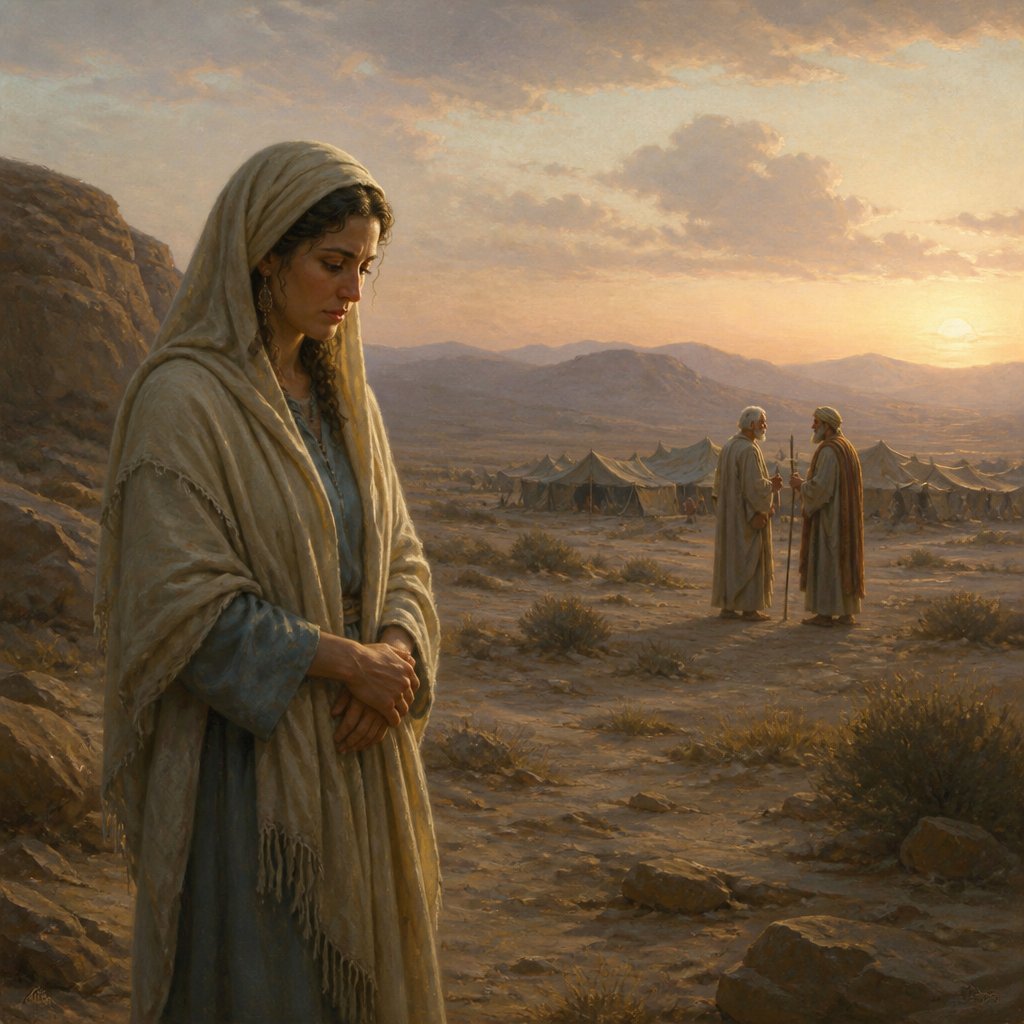
Deuteronomy 24:9 from the King James Version of the Bible states, "Remember what the Lord thy God did unto Miriam by the way, after that ye were come forth out of Egypt." This verse is a part of the Book of Deuteronomy, which is the fifth book of the Hebrew Bible and of the Old Testament. It is attributed to Moses and serves as a summary of the Israelites' journey and the laws that they should follow in the Promised Land.
The verse recalls the incident involving Miriam, the sister of Moses and Aaron, who plotted against Moses because of his marriage to a Cushite woman. In Numbers 12:1-15, Miriam and Aaron spoke against Moses, and as a result, Miriam was struck with leprosy. After seven days of being outside the camp, Miriam was healed and allowed to return. This verse serves as a reminder to the Israelites to remember what happened to Miriam as a consequence of her disobedience.
There are several themes that can be drawn from this verse. One of the central themes is the importance of remembering and reflecting on the past. The Israelites are being reminded of the consequences of disobedience and the need to learn from their mistakes. By remembering what happened to Miriam, they are being cautioned against speaking out against God's chosen leaders and the repercussions of such actions.
Another theme is the concept of obedience and trust in God's authority. Miriam and Aaron's rebellion against Moses was ultimately a rebellion against God's chosen leader. The verse serves as a warning to the Israelites to obey and respect the leaders that God has appointed over them. It underscores the importance of trusting in God's divine authority and following the path that He has set for them.
The context of this verse is significant in understanding its meaning. Deuteronomy is essentially a series of speeches by Moses to the Israelites before they enter the Promised Land. He recalls their journey through the wilderness and reiterates the laws and commandments that they are to obey once they settle in the land. The verse about Miriam serves as a cautionary tale within this context, reinforcing the importance of obedience and loyalty to God.
The symbolism in this verse lies in the consequences of disobedience and the restoration of faith. Miriam's affliction with leprosy symbolizes the physical and spiritual consequences of rebellion and disobedience. At the same time, her healing after seven days represents God's mercy and the opportunity for repentance and restoration. This serves as a symbolic reminder for the Israelites to heed God's laws and to seek forgiveness when they fall short.
In conclusion, Deuteronomy 24:9 serves as a poignant reminder for the Israelites to remember the consequences of disobedience and to learn from the mistakes of their ancestors. It emphasizes the themes of obedience, trust in God's authority, and the importance of reflecting on the past. The context of Moses' speeches and the symbolism of Miriam's story add depth and significance to the verse, making it a timeless lesson for believers about the consequences of disobedience and the grace of God.
Get our apps


Artwork for Deuteronomy 24:9

Deuteronomy 24:9 - "Remember what the LORD thy God did unto Miriam by the way, after that ye were come forth out of Egypt."
"Remember what the LORD thy God did unto Miriam by the way, after that ye were come forth out of Egypt." - Deuteronomy 24:9

Deuteronomy 9:24 - "Ye have been rebellious against the LORD from the day that I knew you."
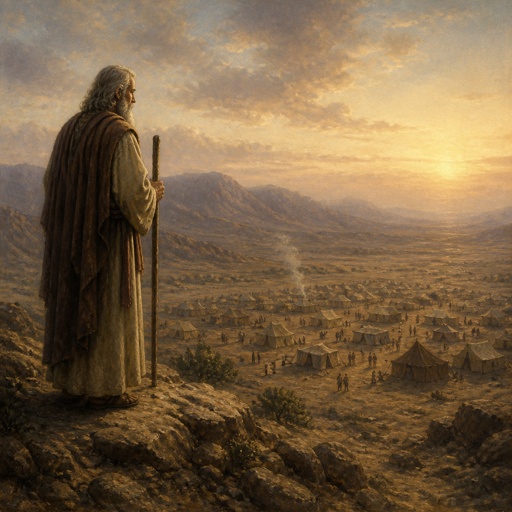
"Ye have been rebellious against the LORD from the day that I knew you." - Deuteronomy 9:24

Deuteronomy 24:12 - "And if the man be poor, thou shalt not sleep with his pledge:"

Deuteronomy 4:24 - "For the LORD thy God is a consuming fire, even a jealous God."

Deuteronomy 12:24 - "Thou shalt not eat it; thou shalt pour it upon the earth as water."

Deuteronomy 1:24 - "And they turned and went up into the mountain, and came unto the valley of Eshcol, and searched it out."

Deuteronomy 27:24 - "Cursed be he that smiteth his neighbour secretly. And all the people shall say, Amen."
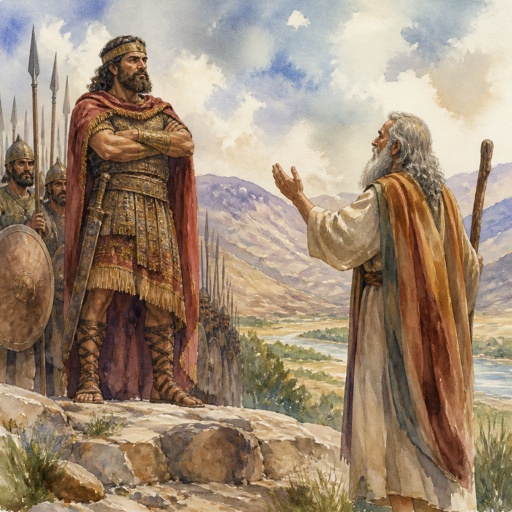
Sihon king of heshbon and Moses in Deuteronomy 2:24-37

Deuteronomy 24:17 - "¶ Thou shalt not pervert the judgment of the stranger, nor of the fatherless; nor take a widow's raiment to pledge:"

Deuteronomy 24:6 - "¶ No man shall take the nether or the upper millstone to pledge: for he taketh a man's life to pledge."

Deuteronomy 24:2 - "And when she is departed out of his house, she may go and be another man's wife."

Genesis 24-9

Deuteronomy 24:21 - "When thou gatherest the grapes of thy vineyard, thou shalt not glean it afterward: it shall be for the stranger, for the fatherless, and for the widow."

Deuteronomy 24:22 - "And thou shalt remember that thou wast a bondman in the land of Egypt: therefore I command thee to do this thing."

Deuteronomy 31:24 - "¶ And it came to pass, when Moses had made an end of writing the words of this law in a book, until they were finished,"

Genesis 9:24-25

Exodus 24:9-11

Jude 9:22-24

Deuteronomy 32:9 - "For the LORD'S portion is his people; Jacob is the lot of his inheritance."

Deuteronomy 3:9 - "(Which Hermon the Sidonians call Sirion; and the Amorites call it Shenir;)"

Deuteronomy 9:22 - "And at Taberah, and at Massah, and at Kibroth-hattaavah, ye provoked the LORD to wrath."

Deuteronomy 24:10 - "¶ When thou dost lend thy brother any thing, thou shalt not go into his house to fetch his pledge."

Deuteronomy 24:20 - "When thou beatest thine olive tree, thou shalt not go over the boughs again: it shall be for the stranger, for the fatherless, and for the widow."

Deuteronomy 24:11 - "Thou shalt stand abroad, and the man to whom thou dost lend shall bring out the pledge abroad unto thee."

"And if the man be poor, thou shalt not sleep with his pledge:" - Deuteronomy 24:12

1 Chronicles 24:9 - "The fifth to Malchijah, the sixth to Mijamin,"

Deuteronomy 6:9 - "And thou shalt write them upon the posts of thy house, and on thy gates."

Deuteronomy 29:24 - "Even all nations shall say, Wherefore hath the LORD done thus unto this land? what meaneth the heat of this great anger?"