What does Deuteronomy 26:18 mean?
“And the LORD hath avouched thee this day to be his peculiar people, as he hath promised thee, and that thou shouldest keep all his commandments;” — Deuteronomy 26:18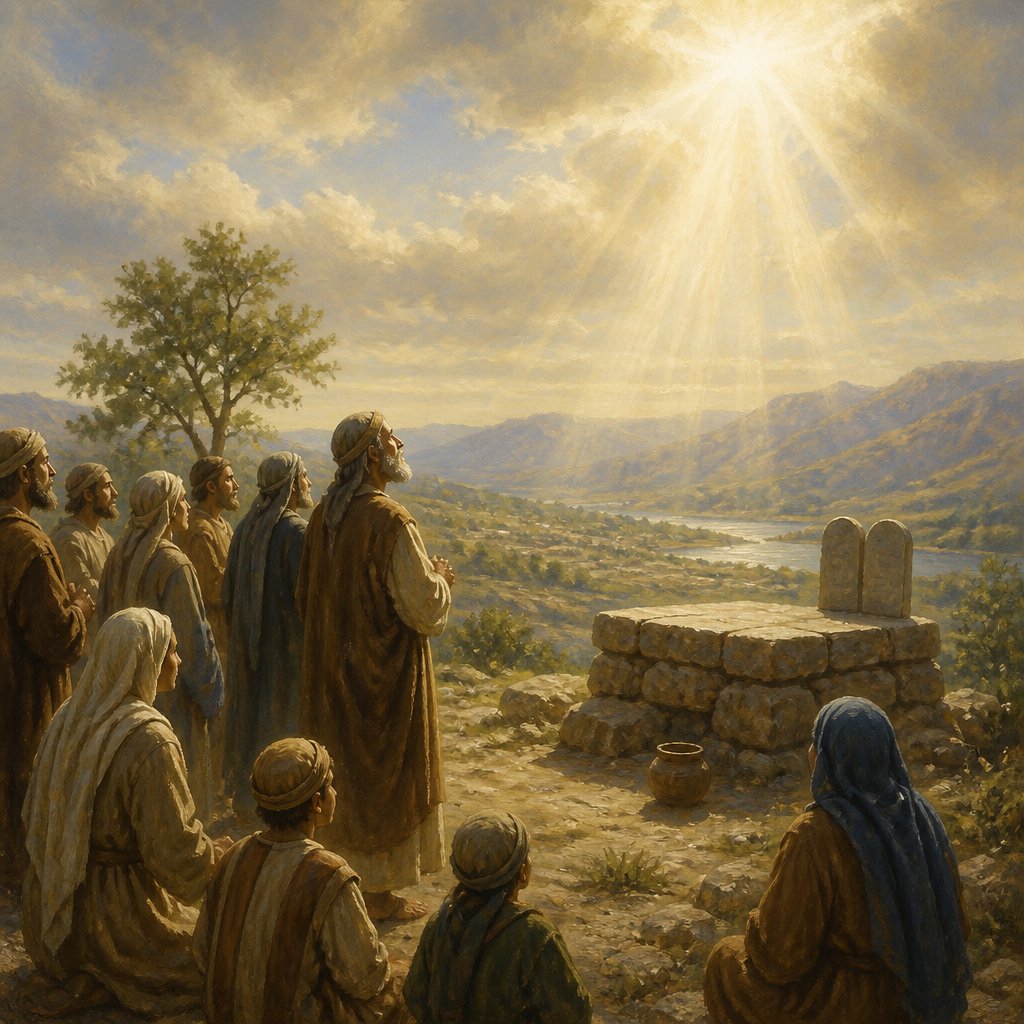
Deuteronomy 26:18 (KJV) - "And the Lord hath avouched thee this day to be his peculiar people, as he hath promised thee, and that thou shouldest keep all his commandments;"
The book of Deuteronomy is a pivotal text in the Hebrew Bible, offering a reiteration of the laws and teachings given to the Israelites, as well as a call to covenant renewal and obedience to God. Deuteronomy 26:18 is a verse within a larger passage that outlines the ritual of bringing the first fruits of the land to the Lord and reciting a creed affirming God’s faithfulness to Israel. The verse holds significance in its affirmation of the covenant relationship between God and the people of Israel, emphasizing their unique and chosen status.
At the heart of this verse lies the concept of Israel as God's "peculiar people." The term "peculiar" denotes the idea of being special, chosen, and set apart. The Israelites are not merely a random assembly of individuals, but a people who have been specifically chosen by God for a unique purpose. This special relationship is based on God's promise to the patriarchs and his redemptive acts in delivering the Israelites from bondage in Egypt.
The verse also emphasizes the reciprocal nature of the covenant, as it asserts that the Israelites are avouched (affirmed or declared) by God as his chosen people, but this status carries with it the expectation of obedience to God’s commandments. The covenant between God and Israel is not just a one-sided agreement; it requires the active participation of both parties. The Israelites are to keep all of God’s commandments, illustrating their commitment to living in accordance with God’s will.
Moreover, this verse is situated within a wider context of the Israelites' journey towards the Promised Land. It serves as a reminder to the Israelites that their identity and purpose are tied to God's covenant promises and the observance of his commandments. By keeping God’s commandments, the Israelites demonstrate their faithfulness and devotion, and thus fulfill their part of the covenant agreement.
In terms of symbolism, this verse underscores the idea of God’s faithfulness and sovereignty. The notion of being God's "peculiar people" carries the symbolism of exclusivity and intimacy. It signifies that the Israelites are not just another nation, but a chosen and treasured possession of God. This status also brings with it a sense of responsibility, as the Israelites are called to represent God's character and values to the world around them.
Additionally, the concept of "keeping all his commandments" symbolizes the Israelites' commitment to living in harmony with God's moral and ethical standards. Obeying God’s commandments is a tangible demonstration of their loyalty and submission to God's authority.
The theme of covenant and obedience is central to this verse, echoing throughout the book of Deuteronomy and indeed the entire Hebrew Bible. It underscores the profound relationship between God and his people, characterized by love, faithfulness, and mutual commitment. It also emphasizes the idea of walking in God's ways and upholding his standards as essential aspects of the Israelites' identity and purpose.
In conclusion, Deuteronomy 26:18 is a verse that encapsulates the core elements of the covenant relationship between God and the people of Israel. It speaks to the chosen status of the Israelites, their responsibility to obediently follow God's commandments, and the enduring faithfulness of God. It is a potent reminder of the enduring significance of the covenant in the life of Israel and serves as a call to faithfulness and devotion to God.
Get our apps


Artwork for Deuteronomy 26:18

Deuteronomy 26:18 - "And the LORD hath avouched thee this day to be his peculiar people, as he hath promised thee, and that thou shouldest keep all his commandments;"
"And the LORD hath avouched thee this day to be his peculiar people, as he hath promised thee, and that thou shouldest keep all his commandments;" - Deuteronomy 26:18

Deuteronomy 26:4-10

Deuteronomy 26:4-10

Deuteronomy 11:26 - "¶ Behold, I set before you this day a blessing and a curse;"

Genesis 18-26

Genesis 26:18

Deuteronomy 5:18 - "Neither shalt thou commit adultery."

Joshua 18:26 - "And Mizpeh, and Chephirah, and Mozah,"

Deuteronomy 26:6 - "And the Egyptians evil entreated us, and afflicted us, and laid upon us hard bondage:"

Deuteronomy 18:11 - "Or a charmer, or a consulter with familiar spirits, or a wizard, or a necromancer."

Deuteronomy 18:13 - "Thou shalt be perfect with the LORD thy God."

Deuteronomy 1:26 - "Notwithstanding ye would not go up, but rebelled against the commandment of the LORD your God:"

Deuteronomy 22:18 - "And the elders of that city shall take that man and chastise him;"

Deuteronomy 14:18 - "And the stork, and the heron after her kind, and the lapwing, and the bat."

Luke 18:26 - "And they that heard it said, Who then can be saved?"

Deuteronomy 27:26 - "Cursed be he that confirmeth not all the words of this law to do them. And all the people shall say, Amen."

Deuteronomy 2:26 - "¶ And I sent messengers out of the wilderness of Kedemoth unto Sihon king of Heshbon with words of peace, saying,"

Deuteronomy 2:18 - "Thou art to pass over through Ar, the coast of Moab, this day:"

Deuteronomy 26:9 - "And he hath brought us into this place, and hath given us this land, even a land that floweth with milk and honey."

Deuteronomy 26:8 - "And the LORD brought us forth out of Egypt with a mighty hand, and with an outstretched arm, and with great terribleness, and with signs, and with wonders:"

Deuteronomy 26:4 - "And the priest shall take the basket out of thine hand, and set it down before the altar of the LORD thy God."

Deuteronomy 31:26 - "Take this book of the law, and put it in the side of the ark of the covenant of the LORD your God, that it may be there for a witness against thee."

Deuteronomy 33:26 - "¶ There is none like unto the God of Jeshurun, who rideth upon the heaven in thy help, and in his excellency on the sky."

Proverbs 26:18 - "As a mad man who casteth firebrands, arrows, and death,"

1 Chronicles 26:18 - "At Parbar westward, four at the causeway, and two at Parbar."

Deuteronomy 18:17 - "And the LORD said unto me, They have well spoken that which they have spoken."

Deuteronomy 5:26 - "For who is there of all flesh, that hath heard the voice of the living God speaking out of the midst of the fire, as we have, and lived?"

Deuteronomy 29:26 - "For they went and served other gods, and worshipped them, gods whom they knew not, and whom he had not given unto them:"

"And Mizpeh, and Chephirah, and Mozah," - Joshua 18:26