What does Deuteronomy 26:9 mean?
“And he hath brought us into this place, and hath given us this land, even a land that floweth with milk and honey.” — Deuteronomy 26:9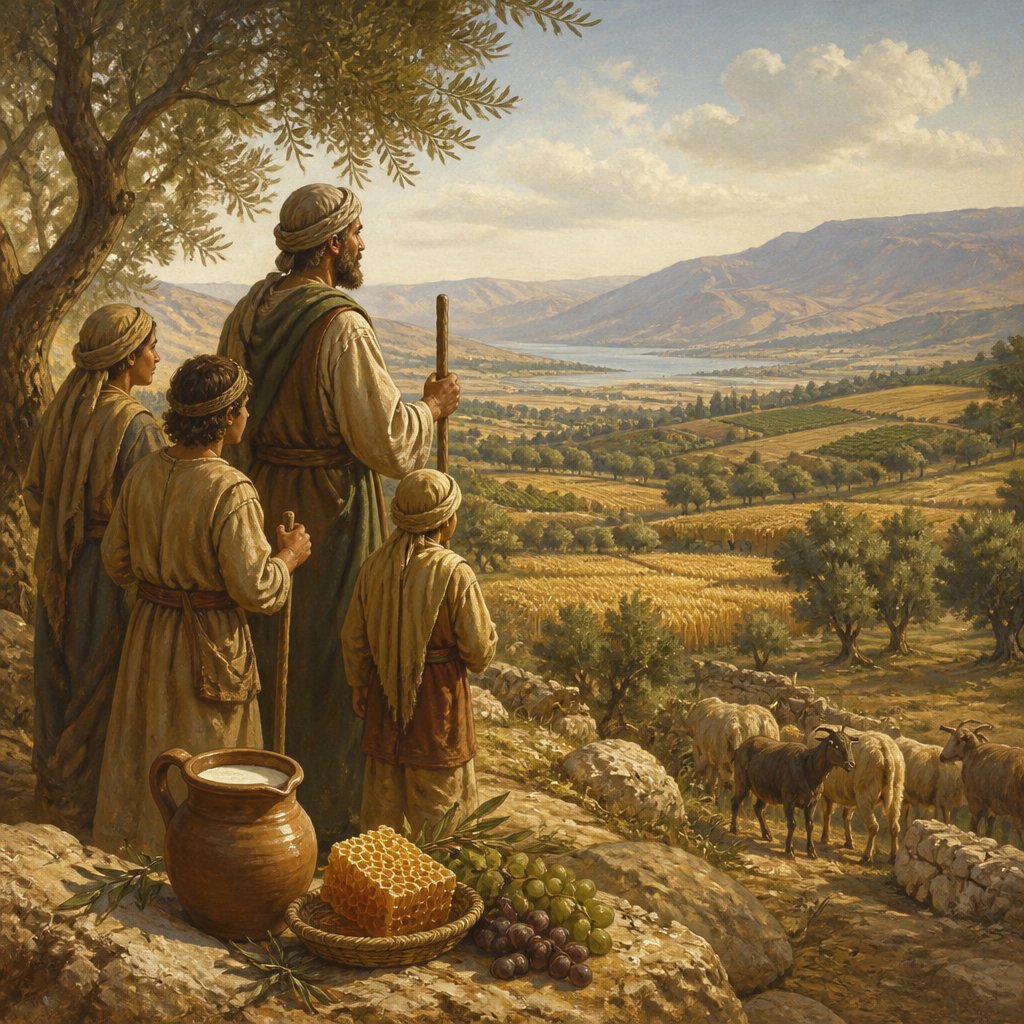
Deuteronomy 26:9 (KJV): And he hath brought us into this place, and hath given us this land, even a land that floweth with milk and honey.
In this verse from the book of Deuteronomy, the speaker is expressing gratitude to God for leading the Israelites to the Promised Land, a land that is abundant and prosperous.
The book of Deuteronomy is the fifth book of the Hebrew Bible and the last book of the Torah. It is attributed to Moses and contains his farewell address to the Israelites before they enter the Promised Land. In this address, Moses reminds the people of their history, their covenant with God, and the laws they are to follow in the new land.
Deuteronomy 26:9 is part of a passage known as the "Confession of Tithes" in which the Israelites are instructed to bring their firstfruits to the Lord as an offering of thanksgiving for the land he has given them. This verse is a declaration of the abundance and prosperity of the land, which is likened to flowing with milk and honey. This imagery represents the richness and fertility of the land, signifying God's provision for his people.
The verse is significant in its historical and cultural context as it reinforces the idea of the Promised Land as a place of blessing and abundance. The mention of milk and honey illustrates the agricultural and pastoral wealth of the land, as well as its suitability for human habitation and sustenance.
Furthermore, the verse reflects the theme of gratitude and acknowledgment of God's role in bringing the Israelites to the Promised Land. It serves as a reminder to the people that their prosperity and blessings are a result of God's faithfulness and provision. This theme of gratitude is a recurring motif in the book of Deuteronomy, as the Israelites are repeatedly urged to remember and give thanks for God's deliverance and provision.
The symbolism of the land flowing with milk and honey also holds theological significance. In the biblical context, milk and honey are often associated with divine blessings and the abundance of God's provision. The imagery evokes the idea of a land that is nourishing and fertile, reflecting God's care for his people and his desire for their well-being.
Additionally, the verse can be interpreted as a metaphor for the spiritual abundance and blessings that God provides to his people. The land flowing with milk and honey represents the spiritual blessings, grace, and abundance that God bestows upon those who are faithful to him. It conveys the idea of a land of spiritual fulfillment, where God's presence and blessings are abundant.
In conclusion, Deuteronomy 26:9 is a verse that encapsulates themes of gratitude, abundance, and divine provision in the context of the Promised Land. It serves as a reminder of God's faithfulness and provision for his people, both in material and spiritual terms. The imagery of a land flowing with milk and honey symbolizes God's abundant blessings and the fulfillment of his promises to his people. As such, this verse is a powerful expression of faith and thanksgiving, and a testament to the enduring significance of the Promised Land in biblical theology.
Get our apps


Artwork for Deuteronomy 26:9

Deuteronomy 26:9 - "And he hath brought us into this place, and hath given us this land, even a land that floweth with milk and honey."
"And he hath brought us into this place, and hath given us this land, even a land that floweth with milk and honey." - Deuteronomy 26:9

Deuteronomy 9:26 - "I prayed therefore unto the LORD, and said, O Lord GOD, destroy not thy people and thine inheritance, which thou hast redeemed through thy greatness, which thou hast brought forth out of Egypt with a mighty hand."

Deuteronomy 26:4-10

Deuteronomy 26:4-10

Deuteronomy 11:26 - "¶ Behold, I set before you this day a blessing and a curse;"

Deuteronomy 26:6 - "And the Egyptians evil entreated us, and afflicted us, and laid upon us hard bondage:"

Deuteronomy 1:26 - "Notwithstanding ye would not go up, but rebelled against the commandment of the LORD your God:"

Genesis 26:9

Deuteronomy 27:26 - "Cursed be he that confirmeth not all the words of this law to do them. And all the people shall say, Amen."

Deuteronomy 2:26 - "¶ And I sent messengers out of the wilderness of Kedemoth unto Sihon king of Heshbon with words of peace, saying,"

Deuteronomy 26:8 - "And the LORD brought us forth out of Egypt with a mighty hand, and with an outstretched arm, and with great terribleness, and with signs, and with wonders:"

Deuteronomy 26:4 - "And the priest shall take the basket out of thine hand, and set it down before the altar of the LORD thy God."

Deuteronomy 31:26 - "Take this book of the law, and put it in the side of the ark of the covenant of the LORD your God, that it may be there for a witness against thee."

Deuteronomy 33:26 - "¶ There is none like unto the God of Jeshurun, who rideth upon the heaven in thy help, and in his excellency on the sky."

Deuteronomy 9:25-26 - "So I lay prostrate before the Lord for these forty days and forty nights, because the Lord had said he would destroy you. And I prayed to the Lord, 'O Lord God, do not destroy your people and your heritage, whom you have redeemed through your greatness, whom you have brought out of Egypt with a mighty hand."

Deuteronomy 5:26 - "For who is there of all flesh, that hath heard the voice of the living God speaking out of the midst of the fire, as we have, and lived?"

Deuteronomy 29:26 - "For they went and served other gods, and worshipped them, gods whom they knew not, and whom he had not given unto them:"

Deuteronomy 28:26 - "And thy carcase shall be meat unto all fowls of the air, and unto the beasts of the earth, and no man shall fray them away."

Deuteronomy 32:26 - "I said, I would scatter them into corners, I would make the remembrance of them to cease from among men:"

Deuteronomy 32:9 - "For the LORD'S portion is his people; Jacob is the lot of his inheritance."

Deuteronomy 3:9 - "(Which Hermon the Sidonians call Sirion; and the Amorites call it Shenir;)"

Deuteronomy 9:22 - "And at Taberah, and at Massah, and at Kibroth-hattaavah, ye provoked the LORD to wrath."

Deuteronomy 26:1 - "And it shall be, when thou art come in unto the land which the LORD thy God giveth thee for an inheritance, and possessest it, and dwellest therein;"

Matthew 9:26 - "And the fame hereof went abroad into all that land."

Deuteronomy 26:18 - "And the LORD hath avouched thee this day to be his peculiar people, as he hath promised thee, and that thou shouldest keep all his commandments;"

Job 9:26 - "They are passed away as the swift ships: as the eagle that hasteth to the prey."
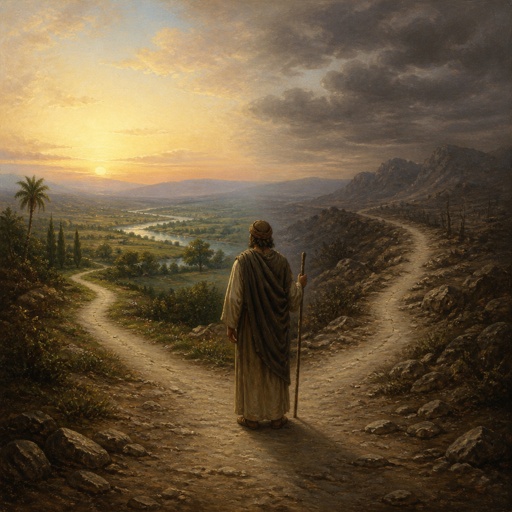
"¶ Behold, I set before you this day a blessing and a curse;" - Deuteronomy 11:26

Deuteronomy 6:9 - "And thou shalt write them upon the posts of thy house, and on thy gates."

Deuteronomy 26:7 - "And when we cried unto the LORD God of our fathers, the LORD heard our voice, and looked on our affliction, and our labour, and our oppression:"