What does Deuteronomy 27:4 mean?
“Therefore it shall be when ye be gone over Jordan, that ye shall set up these stones, which I command you this day, in mount Ebal, and thou shalt plaister them with plaister.” — Deuteronomy 27:4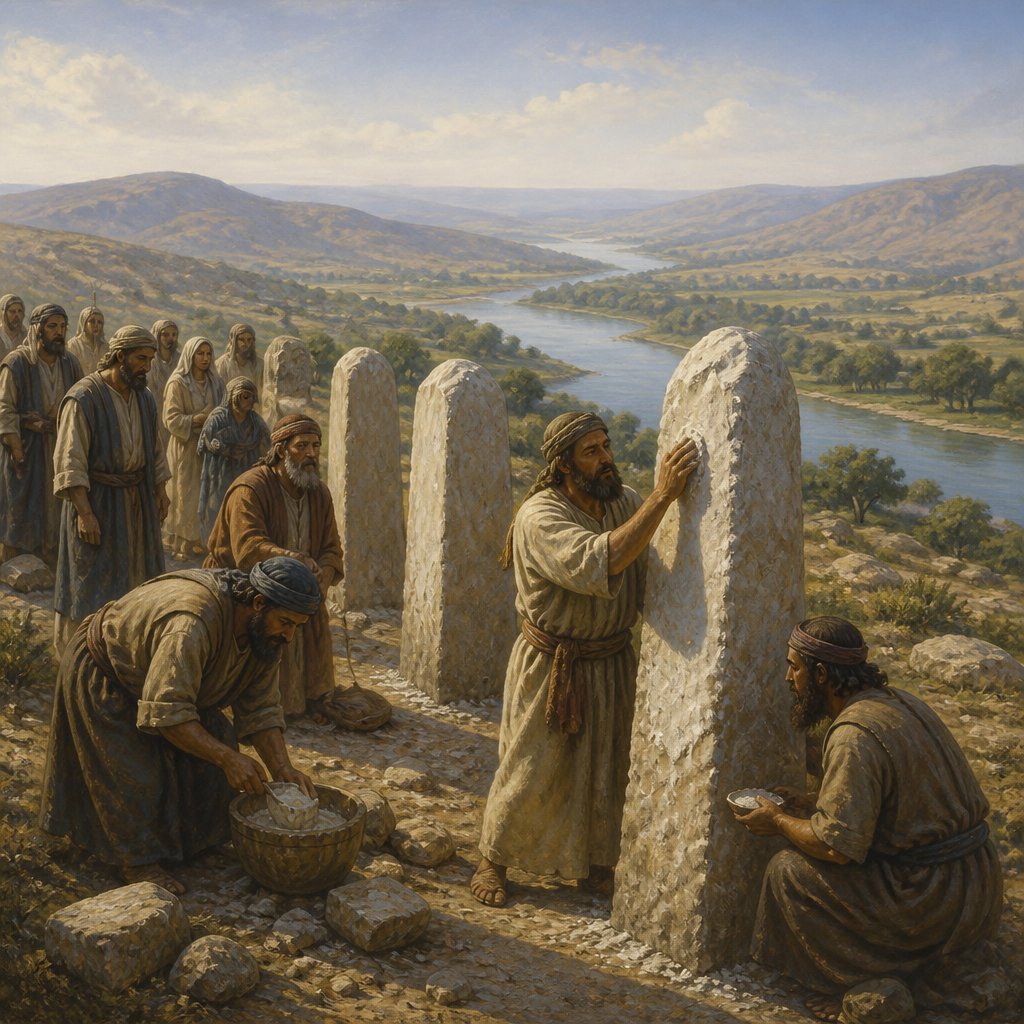
Deuteronomy 27:4 (KJV) states, "Therefore it shall be when ye be gone over Jordan, that ye shall set up these stones, which I command you this day, in mount Ebal, and thou shalt plaster them with plaster."
This verse is part of the narrative in the Book of Deuteronomy, which is the fifth book of the Hebrew Bible and of the Old Testament. Deuteronomy is known for its focus on laws, ethical behavior, and the importance of loyalty to God. It is essentially the final message and instruction from Moses to the Israelites before they enter the Promised Land.
In this particular verse, Moses is commanding the Israelites to set up stones on Mount Ebal once they have crossed the Jordan River. The specific instruction to plaster the stones with plaster is significant and provides insight into the symbolic and ritualistic nature of this act.
To understand the full significance of this verse, it is important to consider the broader context in which it is situated. The broader context includes the historical and cultural circumstances surrounding the Israelites as well as the theological themes present in the Book of Deuteronomy.
The act of setting up stones and plastering them with plaster was a common practice in the ancient Near East and was often associated with the establishment of a covenant or a commemoration of a significant event. In this context, the setting up of stones on Mount Ebal was a covenantal act, symbolizing the commitment of the Israelites to the covenant with God.
Mount Ebal held symbolic significance as well. It was a place associated with curses and judgment, as referenced in earlier verses in Deuteronomy. By setting up the stones on Mount Ebal, the Israelites were acknowledging the consequences of breaking the covenant and affirming their commitment to obeying God's commandments.
The act of plastering the stones with plaster also carries symbolic weight. Plaster served as a protective covering, indicating the permanence and durability of the covenant. It also symbolized the need for purity and sanctity in maintaining the covenant.
The theological themes present in this verse are deeply rooted in the broader narrative of the Book of Deuteronomy. The emphasis on obedience to God's commandments, the consequences of disobedience, and the importance of maintaining a covenantal relationship with God are all central to the book.
Furthermore, the setting up of stones and plastering them with plaster also reflects the Israelites' collective memory and identity. These physical markers served as a reminder of their covenantal relationship with God and the significance of their journey as a people.
In addition to its historical and theological significance, this verse also holds relevance for contemporary readers. It serves as a reminder of the importance of honoring commitments, maintaining integrity, and upholding one's religious and moral obligations. It also emphasizes the enduring nature of God's covenant with his people and the need for fidelity to that covenant.
In conclusion, Deuteronomy 27:4 carries deep symbolic and ritualistic significance within the broader context of the Book of Deuteronomy. It serves as a reminder of the Israelites' covenantal commitment to God, their collective identity and memory, and the theological themes of obedience and fidelity. It also offers timeless lessons for personal and communal faithfulness and integrity.
Get our apps


Artwork for Deuteronomy 27:4

Deuteronomy 27:4 - "Therefore it shall be when ye be gone over Jordan, that ye shall set up these stones, which I command you this day, in mount Ebal, and thou shalt plaister them with plaister."
"Therefore it shall be when ye be gone over Jordan, that ye shall set up these stones, which I command you this day, in mount Ebal, and thou shalt plaister them with plaister." - Deuteronomy 27:4
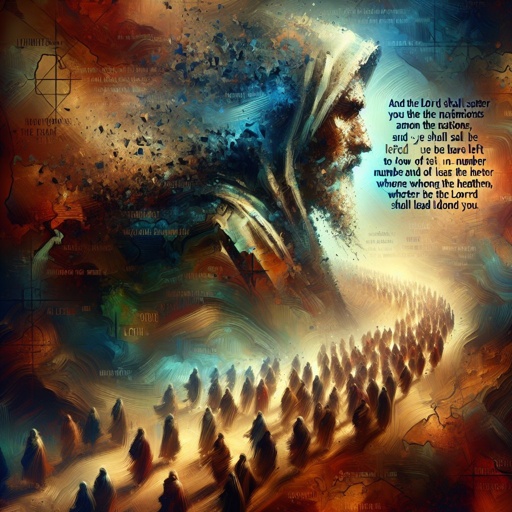
Deuteronomy 4:27 - "And the LORD shall scatter you among the nations, and ye shall be left few in number among the heathen, whither the LORD shall lead you."

Deuteronomy 27:11 - "¶ And Moses charged the people the same day, saying,"

Deuteronomy 27:14 - "¶ And the Levites shall speak, and say unto all the men of Israel with a loud voice,"

Deuteronomy 27:8 - "And thou shalt write upon the stones all the words of this law very plainly."

Deuteronomy 22:27 - "For he found her in the field, and the betrothed damsel cried, and there was none to save her."

Deuteronomy 27:21 - "Cursed be he that lieth with any manner of beast. And all the people shall say, Amen."

Deuteronomy 29:27 - "And the anger of the LORD was kindled against this land, to bring upon it all the curses that are written in this book:"

Deuteronomy 27:17 - "Cursed be he that removeth his neighbour's landmark. And all the people shall say, Amen."

Deuteronomy 27:24 - "Cursed be he that smiteth his neighbour secretly. And all the people shall say, Amen."

Deuteronomy 27:23 - "Cursed be he that lieth with his mother in law. And all the people shall say, Amen."

Deuteronomy 28:27 - "The LORD will smite thee with the botch of Egypt, and with the emerods, and with the scab, and with the itch, whereof thou canst not be healed."

Deuteronomy 27:19 - "Cursed be he that perverteth the judgment of the stranger, fatherless, and widow. And all the people shall say, Amen."

Deuteronomy 11:27 - "A blessing, if ye obey the commandments of the LORD your God, which I command you this day:"

Deuteronomy 27:18 - "Cursed be he that maketh the blind to wander out of the way. And all the people shall say, Amen."

Deuteronomy 27:7 - "And thou shalt offer peace offerings, and shalt eat there, and rejoice before the LORD thy God."

Deuteronomy 27:13 - "And these shall stand upon mount Ebal to curse; Reuben, Gad, and Asher, and Zebulun, Dan, and Naphtali."

Deuteronomy 27:25 - "Cursed be he that taketh reward to slay an innocent person. And all the people shall say, Amen."

Deuteronomy 27:26 - "Cursed be he that confirmeth not all the words of this law to do them. And all the people shall say, Amen."

Deuteronomy 27:16 - "Cursed be he that setteth light by his father or his mother. And all the people shall say, Amen."
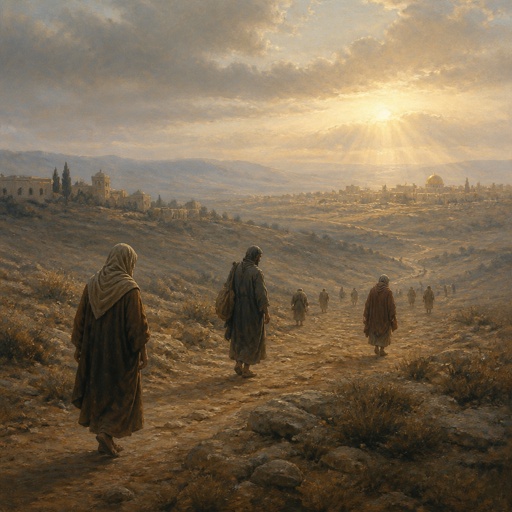
"And the LORD shall scatter you among the nations, and ye shall be left few in number among the heathen, whither the LORD shall lead you." - Deuteronomy 4:27

Deuteronomy 27:1 - "And Moses with the elders of Israel commanded the people, saying, Keep all the commandments which I command you this day."

"¶ And Moses charged the people the same day, saying," - Deuteronomy 27:11

Galatians 4:24-27

Deuteronomy 9:27 - "Remember thy servants, Abraham, Isaac, and Jacob; look not unto the stubbornness of this people, nor to their wickedness, nor to their sin:"
Deuteronomy 14:27 - "And the Levite that is within thy gates; thou shalt not forsake him; for he hath no part nor inheritance with thee."

Deuteronomy 26:4-10

Deuteronomy 26:4-10

Deuteronomy 4:4 - "But ye that did cleave unto the LORD your God are alive every one of you this day."