What does Deuteronomy 27:6 mean?
"Thou shalt build the altar of the LORD thy God of whole stones: and thou shalt offer burnt offerings thereon unto the LORD thy God:" - Deuteronomy 27:6
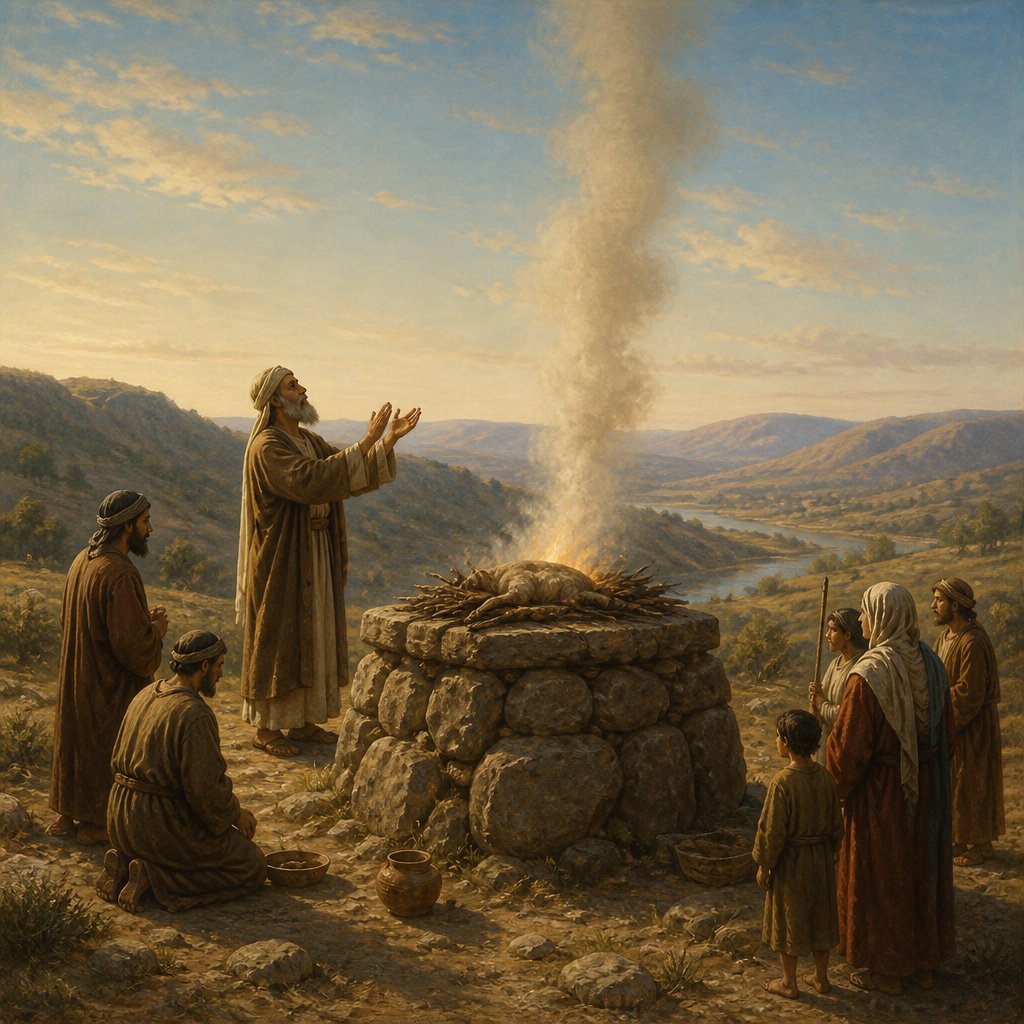
Deuteronomy 27:6 (KJV) reads, "Thou shalt build the altar of the Lord thy God of whole stones: and thou shalt offer burnt offerings thereon unto the Lord thy God."
This verse comes from the book of Deuteronomy in the Old Testament and is part of the instructions given by Moses to the Israelites as they prepare to enter the Promised Land. The book of Deuteronomy is largely a series of speeches given by Moses to the Israelites, reiterating the laws and commandments that God had given them and reminding them of the importance of obeying these laws.
In this particular verse, Moses is instructing the Israelites to build an altar to the Lord their God using whole stones. The construction of the altar using whole stones is significant because it symbolizes wholeness, stability, and purity. The use of whole stones also signifies the permanence and solidity of the covenant between God and His people. The Israelites are commanded to offer burnt offerings on this altar, which was a common practice in ancient Israel and served as a way for the people to demonstrate their devotion and obedience to God.
The building of the altar and the offering of burnt offerings were essential components of the Israelites' worship and their relationship with God. The act of building the altar and making offerings was a physical demonstration of their commitment to God and their desire to follow His commands. It was also a way for the Israelites to seek forgiveness for their sins and to express gratitude for God's grace and provision.
The act of offering burnt offerings can also be understood as a symbol of surrender and self-sacrifice. The burnt offering was entirely consumed by fire, representing the complete giving of oneself to God. In a similar way, the Israelites were called to offer themselves entirely to God, surrendering their will and desires to Him.
From a broader theological perspective, this verse and the practice of offering burnt offerings point to the atoning sacrifice of Jesus Christ. In the New Testament, Jesus is revealed as the ultimate sacrifice for the forgiveness of sins, and His death on the cross fulfilled the need for all other sacrifices. The construction of the altar and the offering of burnt offerings in the Old Testament foreshadowed the redemptive work of Christ and the establishment of a new covenant between God and humanity.
Additionally, this verse emphasizes the importance of worship and reverence for God. Building the altar and offering sacrifices were acts of worship that served to remind the Israelites of their dependence on God and His central role in their lives. Moreover, this verse underscores the need for obedience and faithfulness to God's commands. By following the instructions given to them, the Israelites demonstrated their willingness to submit to God's authority and to honor Him.
In conclusion, Deuteronomy 27:6 carries significant theological, symbolic, and practical implications for the Israelites and for believers today. It calls for wholehearted devotion, self-sacrifice, and obedience to God, and highlights the centrality of worship and the need for a right relationship with God. Ultimately, it points to the redemptive work of Jesus Christ and the establishment of a new covenant based on His atoning sacrifice.
Have questions about Deuteronomy 27:6?
Dive deeper into this scripture with Bible Chat — an AI-powered tool for exploring God's Word through conversation. Ask questions, get context, and grow in your understanding of the Bible.
Get Our Apps


Deuteronomy 27:6 Artwork
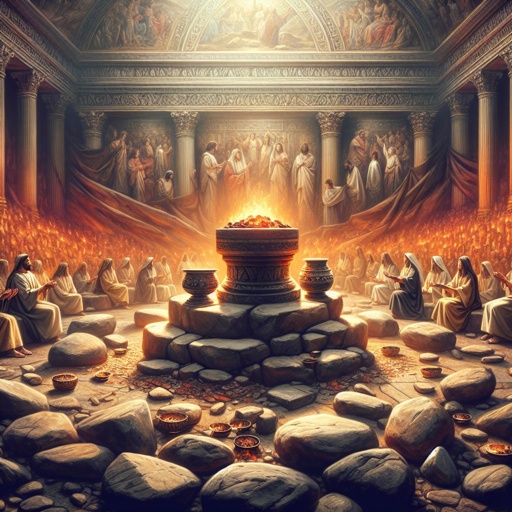
Deuteronomy 27:6 - "Thou shalt build the altar of the LORD thy God of whole stones: and thou shalt offer burnt offerings thereon unto the LORD thy God:"
"Thou shalt build the altar of the LORD thy God of whole stones: and thou shalt offer burnt offerings thereon unto the LORD thy God:" - Deuteronomy 27:6

Deuteronomy 27:11 - "¶ And Moses charged the people the same day, saying,"

Deuteronomy 27:14 - "¶ And the Levites shall speak, and say unto all the men of Israel with a loud voice,"

Deuteronomy 27:8 - "And thou shalt write upon the stones all the words of this law very plainly."

Deuteronomy 22:27 - "For he found her in the field, and the betrothed damsel cried, and there was none to save her."

Deuteronomy 29:27 - "And the anger of the LORD was kindled against this land, to bring upon it all the curses that are written in this book:"

Deuteronomy 27:21 - "Cursed be he that lieth with any manner of beast. And all the people shall say, Amen."

Deuteronomy 27:17 - "Cursed be he that removeth his neighbour's landmark. And all the people shall say, Amen."

Deuteronomy 27:23 - "Cursed be he that lieth with his mother in law. And all the people shall say, Amen."

Deuteronomy 27:24 - "Cursed be he that smiteth his neighbour secretly. And all the people shall say, Amen."

Deuteronomy 6:6 - "And these words, which I command thee this day, shall be in thine heart:"

Deuteronomy 28:27 - "The LORD will smite thee with the botch of Egypt, and with the emerods, and with the scab, and with the itch, whereof thou canst not be healed."

Deuteronomy 27:19 - "Cursed be he that perverteth the judgment of the stranger, fatherless, and widow. And all the people shall say, Amen."

Deuteronomy 11:27 - "A blessing, if ye obey the commandments of the LORD your God, which I command you this day:"

Deuteronomy 27:18 - "Cursed be he that maketh the blind to wander out of the way. And all the people shall say, Amen."

Deuteronomy 27:26 - "Cursed be he that confirmeth not all the words of this law to do them. And all the people shall say, Amen."

Deuteronomy 27:16 - "Cursed be he that setteth light by his father or his mother. And all the people shall say, Amen."

Deuteronomy 27:7 - "And thou shalt offer peace offerings, and shalt eat there, and rejoice before the LORD thy God."

Deuteronomy 27:25 - "Cursed be he that taketh reward to slay an innocent person. And all the people shall say, Amen."

Deuteronomy 27:13 - "And these shall stand upon mount Ebal to curse; Reuben, Gad, and Asher, and Zebulun, Dan, and Naphtali."

Job 27:6

luke 6: 27

Deuteronomy 27:1 - "And Moses with the elders of Israel commanded the people, saying, Keep all the commandments which I command you this day."

"¶ And Moses charged the people the same day, saying," - Deuteronomy 27:11

Deuteronomy 34:5-6

Deuteronomy 9:27 - "Remember thy servants, Abraham, Isaac, and Jacob; look not unto the stubbornness of this people, nor to their wickedness, nor to their sin:"
Deuteronomy 14:27 - "And the Levite that is within thy gates; thou shalt not forsake him; for he hath no part nor inheritance with thee."

Luke 6: 27-38

Luke 6:27-38