What does Deuteronomy 28:13 mean?
“And the LORD shall make thee the head, and not the tail; and thou shalt be above only, and thou shalt not be beneath; if that thou hearken unto the commandments of the LORD thy God, which I command thee this day, to observe and to do them:” — Deuteronomy 28:13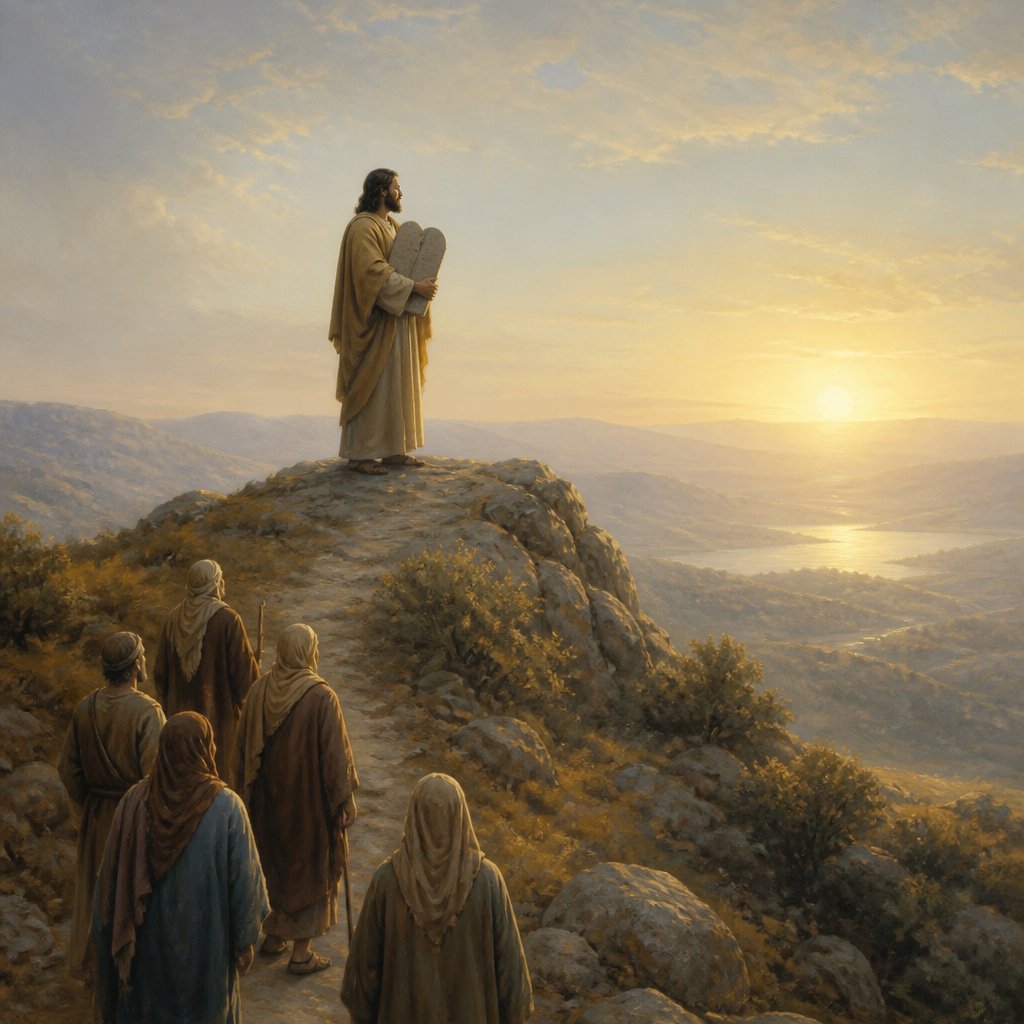
Deuteronomy 28:13 in the King James Version of the Bible states, "And the Lord shall make thee the head, and not the tail; and thou shalt be above only, and thou shalt not be beneath; if that thou hearken unto the commandments of the Lord thy God, which I command thee this day, to observe and to do them." This verse is part of a larger passage in the book of Deuteronomy in which Moses is delivering a series of blessings and curses to the people of Israel as they prepare to enter the Promised Land.
The verse is a powerful declaration of God's intention for his people. It promises that if the people of Israel obey God's commandments, they will be exalted and not humiliated, they will be the head and not the tail. This imagery conveys the idea of being in a position of leadership and strength rather than following behind or being under someone else's authority. It is a profound affirmation of God's favor and blessing on those who are obedient to him.
The themes present in Deuteronomy 28:13 are obedience, blessing, and leadership. Obedience to God's commandments is linked to receiving his blessings and favor, and those who obey will be elevated to positions of authority and influence. This verse emphasizes the importance of following God's instructions and the rewards that come as a result.
The context of this verse is significant as it comes in the midst of Moses' address to the Israelites, recounting the covenant that God made with them and urging them to remain faithful to it as they enter the land of Canaan. The blessings and curses outlined in this passage serve as a reminder of the consequences of obedience and disobedience, encouraging the people to choose the path of righteousness and faithfulness to God.
The symbolism in Deuteronomy 28:13 is powerful and multi-faceted. The image of being the head and not the tail speaks to the idea of being in a position of authority and leadership, a symbol of God's empowerment and favor. It also conveys the notion of being at the forefront, leading the way, rather than being behind and following others. This symbolism reinforces the idea of God's intention to elevate his people when they adhere to his commandments.
Additionally, the imagery of being above and not beneath highlights the idea of being exalted and esteemed, rather than being in a position of lowliness or subjugation. It symbolizes God's desire to lift his people up and set them on high, demonstrating his faithfulness and protection over them.
Overall, Deuteronomy 28:13 is a powerful affirmation of God's intention to bless and exalt those who are obedient to him. It encapsulates the themes of obedience, blessing, and leadership, with rich symbolism that conveys God's desire to elevate and empower his people. The context of this verse within Moses' address to the Israelites adds depth and significance to its message, serving as a reminder of the covenant relationship between God and his people. This verse continues to inspire and encourage believers to remain faithful and obedient to God, trusting in his promises of blessing and favor.
Get our apps


Artwork for Deuteronomy 28:13

Deuteronomy 28:13 - "And the LORD shall make thee the head, and not the tail; and thou shalt be above only, and thou shalt not be beneath; if that thou hearken unto the commandments of the LORD thy God, which I command thee this day, to observe and to do them:"
"And the LORD shall make thee the head, and not the tail; and thou shalt be above only, and thou shalt not be beneath; if that thou hearken unto the commandments of the LORD thy God, which I command thee this day, to observe and to do them:" - Deuteronomy 28:13

Deuteronomy 28:28 - "The LORD shall smite thee with madness, and blindness, and astonishment of heart:"

Deuteronomy 28:5 - "Blessed shall be thy basket and thy store."

Deuteronomy 28:17 - "Cursed shall be thy basket and thy store."

Deuteronomy 32:28 - "For they are a nation void of counsel, neither is there any understanding in them."

"The LORD shall smite thee with madness, and blindness, and astonishment of heart:" - Deuteronomy 28:28

Deuteronomy 28:16 - "Cursed shalt thou be in the city, and cursed shalt thou be in the field."

Deuteronomy 28:3 - "Blessed shalt thou be in the city, and blessed shalt thou be in the field."

Deuteronomy 28:42 - "All thy trees and fruit of thy land shall the locust consume."

Deuteronomy 28:46 - "And they shall be upon thee for a sign and for a wonder, and upon thy seed for ever."

Genesis 28-13

Ezekiel 28:13

Deuteronomy 28:34 - "So that thou shalt be mad for the sight of thine eyes which thou shalt see."

Deuteronomy 22:28 - "¶ If a man find a damsel that is a virgin, which is not betrothed, and lay hold on her, and lie with her, and they be found;"

Deuteronomy 28:27 - "The LORD will smite thee with the botch of Egypt, and with the emerods, and with the scab, and with the itch, whereof thou canst not be healed."

Deuteronomy 28:23 - "And thy heaven that is over thy head shall be brass, and the earth that is under thee shall be iron."

Deuteronomy 28:41 - "Thou shalt beget sons and daughters, but thou shalt not enjoy them; for they shall go into captivity."

Deuteronomy 28:47 - "Because thou servedst not the LORD thy God with joyfulness, and with gladness of heart, for the abundance of all things;"

Deuteronomy 28:50 - "A nation of fierce countenance, which shall not regard the person of the old, nor shew favour to the young:"

Mark 13:28-37

Mark 13:28-37

Deuteronomy 28:19 - "Cursed shalt thou be when thou comest in, and cursed shalt thou be when thou goest out."

Mark 13:28-37

luke 13:28-37

Luke 13:28-27

Luke 13:28-27

Luke 13:28-27

Mark 13:28-37

luke 13:28-37