What does Deuteronomy 28:27 mean?
“The LORD will smite thee with the botch of Egypt, and with the emerods, and with the scab, and with the itch, whereof thou canst not be healed.” — Deuteronomy 28:27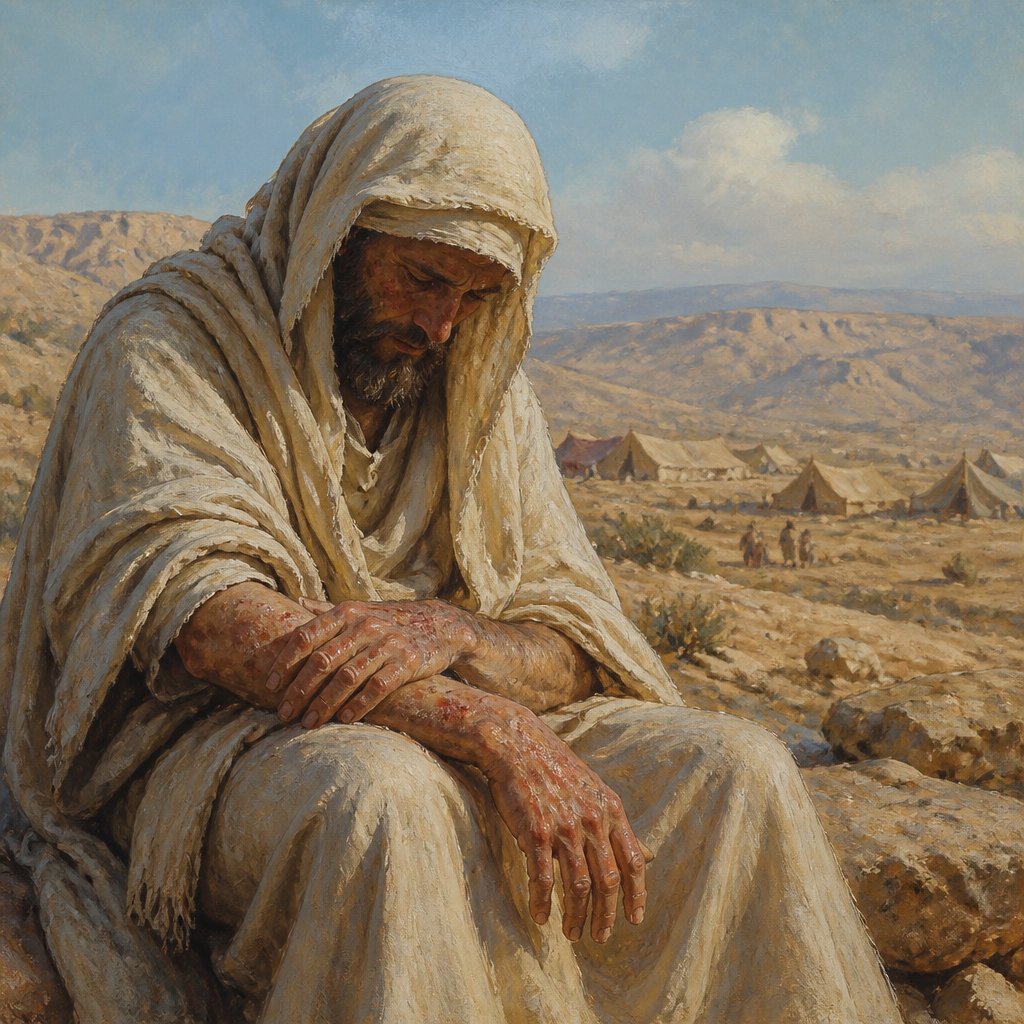
Deuteronomy 28:27 (KJV) reads, "The Lord will smite thee with the botch of Egypt, and with the emerods, and with the scab, and with the itch, whereof thou canst not be healed."
This verse is part of a larger passage in the book of Deuteronomy where Moses is delivering his final speeches to the Israelites before they enter the Promised Land. The passage in Deuteronomy 28 is commonly referred to as the "Blessings and Curses" passage, where Moses outlines the blessings the people will receive if they obey God's commandments and the curses they will experience if they disobey.
In this particular verse, Moses is warning the Israelites about the consequences of disobedience. The Lord warns that if they turn away from Him, He will afflict them with various diseases and ailments. The botch of Egypt refers to a painful boil or ulcer, while emerods, scab, and itch also denote various skin diseases. In ancient times, these illnesses were often seen as divine punishments for sinful behavior. The imagery of incurable sicknesses highlight the severity of God's judgment against disobedience.
The use of the word "smite" in the verse emphasizes the idea of a powerful and direct punishment from God. It conveys a sense of divine retribution and the seriousness of the consequences for turning away from God's commands.
The broader context of Deuteronomy 28 reveals that these afflictions are just a small part of the negative consequences that the Israelites will face if they do not obey God's laws. The curses include agricultural failure, military defeat, exile, and hardship, all of which are intended to drive home the message that disobeying God will result in severe consequences.
The themes of obedience, consequences, and divine judgment are central to the message of Deuteronomy 28:27. It serves as a warning to the Israelites, emphasizing the importance of following God's commandments and the severe repercussions of disobedience. The verse underscores the belief that God is just and will hold His people accountable for their actions.
Symbolically, the diseases mentioned in the verse can be seen as representing the spiritual and moral decay that occurs when one turns away from God. They serve as a reminder that disobedience leads to suffering and affliction, both physically and spiritually.
From a Christian perspective, this verse can also be interpreted as a reminder of the importance of obedience and the consequences of sin. It underscores the belief in divine justice and the idea that God holds His people accountable for their actions. It serves as a call to repentance and a reminder of the need to seek forgiveness and restoration in God.
In conclusion, Deuteronomy 28:27 serves as a powerful warning about the consequences of disobedience and the importance of following God's commandments. It highlights the themes of obedience, divine judgment, and consequences, and serves as a reminder of the need for repentance and forgiveness. Its symbolism of divine punishment and spiritual decay reinforces the message that turning away from God leads to suffering and affliction. Ultimately, it offers a profound reminder of the importance of remaining faithful to God and the serious repercussions of disobedience.
Get our apps


Artwork for Deuteronomy 28:27

Deuteronomy 28:27 - "The LORD will smite thee with the botch of Egypt, and with the emerods, and with the scab, and with the itch, whereof thou canst not be healed."
"The LORD will smite thee with the botch of Egypt, and with the emerods, and with the scab, and with the itch, whereof thou canst not be healed." - Deuteronomy 28:27

Deuteronomy 28:28 - "The LORD shall smite thee with madness, and blindness, and astonishment of heart:"

Proverbs 17:27-28

Proverbs 17:27-28

Exodus 23:27-28

Proverbs 17:27-28

Luke 13:28-27

Luke 13:28-27

Luke 13:28-27

Deuteronomy 28:5 - "Blessed shall be thy basket and thy store."

Deuteronomy 28:17 - "Cursed shall be thy basket and thy store."

Deuteronomy 27:11 - "¶ And Moses charged the people the same day, saying,"

Deuteronomy 32:28 - "For they are a nation void of counsel, neither is there any understanding in them."

"The LORD shall smite thee with madness, and blindness, and astonishment of heart:" - Deuteronomy 28:28

Deuteronomy 28:16 - "Cursed shalt thou be in the city, and cursed shalt thou be in the field."

Deuteronomy 28:3 - "Blessed shalt thou be in the city, and blessed shalt thou be in the field."

Matthew 27:28 - "And they stripped him, and put on him a scarlet robe."

Ezekiel 27:28 - "The suburbs shall shake at the sound of the cry of thy pilots."

Deuteronomy 28:42 - "All thy trees and fruit of thy land shall the locust consume."

Deuteronomy 28:46 - "And they shall be upon thee for a sign and for a wonder, and upon thy seed for ever."

Deuteronomy 27:14 - "¶ And the Levites shall speak, and say unto all the men of Israel with a loud voice,"

Deuteronomy 27:8 - "And thou shalt write upon the stones all the words of this law very plainly."

Deuteronomy 22:27 - "For he found her in the field, and the betrothed damsel cried, and there was none to save her."

Job 28:27 - "Then did he see it, and declare it; he prepared it, yea, and searched it out."

Deuteronomy 29:27 - "And the anger of the LORD was kindled against this land, to bring upon it all the curses that are written in this book:"

Deuteronomy 27:21 - "Cursed be he that lieth with any manner of beast. And all the people shall say, Amen."

Deuteronomy 27:17 - "Cursed be he that removeth his neighbour's landmark. And all the people shall say, Amen."

Deuteronomy 27:23 - "Cursed be he that lieth with his mother in law. And all the people shall say, Amen."

Deuteronomy 27:24 - "Cursed be he that smiteth his neighbour secretly. And all the people shall say, Amen."