What does Deuteronomy 29:12-13 mean?
“That thou shouldest enter into covenant with the LORD thy God, and into his oath, which the LORD thy God maketh with thee this day: That he may establish thee to day for a people unto himself, and that he may be unto thee a God, as he hath said unto thee, and as he hath sworn unto thy fathers, to Abraham, to Isaac, and to Jacob.” — Deuteronomy 29:12-13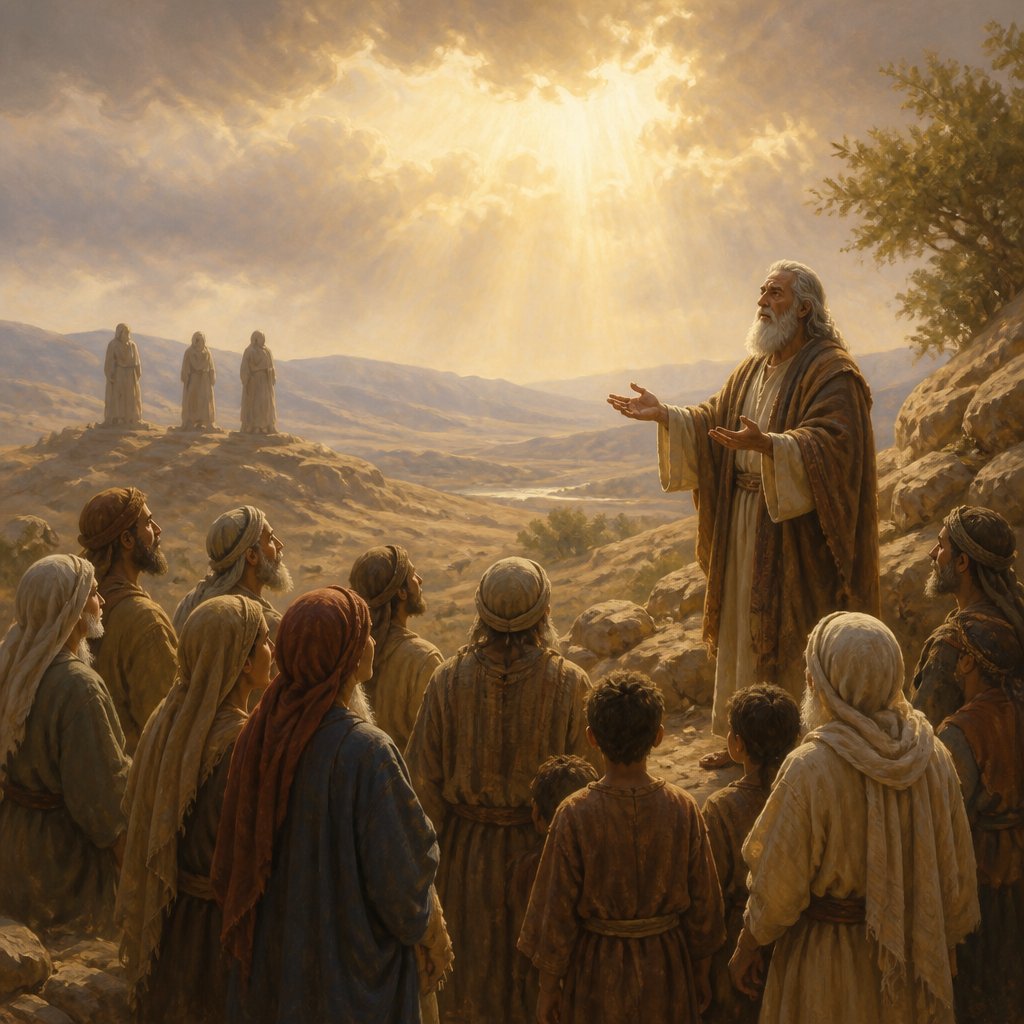
Deuteronomy 29:12-13 in the King James Version (KJV) reads, "That thou shouldest enter into covenant with the Lord thy God, and into his oath, which the Lord thy God maketh with thee this day: That he may establish thee to day for a people unto himself, and that he may be unto thee a God, as he hath said unto thee, and as he hath sworn unto thy fathers, to Abraham, to Isaac, and to Jacob."
This passage from the book of Deuteronomy is a continuation of Moses' final sermon to the Israelites before they enter the Promised Land. Here, he reminds the people of the covenant they are to enter into with the Lord their God, and the significance of this covenant.
The theme of covenant is central to these verses. A covenant is a solemn agreement or promise between two parties, in this case, between God and His chosen people, the Israelites. The covenant is a binding agreement that outlines the responsibilities and privileges of both parties. In this passage, the covenant is presented as a way for the Israelites to establish a close and committed relationship with God.
The context of these verses is important for understanding their significance. Throughout the book of Deuteronomy, Moses has been reminding the Israelites of God's faithfulness to them, and their own responsibility to remain faithful to God. The Israelites had experienced God's mighty acts of deliverance and provision, and now they were about to enter the Promised Land. In this crucial moment, Moses emphasizes the importance of entering into a covenant with God as a means of solidifying their relationship with Him.
The passage also carries symbolic significance. By entering into a covenant with God, the Israelites are acknowledging His authority and lordship over their lives. In return, God promises to establish them as His people and to be their God. This exchange of promises signifies a deep and intimate relationship between God and His people.
Furthermore, the mention of God's oath and His sworn promises to the fathers - Abraham, Isaac, and Jacob - adds weight to the covenant. It serves as a reminder to the Israelites of God's faithfulness to His word and His enduring commitment to His people throughout history. The inclusion of the patriarchs also symbolizes the continuity of God's promises from generation to generation.
Overall, Deuteronomy 29:12-13 conveys the profound significance of the covenant between God and His people. It underscores the importance of faithfulness, obedience, and commitment in the relationship with God. The covenant serves as a framework for the Israelites to live in accordance with God's will and to experience His blessings and protection.
In a broader theological context, the concept of covenant is foundational to the Christian faith. The New Testament portrays Jesus Christ as the mediator of a new covenant between God and humanity, based on His sacrificial death and resurrection. This covenant offers redemption, forgiveness, and eternal life to all who believe in Him. Thus, the themes and principles found in Deuteronomy 29:12-13 continue to hold profound spiritual significance for believers today.
In conclusion, Deuteronomy 29:12-13 conveys the powerful message of the covenant between God and His people. It emphasizes the importance of faithfulness, obedience, and commitment in the relationship with God, and serves as a reminder of His faithfulness and enduring promises. These verses continue to hold deep theological and spiritual significance, pointing to the redemptive work of Jesus Christ and the enduring covenant relationship between God and His people.
Get our apps


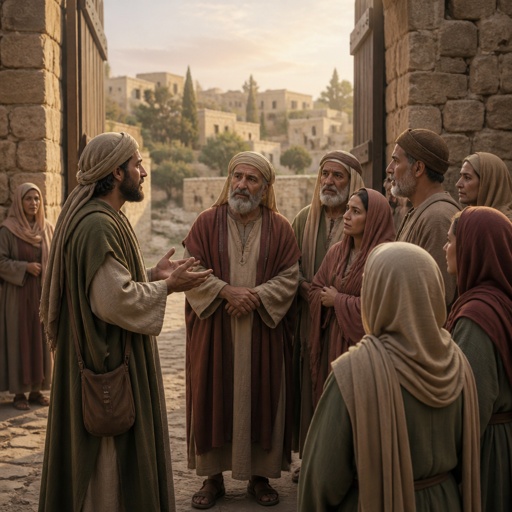
Artwork for Deuteronomy 29:12-13

Deuteronomy 29:12-13 - "That you may enter into the covenant with the Lord your God, and into His oath, which the Lord your God makes with you today, that He may establish you today as a people for Himself, and that He may be God to you, just as He has spoken to you, and just as He has sworn to your fathers, to Abraham, Isaac, and Jacob."
"That you may enter into the covenant with the Lord your God, and into His oath, which the Lord your God makes with you today, that He may establish you today as a people for Himself, and that He may be God to you, just as He has spoken to you, and just as He has sworn to your fathers, to Abraham, Isaac, and Jacob." - Deuteronomy 29:12-13

Deuteronomy 29:12 - "That thou shouldest enter into covenant with the LORD thy God, and into his oath, which the LORD thy God maketh with thee this day:"

Deuteronomy 12:13 - "Take heed to thyself that thou offer not thy burnt offerings in every place that thou seest:"

Deuteronomy 12:29 - "¶ When the LORD thy God shall cut off the nations from before thee, whither thou goest to possess them, and thou succeedest them, and dwellest in their land;"

Deuteronomy 13:12 - "¶ If thou shalt hear say in one of thy cities, which the LORD thy God hath given thee to dwell there, saying,"

Deuteronomy 29:13 - "That he may establish thee to day for a people unto himself, and that he may be unto thee a God, as he hath said unto thee, and as he hath sworn unto thy fathers, to Abraham, to Isaac, and to Jacob."

Jeremiah 29:12-13 - "Then you will call on me and come and pray to me, and I will listen to you. You will seek me and find me when you seek me with all your heart."
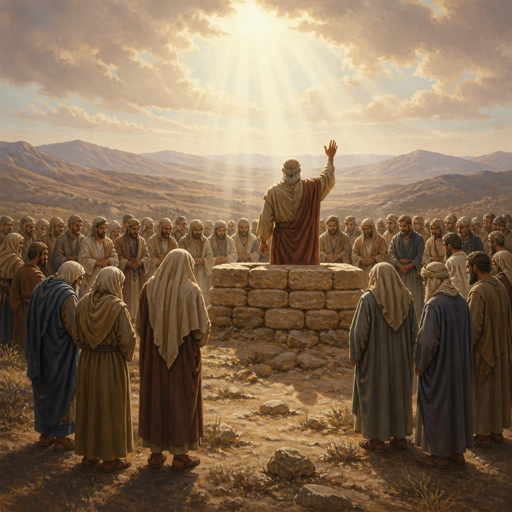
"That thou shouldest enter into covenant with the LORD thy God, and into his oath, which the LORD thy God maketh with thee this day:" - Deuteronomy 29:12

Deuteronomy 3:29 - "So we abode in the valley over against Beth-peor."

Deuteronomy 1:29 - "Then I said unto you, Dread not, neither be afraid of them."

Deuteronomy 29:14 - "Neither with you only do I make this covenant and this oath;"
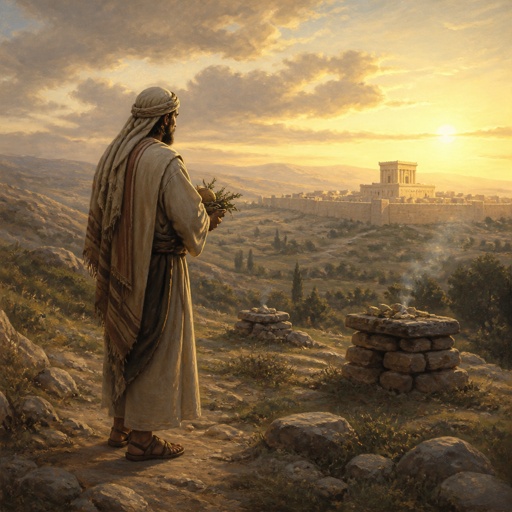
"Take heed to thyself that thou offer not thy burnt offerings in every place that thou seest:" - Deuteronomy 12:13

Deuteronomy 32:29 - "O that they were wise, that they understood this, that they would consider their latter end!"

Jeremiah 29:11-13

Jeremiah 29:11-13

Jeremiah 29:11-13

Jeremiah 29:11-13

Deuteronomy 29:29 - "The secret things belong unto the LORD our God: but those things which are revealed belong unto us and to our children for ever, that we may do all the words of this law."

Deuteronomy 29:3 - "The great temptations which thine eyes have seen, the signs, and those great miracles:"

Deuteronomy 29:27 - "And the anger of the LORD was kindled against this land, to bring upon it all the curses that are written in this book:"

Isaiah 29:12

Deuteronomy 29:8 - "And we took their land, and gave it for an inheritance unto the Reubenites, and to the Gadites, and to the half tribe of Manasseh."

Deuteronomy 29:9 - "Keep therefore the words of this covenant, and do them, that ye may prosper in all that ye do."

Deuteronomy 29:4 - "Yet the LORD hath not given you an heart to perceive, and eyes to see, and ears to hear, unto this day."

Deuteronomy 29:17 - "And ye have seen their abominations, and their idols, wood and stone, silver and gold, which were among them:)"

Deuteronomy 29:28 - "And the LORD rooted them out of their land in anger, and in wrath, and in great indignation, and cast them into another land, as it is this day."

Hebrews 12:29 - "For our God is a consuming fire."

Deuteronomy 29:15 - "But with him that standeth here with us this day before the LORD our God, and also with him that is not here with us this day:"
"¶ If thou shalt hear say in one of thy cities, which the LORD thy God hath given thee to dwell there, saying," - Deuteronomy 13:12