What does Deuteronomy 2:1 mean?
“Then we turned, and took our journey into the wilderness by the way of the Red sea, as the LORD spake unto me: and we compassed mount Seir many days.” — Deuteronomy 2:1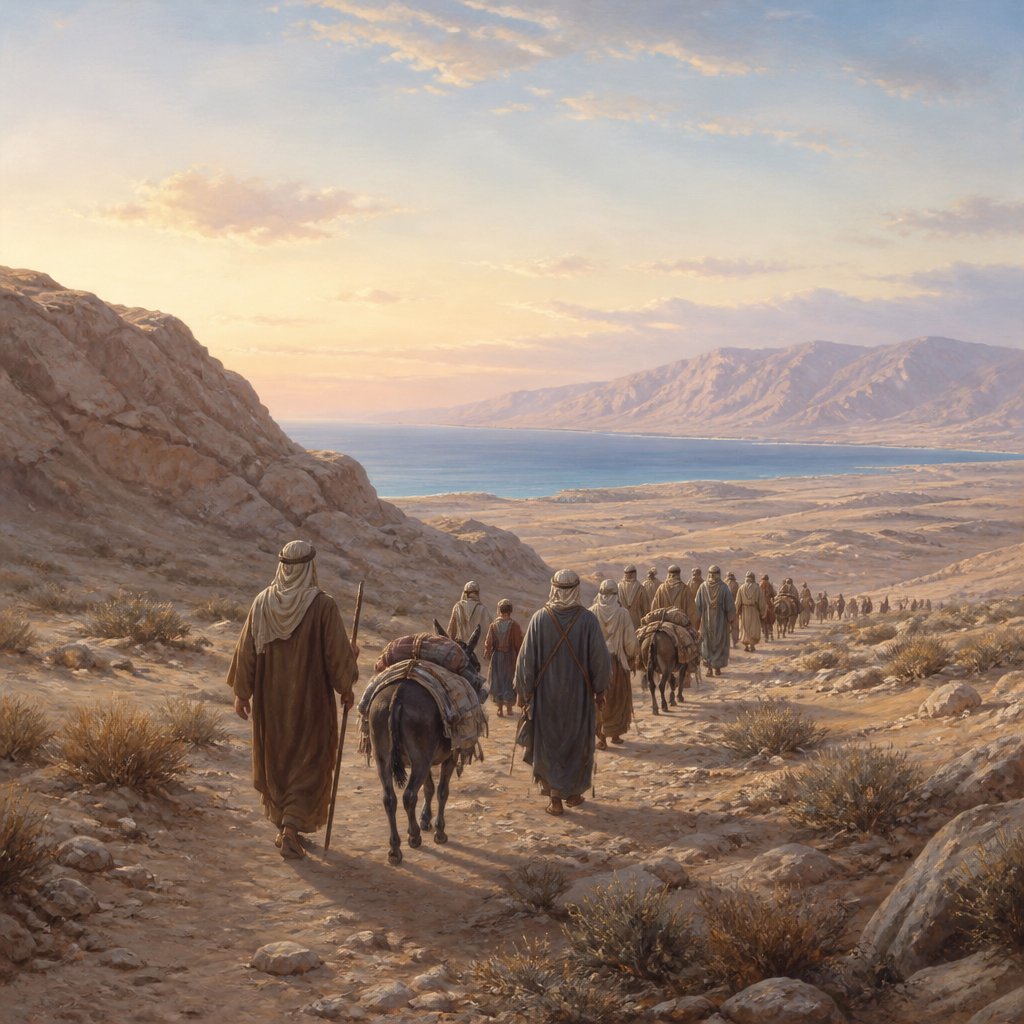
Deuteronomy 2:1 (KJV): "Then we turned, and took our journey into the wilderness by the way of the Red sea, as the Lord spake unto me: and we compassed mount Seir many days."
The book of Deuteronomy is the final book of the Torah and is considered the last words of Moses to the Israelites before they enter the Promised Land. In Deuteronomy 2:1, Moses recounts the journey of the Israelites through the wilderness, with the specific mention of their travels around Mount Seir. This verse highlights the Israelites' obedience to the Lord's instructions and their willingness to follow His guidance, even in the midst of challenging circumstances.
One of the key themes of Deuteronomy 2:1 is obedience to God. The verse emphasizes the importance of following the Lord's direction and trusting in His wisdom. The Israelites turned and journeyed into the wilderness as the Lord had spoken to Moses, demonstrating their faith in God's leading. This theme of obedience is a recurring motif throughout the book of Deuteronomy, with Moses reminding the Israelites of the consequences of disobedience and the blessings that come from following God's commandments.
The context of Deuteronomy 2:1 is the Israelites' journey from Egypt to the Promised Land. After their deliverance from slavery in Egypt, the Israelites spent forty years wandering in the wilderness as a consequence of their disobedience and lack of faith in God. During this time, God provided for them and guided them through the leadership of Moses, ultimately preparing them to enter the land He had promised to their ancestors. The mention of Mount Seir in this verse is significant as it was the territory of the descendants of Esau, the brother of Jacob (Israel), and represents a symbolic boundary before the Israelites' entry into the Promised Land.
The symbolism of the journey through the wilderness and around Mount Seir can be interpreted in various ways. On a literal level, it represents the physical journey of the Israelites through the harsh and desolate wilderness, relying on God's provision and protection. Symbolically, the wilderness can also represent a period of testing and refinement for the Israelites, as they learned to trust in God's faithfulness and obey His commands. The mention of Mount Seir, the territory of the Edomites, may symbolize the obstacles and challenges the Israelites faced as they approached the Promised Land, serving as a reminder of the need to rely on God's strength and guidance.
Furthermore, the journey through the wilderness and around Mount Seir serves as a historical and spiritual lesson for the Israelites and for future generations. It reinforces the importance of trusting in God's leading and remaining faithful to His covenant, despite the difficulties and uncertainties they may face. The verse also highlights the sovereignty of God and His faithfulness to fulfill His promises, as He guided the Israelites through their journey and brought them to the land He had prepared for them.
In conclusion, Deuteronomy 2:1 emphasizes the themes of obedience, trust, and God's faithfulness. It serves as a reminder of the importance of following God's guidance and remaining faithful to His covenant, even in the midst of challenging circumstances. The context of the verse within the Israelites' journey through the wilderness and the symbolism of their travels around Mount Seir provide a rich and profound message about the nature of God's relationship with His people and the significance of trusting in His providence.
Get our apps


Artwork for Deuteronomy 2:1

Deuteronomy 2:1 - "Then we turned, and took our journey into the wilderness by the way of the Red sea, as the LORD spake unto me: and we compassed mount Seir many days."
"Then we turned, and took our journey into the wilderness by the way of the Red sea, as the LORD spake unto me: and we compassed mount Seir many days." - Deuteronomy 2:1

Deuteronomy 1:2 - "(There are eleven days' journey from Horeb by the way of mount Seir unto Kadesh-barnea.)"

Deuteronomy 2:2 - "And the LORD spake unto me, saying,"

Deuteronomy 32:41
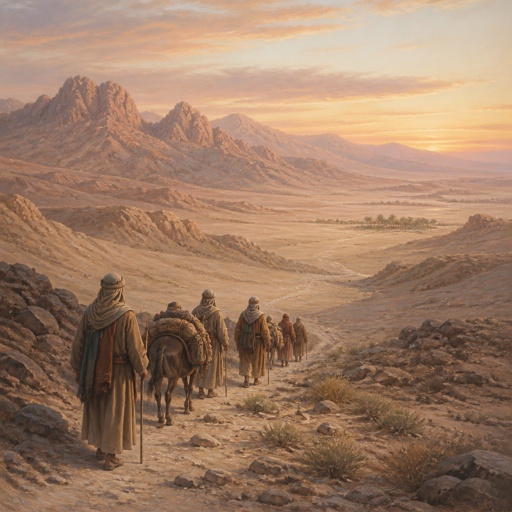
"(There are eleven days' journey from Horeb by the way of mount Seir unto Kadesh-barnea.)" - Deuteronomy 1:2

Deuteronomy 32:43

Deuteronomy 2:17 - "That the LORD spake unto me, saying,"

"And the LORD spake unto me, saying," - Deuteronomy 2:2

Deuteronomy 5:2 - "The LORD our God made a covenant with us in Horeb."

Deuteronomy 2:18 - "Thou art to pass over through Ar, the coast of Moab, this day:"

Deuteronomy 2:3 - "Ye have compassed this mountain long enough: turn you northward."

Deuteronomy 34:1-4 – Moses views the Promised Land from Mount Nebo.

Deuteronomy 34:1-4 – Moses views the Promised Land from Mount Nebo.

Deuteronomy 34:1-4 – Moses views the Promised Land from Mount Nebo.

Deuteronomy 2:10 - "The Emims dwelt therein in times past, a people great, and many, and tall, as the Anakims;"

Deuteronomy 2:11 - "Which also were accounted giants, as the Anakims; but the Moabites call them Emims."
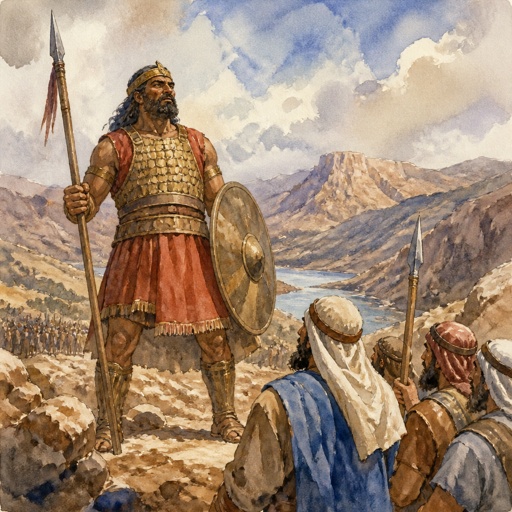
King Og Deuteronomy 3:1-11

Deuteronomy 31:1 - "And Moses went and spake these words unto all Israel."

Deuteronomy 1:34 - "And the LORD heard the voice of your words, and was wroth, and sware, saying,"

Deuteronomy 1:29 - "Then I said unto you, Dread not, neither be afraid of them."

Deuteronomy 34:1-4 – Moses views the Promised Land from Mount Nebo.

Deuteronomy 34:1-4 – Moses views the Promised Land from Mount Nebo.

Deuteronomy 15:1 - "At the end of every seven years thou shalt make a release."

Deuteronomy 1:32 - "Yet in this thing ye did not believe the LORD your God,"

Deuteronomy 34:1-4 – Moses views the Promised Land from Mount Nebo.

Deuteronomy 34:1-4 – Moses views the Promised Land from Mount Nebo.

Deuteronomy 34:2 - "And all Naphtali, and the land of Ephraim, and Manasseh, and all the land of Judah, unto the utmost sea,"

Deuteronomy 2:32 - "Then Sihon came out against us, he and all his people, to fight at Jahaz."

Deuteronomy 1:5 - "On this side Jordan, in the land of Moab, began Moses to declare this law, saying,"