What does Deuteronomy 2:34 mean?
“And we took all his cities at that time, and utterly destroyed the men, and the women, and the little ones, of every city, we left none to remain:” — Deuteronomy 2:34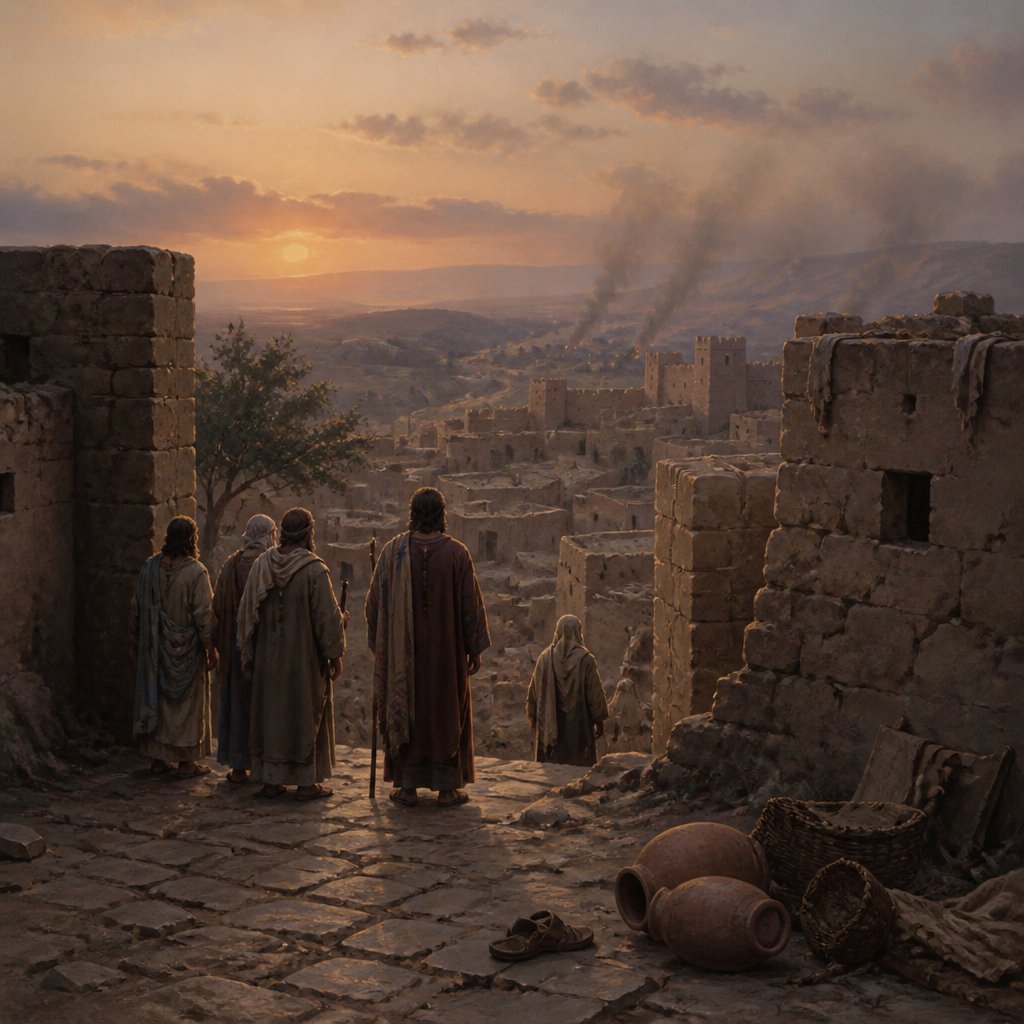
Deuteronomy 2:34 in the King James Version reads, "And we took all his cities at that time, and utterly destroyed the men, and the women, and the little ones, of every city, we left none to remain."
This verse is part of the Old Testament, specifically the book of Deuteronomy, which is the fifth book of the Bible and is considered one of the historical books. It is attributed to Moses and is essentially presented as his farewell address to the Israelites before they enter the Promised Land. The book is a review of the history of the Israelites and a reaffirmation of the laws given in the previous books of the Torah.
The verse describes a brutal and violent scene in which the Israelites completely annihilate the people of the cities they conquer. On the surface, it may seem to portray the Israelites as merciless and unforgiving conquerors. However, a deeper analysis reveals several themes, contexts, and symbolisms that shed light on the meaning of this verse.
The theme of divine command is prominent in this verse. The Israelites believed that they were carrying out the will of God by destroying the inhabitants of the cities they conquered. This was in keeping with the concept of "holy war" prevalent in the ancient Near East, where the Israelites believed that God was fighting on their behalf. The conquest of Canaan was seen as a divine mandate and the destruction of the Canaanites as a necessary part of God's plan for the Israelites.
The verse also reflects the theme of covenant and obedience. Throughout the book of Deuteronomy, there are repeated exhortations for the Israelites to obey the commands of God. The destruction of the Canaanite cities can be seen as a demonstration of the Israelites' obedience to God's commands. By carrying out these acts of destruction, the Israelites were fulfilling their part of the covenant with God.
Another important theme in this verse is that of the conquest of the Promised Land. The Israelites were in the process of taking possession of the land that God had promised to their forefathers, Abraham, Isaac, and Jacob. The destruction of the Canaanite cities was an essential part of this process, as it allowed the Israelites to establish themselves in the land that had been promised to them.
It is important to understand the historical and cultural context in which this verse is situated. The ancient Near East was a place of constant warfare, and the Israelites were just one of many peoples engaged in conflicts over land and resources. The destruction of enemy cities was a common practice in this context, and the Israelites' actions were not necessarily exceptional by the standards of the time.
Symbolically, the destruction of the Canaanite cities can be seen as a metaphor for the spiritual warfare that the Israelites believed they were engaged in. The Canaanites were seen as idolatrous and morally corrupt, and the Israelites believed that they were purifying the land and themselves by removing this influence from their midst. It can be interpreted as a symbolic purification of the soul, as the Israelites sought to establish a society based on God's values and laws.
In conclusion, Deuteronomy 2:34 is a verse that reflects the complex interplay of divine command, covenant, obedience, conquest, and symbolic significance within the context of ancient Israelite culture. While on the surface it may seem to depict a harsh and merciless action, a deeper understanding of the themes, context, and symbolism at play reveals the verse as a reflection of the Israelites' understanding of their relationship with God and their place in the world.
Get our apps


Artwork for Deuteronomy 2:34

Deuteronomy 2:34 - "And we took all his cities at that time, and utterly destroyed the men, and the women, and the little ones, of every city, we left none to remain:"
"And we took all his cities at that time, and utterly destroyed the men, and the women, and the little ones, of every city, we left none to remain:" - Deuteronomy 2:34

Deuteronomy 34:2 - "And all Naphtali, and the land of Ephraim, and Manasseh, and all the land of Judah, unto the utmost sea,"

Deuteronomy 34:5-6
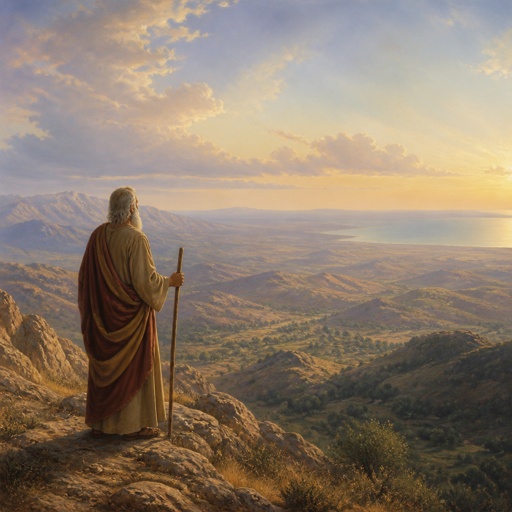
"And all Naphtali, and the land of Ephraim, and Manasseh, and all the land of Judah, unto the utmost sea," - Deuteronomy 34:2

Deuteronomy 34:1-4 – Moses views the Promised Land from Mount Nebo.

Deuteronomy 34:1-4 – Moses views the Promised Land from Mount Nebo.

Deuteronomy 34:1-4 – Moses views the Promised Land from Mount Nebo.

Deuteronomy 1:34 - "And the LORD heard the voice of your words, and was wroth, and sware, saying,"

Deuteronomy 34:1-4 – Moses views the Promised Land from Mount Nebo.

Deuteronomy 34:1-4 – Moses views the Promised Land from Mount Nebo.

Deuteronomy 34:3 - "And the south, and the plain of the valley of Jericho, the city of palm trees, unto Zoar."

Deuteronomy 34:1-4 – Moses views the Promised Land from Mount Nebo.

Deuteronomy 34:1-4 – Moses views the Promised Land from Mount Nebo.

Deuteronomy 32:34 - "Is not this laid up in store with me, and sealed up among my treasures?"

Deuteronomy 34:5 - "¶ So Moses the servant of the LORD died there in the land of Moab, according to the word of the LORD."

Deuteronomy 34:10 - "¶ And there arose not a prophet since in Israel like unto Moses, whom the LORD knew face to face,"

Deuteronomy 28:34 - "So that thou shalt be mad for the sight of thine eyes which thou shalt see."

Deuteronomy 34:12 - "And in all that mighty hand, and in all the great terror which Moses shewed in the sight of all Israel."

Deuteronomy 34:8 - "¶ And the children of Israel wept for Moses in the plains of Moab thirty days: so the days of weeping and mourning for Moses were ended."

Deuteronomy 34:7 - "¶ And Moses was an hundred and twenty years old when he died: his eye was not dim, nor his natural force abated."

Deuteronomy 34:6 - "And he buried him in a valley in the land of Moab, over against Beth-peor: but no man knoweth of his sepulchre unto this day."

Deuteronomy 34:11 - "In all the signs and the wonders, which the LORD sent him to do in the land of Egypt to Pharaoh, and to all his servants, and to all his land,"
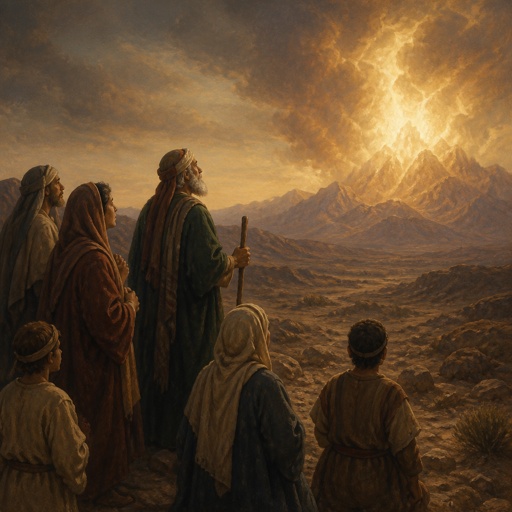
"And the LORD heard the voice of your words, and was wroth, and sware, saying," - Deuteronomy 1:34

"Is not this laid up in store with me, and sealed up among my treasures?" - Deuteronomy 32:34
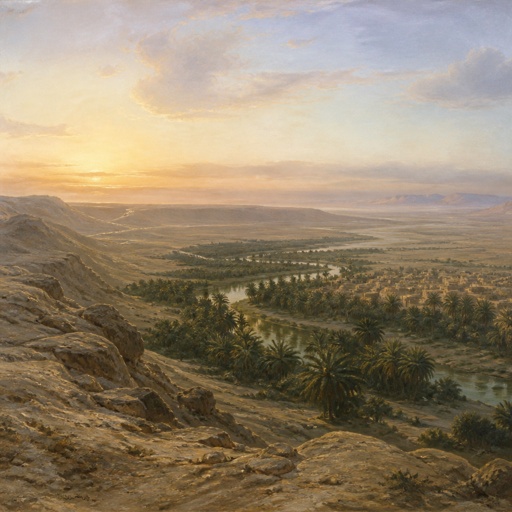
"And the south, and the plain of the valley of Jericho, the city of palm trees, unto Zoar." - Deuteronomy 34:3

Deuteronomy 28:34 - "So that thou shalt be mad for the sight of thine eyes which thou shalt see."

Deuteronomy 34:9 - "¶ And Joshua the son of Nun was full of the spirit of wisdom; for Moses had laid his hands upon him: and the children of Israel hearkened unto him, and did as the LORD commanded Moses."

Deuteronomy 34:1 - "And Moses went up from the plains of Moab unto the mountain of Nebo, to the top of Pisgah, that is over against Jericho. And the LORD shewed him all the land of Gilead, unto Dan,"

2 Chronicles 34:19