What does Deuteronomy 2:4 mean?
“And command thou the people, saying, Ye are to pass through the coast of your brethren the children of Esau, which dwell in Seir; and they shall be afraid of you: take ye good heed unto yourselves therefore:” — Deuteronomy 2:4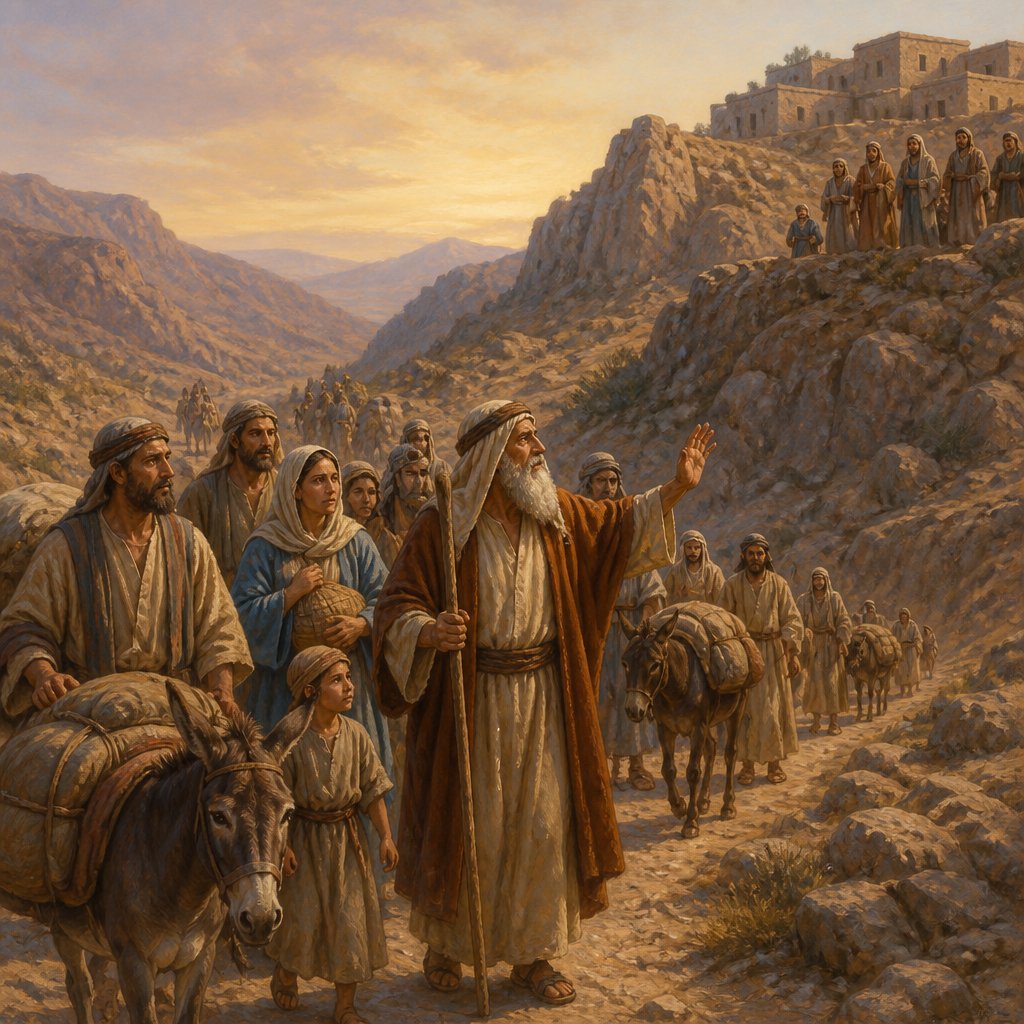
Deuteronomy 2:4 in the King James Version reads, "And command thou the people, saying, Ye are to pass through the coast of your brethren the children of Esau, which dwell in Seir; and they shall be afraid of you: take ye good heed unto yourselves therefore."
The book of Deuteronomy is the fifth book of the Hebrew Bible and is part of the Torah, the first five books of the Old Testament. It is a record of the final words of Moses to the Israelites before they enter the promised land. In this particular verse, Moses is giving the Israelites instructions for their journey through the land belonging to the descendants of Esau.
The context of this verse is significant in understanding its meaning. The Israelites had been wandering in the wilderness for 40 years, and they were finally on the verge of entering the land that God had promised to their ancestors. This verse comes at a critical juncture in their journey as they prepare to encounter the people who already inhabit the land.
The theme of this verse is one of encouragement and assurance. The Israelites were about to confront the descendants of Esau, who were more numerous and powerful than they were. However, Moses tells them that the people of Esau will be afraid of them. This is a reminder to the Israelites that God is with them and will give them victory over their enemies. It also serves as a warning for them to be cautious and to rely on God's guidance as they navigate through potentially hostile territory.
The symbolism in this verse is multifaceted. Firstly, the land of Seir, inhabited by the descendants of Esau, represents a significant obstacle for the Israelites on their journey to the promised land. It is a physical and spiritual barrier that they must overcome with God's help. The fear that the people of Esau will have towards the Israelites symbolizes the power and protection that God provides for his chosen people. It also symbolizes the fulfillment of God's promise to give the land to the Israelites, despite the initial fear and resistance of its current inhabitants.
Another layer of symbolism in this verse lies in the idea of brotherhood. The Israelites and the descendants of Esau were related through their shared ancestor, Isaac. Despite this familial connection, there was a division and tension between them. The command for the Israelites to pass through the coast of their brethren serves as a reminder of the importance of unity and reconciliation, even in the face of potential conflict.
In a broader sense, this verse carries a message of trust and obedience. The Israelites were being instructed to follow specific commands as they journeyed through unfamiliar territory. This serves as a reminder for believers to trust in God's guidance and to obey his commands, even when faced with uncertainty and opposition.
In conclusion, Deuteronomy 2:4 serves as a powerful reminder of God's faithfulness and provision for his people as they journey towards their promised inheritance. It also emphasizes the importance of trust, obedience, and unity among God's chosen people. The verse carries timeless themes and symbolism that continue to resonate with believers today, inspiring them to rely on God's guidance and to approach challenges with faith and courage.
Get our apps


Artwork for Deuteronomy 2:4

Deuteronomy 2:4 - "And command thou the people, saying, Ye are to pass through the coast of your brethren the children of Esau, which dwell in Seir; and they shall be afraid of you: take ye good heed unto yourselves therefore:"
"And command thou the people, saying, Ye are to pass through the coast of your brethren the children of Esau, which dwell in Seir; and they shall be afraid of you: take ye good heed unto yourselves therefore:" - Deuteronomy 2:4

Deuteronomy 26:4-10

Deuteronomy 26:4-10

Deuteronomy 4:2 - "Ye shall not add unto the word which I command you, neither shall ye diminish ought from it, that ye may keep the commandments of the LORD your God which I command you."

Deuteronomy 4:4 - "But ye that did cleave unto the LORD your God are alive every one of you this day."

Deuteronomy 34:1-4 – Moses views the Promised Land from Mount Nebo.

Deuteronomy 34:1-4 – Moses views the Promised Land from Mount Nebo.

Deuteronomy 34:1-4 – Moses views the Promised Land from Mount Nebo.

Deuteronomy 2:2 - "And the LORD spake unto me, saying,"

Deuteronomy 4:44 - "¶ And this is the law which Moses set before the children of Israel:"

Deuteronomy 33:4 - "Moses commanded us a law, even the inheritance of the congregation of Jacob."

Deuteronomy 12:4 - "Ye shall not do so unto the LORD your God."

Deuteronomy 34:1-4 – Moses views the Promised Land from Mount Nebo.

Deuteronomy 6:4 - "Hear, O Israel: The LORD our God is one LORD:"

Deuteronomy 34:1-4 – Moses views the Promised Land from Mount Nebo.

Deuteronomy 4:24 - "For the LORD thy God is a consuming fire, even a jealous God."

Deuteronomy 34:1-4 – Moses views the Promised Land from Mount Nebo.

Deuteronomy 34:1-4 – Moses views the Promised Land from Mount Nebo.

Deuteronomy 4:41 - "¶ Then Moses severed three cities on this side Jordan toward the sunrising;"

Deuteronomy 14:4 - "These are the beasts which ye shall eat: the ox, the sheep, and the goat,"

Deuteronomy 25:4 - "¶ Thou shalt not muzzle the ox when he treadeth out the corn."

Deuteronomy 5:4 - "The LORD talked with you face to face in the mount out of the midst of the fire,"

Deuteronomy 4:17 - "The likeness of any beast that is on the earth, the likeness of any winged fowl that flieth in the air,"

Deuteronomy 4:18 - "The likeness of any thing that creepeth on the ground, the likeness of any fish that is in the waters beneath the earth:"

Deuteronomy 4:48 - "From Aroer, which is by the bank of the river Arnon, even unto mount Sion, which is Hermon,"

Deuteronomy 2:17 - "That the LORD spake unto me, saying,"

Deuteronomy 4:49 - "And all the plain on this side Jordan eastward, even unto the sea of the plain, under the springs of Pisgah."

Deuteronomy 4:43 - "Namely, Bezer in the wilderness, in the plain country, of the Reubenites; and Ramoth in Gilead, of the Gadites; and Golan in Bashan, of the Manassites."

Deuteronomy 20:4 - "For the LORD your God is he that goeth with you, to fight for you against your enemies, to save you."