What does Deuteronomy 30:13 mean?
“Neither is it beyond the sea, that thou shouldest say, Who shall go over the sea for us, and bring it unto us, that we may hear it, and do it?” — Deuteronomy 30:13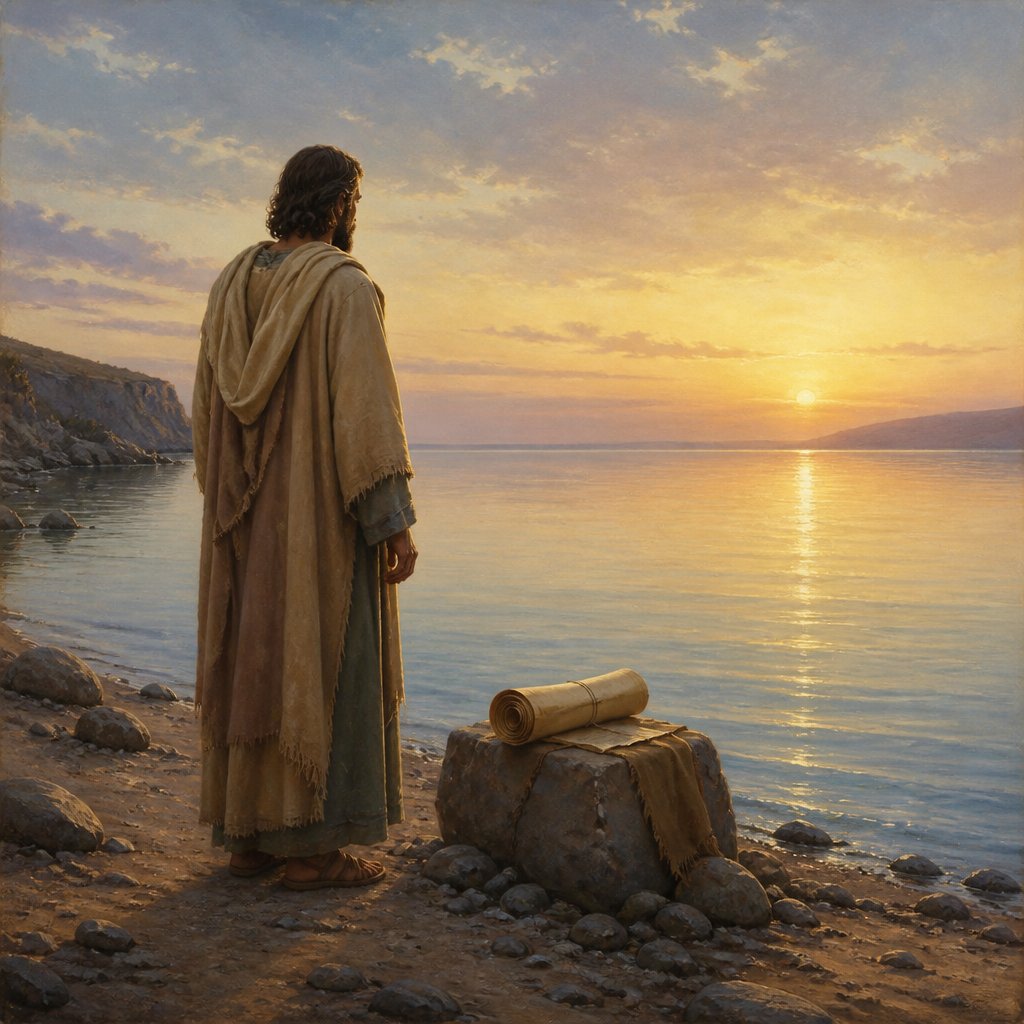
Deuteronomy 30:13 in the King James Version of the Bible reads, "Neither is it beyond the sea, that thou shouldest say, Who shall go over the sea for us, and bring it unto us, that we may hear it, and do it?"
This verse is found within the book of Deuteronomy, which is the fifth book of the Hebrew Bible and the Christian Old Testament. It is part of the Torah, which is the central reference for the religious, ethical, and social principles in Judaism. Deuteronomy is traditionally ascribed to Moses, who is believed to have written the first five books of the Bible. The book of Deuteronomy is a collection of sermons delivered by Moses to the Israelites, in which he reiterates the laws and commandments that God had given to them.
In the context of the verse, Moses is reminding the Israelites of their commitment to follow God's laws and commands. He is emphasizing that God's word is not distant or unattainable, but rather it is accessible and within their reach. The imagery of "beyond the sea" conveys a sense of distance and difficulty in obtaining something, but Moses is assuring the Israelites that the word of God is not far off or out of their reach.
The verse communicates the idea that the word of God is near and accessible to those who seek it. It encourages the Israelites to internalize and obey God's commands rather than making excuses or procrastinating. The phrase "that we may hear it, and do it" emphasizes the importance of not only listening to God's word but also putting it into action through obedience and righteous living.
One of the key themes in this verse is the accessibility and relevance of God's word. It emphasizes that the Israelites should not use distance or difficulty as excuses for not obeying God's commands. Instead, they are called to recognize that God's word is readily available and that they are accountable for living according to it.
Furthermore, the verse conveys the concept of personal responsibility and active engagement with God's word. It challenges the Israelites to take ownership of their faith and not rely on others to bring God's word to them. They are encouraged to seek, listen, and act upon God's commands in their daily lives.
Symbolically, the sea represents barriers and obstacles that may hinder the Israelites from receiving God's word. However, the verse assures them that these barriers are not insurmountable, and God's word can still reach them. It conveys the idea that God's word transcends geographical, cultural, and personal boundaries, and it is relevant to all people regardless of their circumstances.
In a broader spiritual sense, this verse can also be interpreted as a reminder of the universal accessibility and relevance of God's word. It encourages believers to seek and internalize the teachings of the Bible and apply them to their lives. It reminds them that God's word is not distant or unattainable, but rather it is within their grasp and can profoundly impact their faith and conduct.
In conclusion, Deuteronomy 30:13 is a powerful reminder of the accessibility and relevance of God's word. It challenges believers to take personal responsibility for seeking and obeying God's commands and emphasizes the universal applicability of His teachings. The verse encourages active engagement with the word of God and highlights the transformative power of obedience and righteousness. It serves as a timeless message for believers to seek, listen, and act upon the word of God in their daily lives.
Get our apps


Artwork for Deuteronomy 30:13

Deuteronomy 30:13 - "Neither is it beyond the sea, that thou shouldest say, Who shall go over the sea for us, and bring it unto us, that we may hear it, and do it?"
"Neither is it beyond the sea, that thou shouldest say, Who shall go over the sea for us, and bring it unto us, that we may hear it, and do it?" - Deuteronomy 30:13

Deuteronomy 30:19:

Deuteronomy 5:30 - "Go say to them, Get you into your tents again."

Deuteronomy 30:15 - "¶ See, I have set before thee this day life and good, and death and evil;"

Deuteronomy 22:30 - "¶ A man shall not take his father's wife, nor discover his father's skirt."

Deuteronomy 31:30 - "And Moses spake in the ears of all the congregation of Israel the words of this song, until they were ended."

Deuteronomy 30:11 - "¶ For this commandment which I command thee this day, it is not hidden from thee, neither is it far off."

Deuteronomy 30:14 - "But the word is very nigh unto thee, in thy mouth, and in thy heart, that thou mayest do it."

Acts 13:30 - "But God raised him from the dead:"

Deuteronomy 30:8 - "And thou shalt return and obey the voice of the LORD, and do all his commandments which I command thee this day."

Deuteronomy 30:7 - "And the LORD thy God will put all these curses upon thine enemies, and on them that hate thee, which persecuted thee."

Deuteronomy 30:17 - "But if thine heart turn away, so that thou wilt not hear, but shalt be drawn away, and worship other gods, and serve them;"

Deuteronomy 14:13 - "And the glede, and the kite, and the vulture after his kind,"

Deuteronomy 18:13 - "Thou shalt be perfect with the LORD thy God."

Deuteronomy 30:12 - "It is not in heaven, that thou shouldest say, Who shall go up for us to heaven, and bring it unto us, that we may hear it, and do it?"

John 13:30 - "He then having received the sop went immediately out: and it was night."

Proverbs 30:13 - "There is a generation, O how lofty are their eyes! and their eyelids are lifted up."

Deuteronomy 17:13 - "And all the people shall hear, and fear, and do no more presumptuously."

Luke 13:30 - "And, behold, there are last which shall be first, and there are first which shall be last."

Job 30:13 - "They mar my path, they set forward my calamity, they have no helper."

"Go say to them, Get you into your tents again." - Deuteronomy 5:30

Deuteronomy 25:13 - "¶ Thou shalt not have in thy bag divers weights, a great and a small."

Deuteronomy 5:13 - "Six days thou shalt labour, and do all thy work:"

Deuteronomy 22:13 - "¶ If any man take a wife, and go in unto her, and hate her,"

Deuteronomy 11:30 - "Are they not on the other side Jordan, by the way where the sun goeth down, in the land of the Canaanites, which dwell in the champaign over against Gilgal, beside the plains of Moreh?"

Deuteronomy 30:4 - "If any of thine be driven out unto the outmost parts of heaven, from thence will the LORD thy God gather thee, and from thence will he fetch thee:"

Deuteronomy 32:30 - "How should one chase a thousand, and two put ten thousand to flight, except their Rock had sold them, and the LORD had shut them up?"

Deuteronomy 13:1 - "If there arise among you a prophet, or a dreamer of dreams, and giveth thee a sign or a wonder,"

Deuteronomy 30:5 - "And the LORD thy God will bring thee into the land which thy fathers possessed, and thou shalt possess it; and he will do thee good, and multiply thee above thy fathers."